
Why Road Trippers Underestimate Fuel Planning (And How to Fix It)
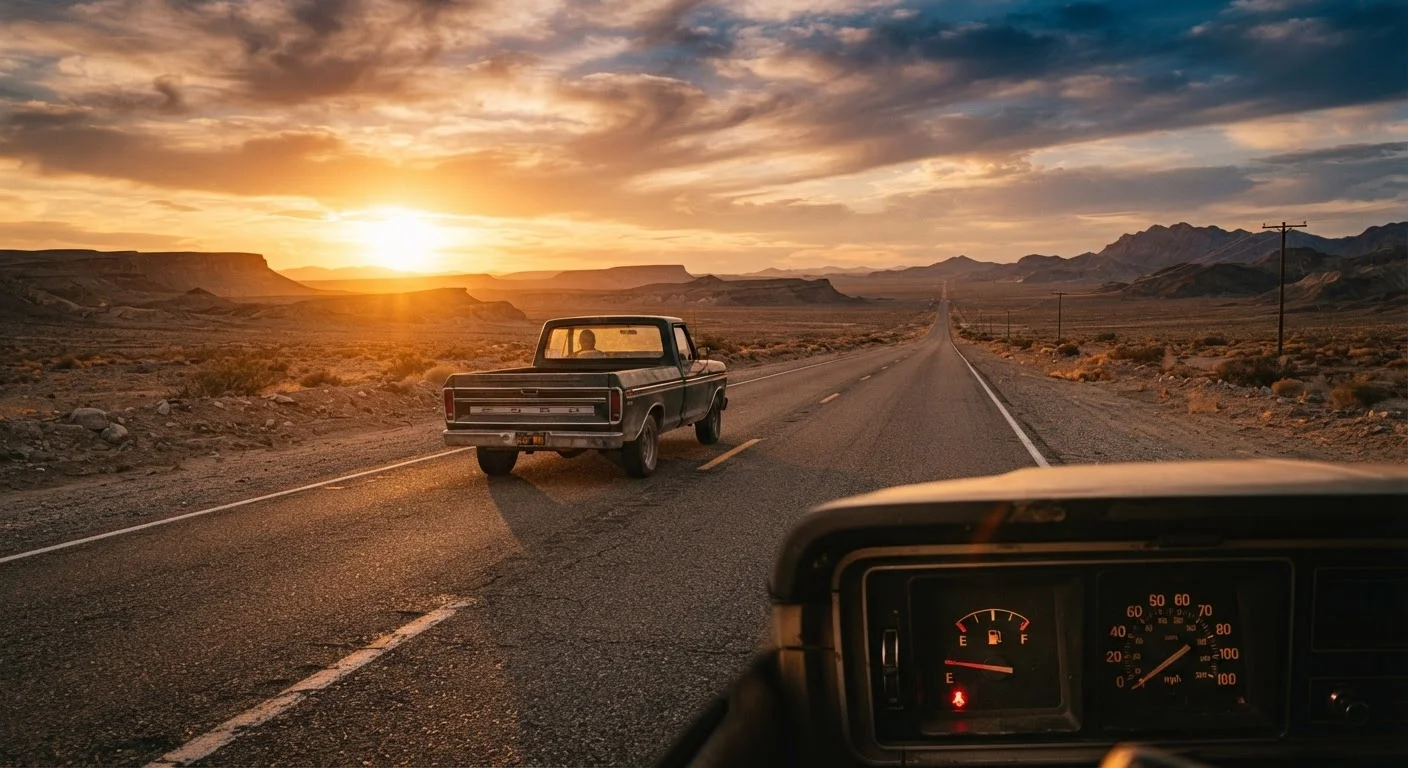
Photo credit: ExploreRoute.net | Travel Made Simple
In this article
Running low in a remote area is avoidable. Explore the most common fuel-planning oversights and the habits that prevent them.
Key Takeaways
- Many road trippers rely on GPS ETAs without accounting for detours, elevation changes, or traffic that affect fuel consumption.
- Rural and remote highways can have gaps of 80–100+ miles between functioning fuel stations.
- Fuel prices and station availability vary significantly by region — checking ahead saves time and money.
- A simple pre-departure fuel audit takes under ten minutes and can prevent a roadside emergency.
- Vehicle load, air conditioning, and driving speed all meaningfully reduce real-world fuel efficiency.
Why Fuel Planning Gets Skipped
Most road trippers spend hours obsessing over lodging, playlists, and itineraries — then assume fuel will sort itself out. It's an understandable blind spot. In everyday life, gas stations are never more than a few miles away, so the habit of topping off on demand gets baked in. Take that same habit onto a remote two-lane highway in Nevada or the Montana high plains, and it becomes genuinely dangerous.
Fuel planning isn't glamorous, but it's one of the highest-leverage habits a road tripper can build. A ten-minute check the night before each driving leg eliminates one of the most avoidable roadside emergencies on the books. The mistakes below aren't rare edge cases — they're patterns that experienced travelers fall into repeatedly, often because confidence in their vehicle or their route leads to complacency.
If you're also thinking through how your daily mileage fits into the bigger picture, see our guide to pacing your trip — over-ambitious daily distances are a key driver of fuel miscalculations.
The Most Common Fuel-Planning Mistakes
Assuming the GPS will route you past a fuel station when you need one.
Why it happens: Most navigation apps optimize for speed or distance, not fuel logistics. Drivers trust the route without separately checking where stations actually fall.
Using highway EPA ratings as a real-world fuel budget.
Why it happens: Manufacturers' mileage estimates are generated under controlled lab conditions. Headwinds, roof racks, a full vehicle, aggressive grades, and air conditioning all reduce real efficiency — sometimes by 20–30%.
Waiting until the low-fuel warning light activates before looking for a station.
Why it happens: In city driving, the warning light typically means 30–50 miles of range — plenty of time. Road trippers carry that same mental habit into remote corridors where the nearest station may be 70 miles away.
Skipping a fill-up because prices look high, expecting better rates ahead.
Why it happens: Fuel price anxiety is real, and it's tempting to gamble on a cheaper station down the road. In practice, this logic fails frequently — especially on rural interstates where the next station may cost more or simply not exist.
Not accounting for unplanned detours and side roads burning extra fuel.
Why it happens: Spontaneity is part of road trip culture, but every scenic loop or underrated-town detour adds miles that weren't in the original fuel budget.
Fuel costs also have a way of quietly unraveling a travel budget when they're not tracked. If your overall spending is drifting off-plan mid-trip, the strategies for managing money mid-trip can help you recalibrate without derailing the experience.
Remote Gaps Are Larger Than You Think
In parts of the American West — including stretches of Nevada, Wyoming, and Montana — fuel stations can be separated by 80 to 150 miles of open road. At highway speeds, that's a significant window of risk if your tank isn't topped off. Always check station spacing before entering any remote corridor, and treat a half-tank as your functional 'empty' in those regions.
Don't Trust Stale App Data in Rural Areas
Crowdsourced fuel apps and maps sometimes list stations that have closed, changed hours, or run out of supply — especially in small towns and seasonal areas. Before entering remote stretches, cross-reference two sources and, where possible, call ahead. Station closures in rural areas are more common than most travelers expect.
Building a Simple Fuel Check Into Every Departure
A reliable fuel routine doesn't require spreadsheets or specialized apps — just three consistent questions before each leg of the trip:
- Where is the first station I can reach if I leave right now? Confirm it's open and stocked, especially in rural areas.
- What's the longest gap between stations on today's route? If it exceeds 60% of your real-world range, plan to top off before entering that stretch.
- Have I accounted for any planned detours? Add 15–20% to your mileage estimate to cover spontaneous side roads.
This three-question check pairs naturally with the broader pre-departure logistics review that catches timing gaps and overlooked details before they become problems on the road. Fuel planning isn't a separate task — it's part of the same preparation mindset that separates a smooth trip from a stressful one.
~100 miles
Average gap between fuel stations in remote Western U.S. corridors
Road trip travel guides and state highway departments consistently note that parts of Nevada, Utah, and Montana have among the longest inter-station distances in the continental U.S.
20–30%
Reduction in fuel efficiency under real road trip conditions
Load, terrain, speed, and climate control can collectively reduce a vehicle's real-world MPG well below EPA-rated estimates, according to U.S. Department of Energy fuel economy guidance.

Author
Road Trip Culture Editorial Team
Road Trip Culture Editorial Team is the collective byline for our editorial team and contributor network. Articles published under this byline or an editorial pen name are researched, written, and reviewed according to our editorial standards for clarity, consistency, and independence before publication.
View all articles →