
Before You Book a Rural Village Stay: A Practical Checklist
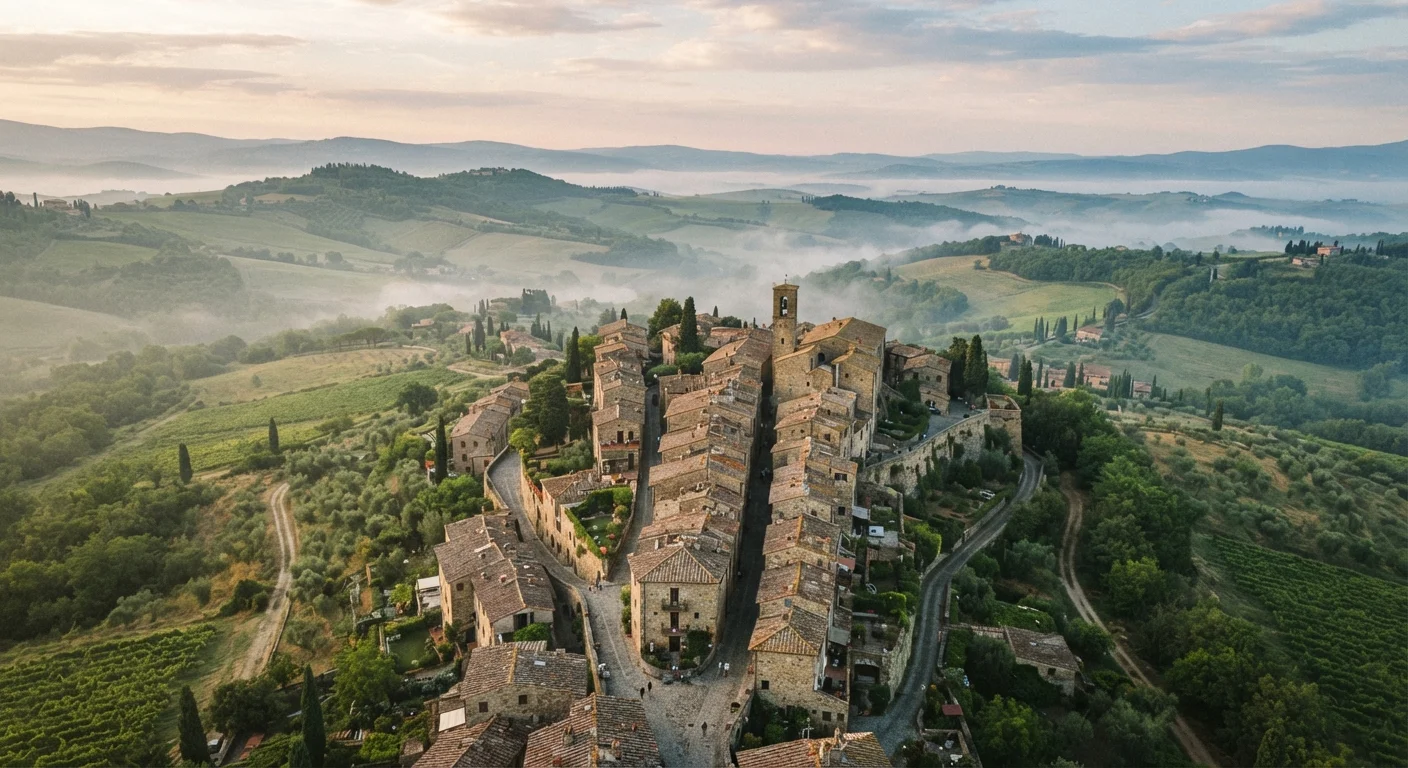
Photo credit: ExploreRoute.net | Travel Made Simple
In this article
Connectivity, transport links, accommodation type, seasonal closures — what to verify before committing to a stay in a genuinely off-the-beaten-path town.
Key Takeaways
- Connectivity, transport, and seasonal closures are the three most common oversights when booking rural village stays.
- Verifying accommodation type and host communication style before booking can prevent significant on-arrival disappointments.
- Local infrastructure — pharmacies, fuel, ATMs — matters more in villages than in cities; confirm availability in advance.
- Entry requirements, road conditions, and emergency services vary widely in remote rural areas and should always be checked officially.
- A rural stay done well offers cultural depth and quiet that no resort can replicate — preparation is what unlocks that experience.
Why Rural Village Stays Demand More Homework Than City Hotels
Booking a room in a genuinely small, off-the-beaten-path village is one of the most rewarding decisions a frequent traveler can make — and one of the easiest to get wrong. Unlike a city hotel, a rural stay strips away the safety net of 24-hour reception desks, on-demand taxis, and the corner pharmacy. The charm is inseparable from the isolation, and that isolation requires honest preparation.
This checklist is built for travelers who have moved past the major tourist circuits and want something authentically local: a converted farmhouse in the Umbrian countryside, a guesthouse in a Oaxacan mountain town, a heritage home in a fading Appalachian village. The questions here aren't hypothetical — they're the ones that separate a transformative stay from a frustrating one.
For a broader look at unconventional lodging in general, the complete guide to unique stays covers the full spectrum from treehouses to cave hotels. And if your rural itinerary includes a scenic drive between villages, the hidden scenic drives hub is worth a look before you finalize your route.
Connectivity and Communication
Transport and Access
Accommodation Type and Host Communication
Local Infrastructure and Services
Seasonal Conditions and Timing
Cultural Respect and Local Customs
Tools and Resources to Use During Your Research
Before working through the checklist below, gather the following. Having them open in parallel tabs will make your verification process significantly faster and more thorough.
Google Maps (Satellite View)
Assess road quality, terrain, and the actual settlement size of the village before committing to a booking.
Your mobile carrier's coverage map
Check network signal at the exact village location, not just the nearest large town.
Official government travel advisory site (e.g., travel.state.gov for US travelers)
Verify entry requirements, health advisories, and current safety conditions for your destination country or region.
Rome2rio or local transit authority websites
Research realistic transport options from major hubs to the village, including bus and train schedules.
Weather history tool (e.g., Weather Underground's wunderground.com history)
Review historical precipitation and temperature data for the village area during your travel dates.
Host messaging platform (wherever you book)
Contact the host directly with specific questions about access, check-in, and on-site facilities before finalizing payment.
Listing Photos Can Mislead on Rural Stays
Accommodation photos in small villages are often taken in ideal light and may not represent the surrounding infrastructure, road condition, or actual room size. Always cross-reference listing images with satellite imagery and ask the host for candid details about the property's limitations — heating performance in winter, insect screens in summer, or proximity to noise sources like farm equipment or church bells.
A Note on Safety, Entry, and What to Verify Officially
Rural villages — particularly those in developing regions or at elevation — can present entry, safety, and health considerations that are easy to underestimate from a city-based planning mindset. Road conditions may be unpublished and seasonal. Emergency medical services may be hours away. Some villages sit in border zones or protected areas with permit requirements.
Always Verify Entry and Safety Requirements Officially
Visa rules, vaccination requirements, travel advisories, and local legal restrictions are not static — they change with governments, seasons, and global events. Do not rely solely on travel blogs, booking platforms, or this checklist for such details. Check your government's official travel advisory portal and the destination country's embassy or consular website before booking and again shortly before departure.
This checklist focuses on practical logistics, but for travelers venturing into remote natural terrain near a village, the checklist for visiting unmarked natural areas adds a valuable additional layer. Similarly, if your village stay is part of a wider trip that includes remote historic landmarks, review the pre-visit checklist for obscure historic sites before you go.
This article provides general travel information for educational purposes only. Entry requirements, road conditions, visa rules, health advisories, and local laws change frequently — always verify current conditions with official government sources and relevant providers before making any travel decisions.

Author
Hidden Destinations Editorial Team
Hidden Destinations Editorial Team is the collective byline for our editorial team and contributor network. Articles published under this byline or an editorial pen name are researched, written, and reviewed according to our editorial standards for clarity, consistency, and independence before publication.
View all articles →