
Adventure Travel Myths That Keep Capable People on the Sidelines
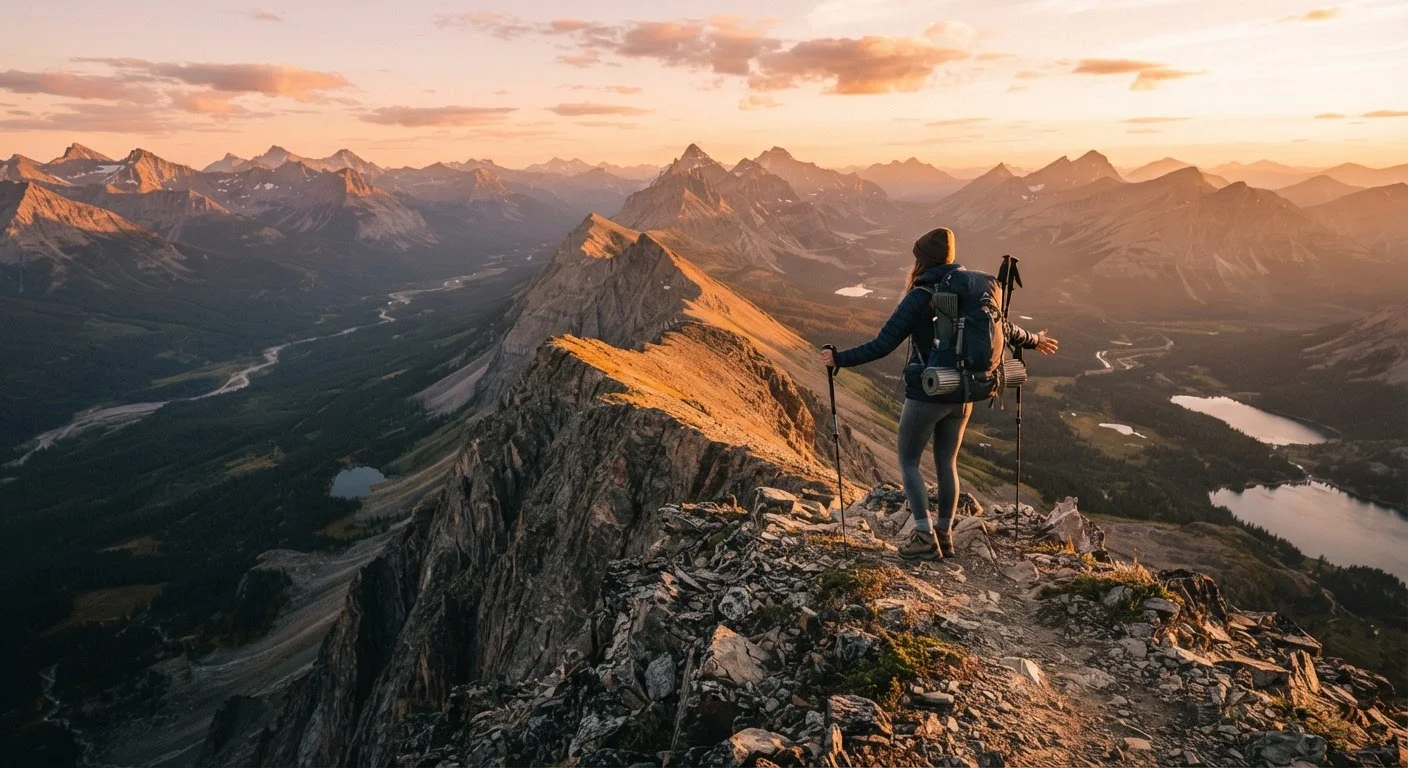
Photo credit: ExploreRoute.net | Travel Made Simple
In this article
Is adventure travel only for the young, the fit, or the fearless? We separate persistent myths from what the experience actually requires.
Key Takeaways
- Adventure travel is not exclusively for young, elite athletes — many experiences accommodate a wide range of fitness levels and ages.
- Solo travelers, including women traveling alone, are well-represented in guided adventure programs worldwide.
- Proper preparation matters far more than innate bravery or prior extreme-sport experience.
- Expedition-style and soft adventure options exist across a broad spectrum — there is no single definition of 'adventure travel.'
- Cost and risk are highly variable; informed planning dramatically reduces both.
Why These Myths Persist — and Who They Sideline
Adventure travel occupies an outsized space in the cultural imagination: the domain of twenty-somethings free-soloing granite walls or ultramarathon runners crossing deserts. That image is compelling, but it is also a distortion — one that quietly talks capable, curious travelers out of experiences well within their reach.
The myths examined here are not harmless. They function as invisible gatekeepers, keeping people away from transformative journeys based on assumptions that rarely hold up to scrutiny. Whether you're a seasoned traveler looking to move beyond guided city tours or someone who has always felt that adventure travel wasn't "for you," the evidence suggests otherwise. For a parallel look at how misconceptions shape travel decisions more broadly, see how planning myths quietly undermine great travel.
Myth
Adventure travel is only for people in peak physical condition.
Fact
Most adventure travel categories — including cultural trekking, wildlife safaris, sea kayaking, and river journeys — are designed for a broad range of fitness levels.
The adventure travel industry encompasses a wide spectrum, from multi-week technical mountaineering expeditions to day hikes in national parks and gentle whitewater rafting. Operators routinely categorize trips by difficulty, and many specifically design programs for travelers with moderate fitness. The key is honest self-assessment and selecting experiences that match your current condition — not an idealized version of it. Building a baseline through regular walking or hiking in the months before departure is sufficient preparation for a significant number of soft-adventure itineraries.
Myth
Adventure travel is too dangerous for most people.
Fact
Statistically, most adventure travel activities carry manageable risks when pursued through reputable operators with proper safety protocols.
Risk is inherent in any travel, including urban tourism. What distinguishes responsible adventure travel is structured risk management: guide certification, equipment standards, pre-trip briefings, and established emergency protocols. Activities like guided trekking, snorkeling, and zip-lining have well-developed safety frameworks. The meaningful question is not whether an activity carries any risk, but whether you have researched your operator's credentials, understood the conditions, and prepared appropriately. Consulting official travel advisories and destination-specific health guidance before departure is always advisable.
Myth
Solo travel — especially for women — is inherently unsafe in adventure destinations.
Fact
Women traveling solo represent a large and growing segment of the adventure travel market, and many operators specifically design programs for solo participants.
Solo adventure travelers, including women, are among the most active participants in guided group programs precisely because those structures provide built-in community and vetted logistics. While destination-specific safety considerations are real and should be researched carefully through current government advisories, the blanket assumption that solo adventure travel is unsafe for women is not supported by the experiences of the many people who do it routinely. Thorough pre-trip research, including understanding local customs and current conditions, is the most effective preparation.
Myth
Adventure travel is prohibitively expensive.
Fact
Costs vary enormously depending on destination, trip length, and activity type — many adventure experiences are comparable in price to standard vacation packages.
A guided multi-day trek in Southeast Asia, a self-supported cycling route in Central Europe, or a camping-based national park itinerary in the American West can all be structured at relatively modest cost. Conversely, heli-skiing in Alaska or a private Galápagos yacht charter represents the high end of the spectrum. The error is treating these two poles as representative of the whole. Budget-conscious adventure travelers who are flexible on timing and destination often find that activity-focused travel is no more expensive — and sometimes less so — than resort-based alternatives.
Myth
You need prior experience with extreme sports to participate.
Fact
The vast majority of organized adventure travel does not require any prior technical skill — operators provide instruction as part of the program.
Categories like wildlife trekking, cultural immersion in remote regions, sea kayaking on calm water, and beginner-level rock climbing are all designed to be entered without specialized backgrounds. Technical disciplines such as alpine climbing or whitewater kayaking do require progressive skill-building, but entry points exist for these as well. Reputable guides assess participant ability at the start of a program and adjust accordingly. What operators consistently say they value in participants is attentiveness to instruction and willingness to communicate about limitations — not prior credentials.
Myth
Adventure travel is only worthwhile when you're young.
Fact
Active travel participation among people over 50 has grown substantially, and many operators now tailor programs specifically to older travelers.
The idea that adventure travel has an age ceiling is one of the most persistent and consequential myths in the category. In practice, travelers in their 50s, 60s, and beyond participate in trekking, cycling, diving, and wildlife safaris in significant numbers. Physiological considerations are real — recovery times may differ, and certain medical conditions warrant consultation with a physician before undertaking strenuous activity — but age alone is not a disqualifier. Programs designed for mature travelers often emphasize depth of experience over physical intensity, which many participants find more rewarding.
What Adventure Travel Actually Requires
Across the myths above, one theme emerges consistently: preparation matters far more than innate attributes. Age, gender, prior experience, and even baseline fitness are all variables that training, good guiding, and honest self-assessment can address.
72%
Adventure travelers who are first-timers
Adventure Travel Trade Association research has consistently found that a majority of adventure travelers are participating in organized adventure travel for the first time.
50+
Fastest-growing age segment in adventure travel
Industry analysts and operators have noted that travelers over 50 represent one of the most active and fastest-growing demographics in guided adventure travel programs.
What genuine adventure travel does require is honest research, respect for the environment and local cultures, appropriate gear, and — where conditions demand it — willingness to turn back. That last quality is often what separates safe adventurers from reckless ones. If you are considering longer, more immersive formats, the honest trade-offs of expedition-style travel are worth understanding before you commit.
Self-Honesty Is a Safety Tool
Overstating your fitness level or experience to an operator — or to yourself — is one of the most common contributors to preventable incidents in adventure travel. Operators ask screening questions for logistical and safety reasons, not to discourage participation. Accurate self-reporting allows guides to match you to appropriate challenges and intervene early if conditions change. When in doubt, choose a slightly less demanding option and build from there.
The adventure travel landscape also rewards curiosity about accommodation. Moving beyond standard hotels into unique and unconventional stays — from mountain huts to tented camps near forgotten historic sites — often deepens the experience considerably. And just as cruise travelers face their own set of stubborn misconceptions, as explored in cruise ship myths that keep travellers from booking, adventure travelers benefit from separating perception from reality before making decisions.
Entry requirements, health conditions, safety advisories, and local regulations vary by destination and change frequently. Always verify current information with official government sources and consult a qualified healthcare professional regarding any health considerations before traveling.

Author
Specialty Travel Editorial Team
Specialty Travel Editorial Team is the collective byline for our editorial team and contributor network. Articles published under this byline or an editorial pen name are researched, written, and reviewed according to our editorial standards for clarity, consistency, and independence before publication.
View all articles →