
The Hidden Layer: Researching a Destination's Cultural Norms and Unwritten Rules
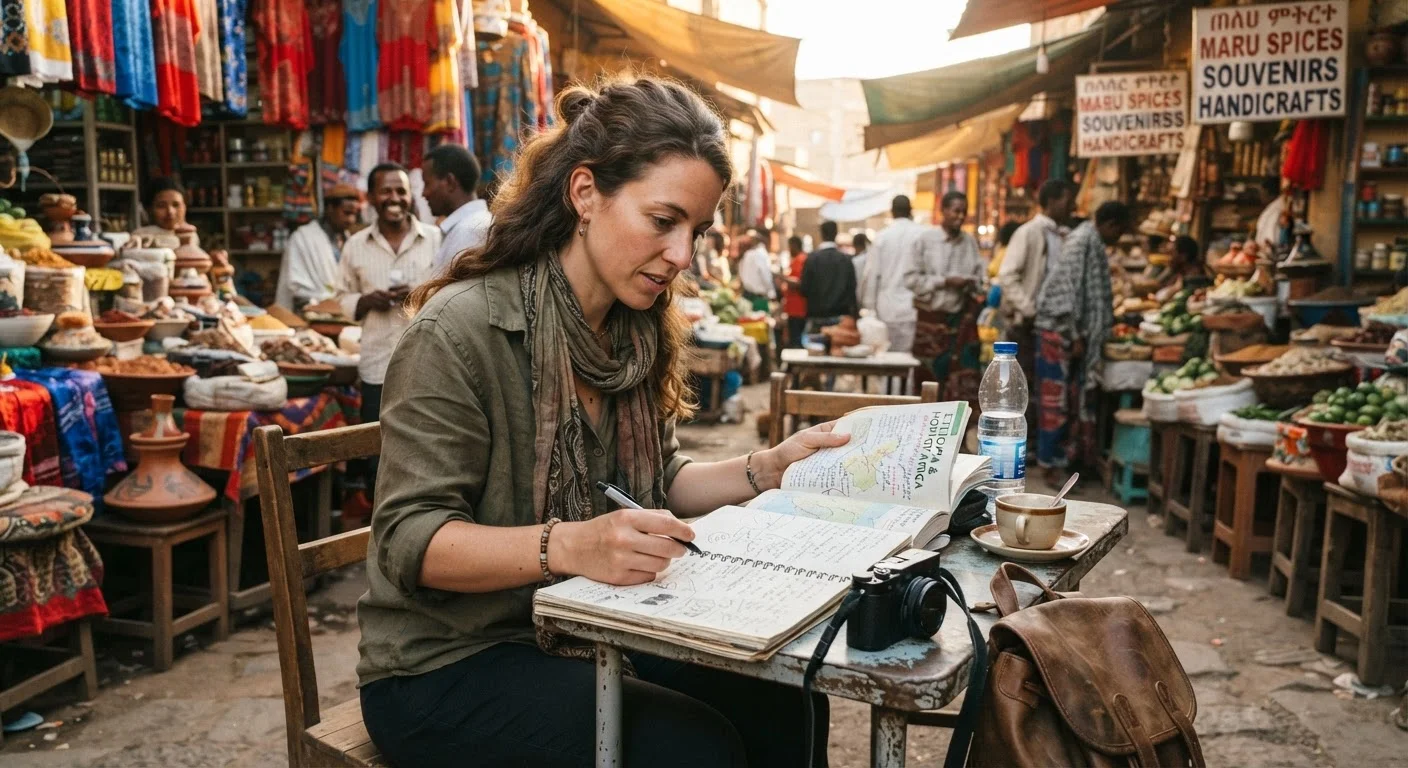
Photo credit: ExploreRoute.net | Travel Made Simple
In this article
Dress codes, tipping customs, photography etiquette, and social expectations — here's how to research them properly before arrival.
Why Cultural Research Goes Beyond the Guidebook
Guidebooks cover the highlights. What they rarely capture are the invisible social contracts that locals live by — when to remove your shoes, whether to tip and how much, which hand to use when accepting food, or how loud is too loud in a public space. Missteps in these areas rarely make trips dangerous, but they can create friction, signal disrespect, or close doors to genuine local connection.
Experienced travelers treat cultural norms as a distinct research category, separate from logistics. This article is a reference framework for doing that research systematically. For a broader approach to destination research from the ground up, see The Complete Guide to Researching Any Trip.
| Primary research goal | Understand unwritten social rules, not just legal requirements |
| Most commonly overlooked categories | Photography etiquette, tipping norms, modesty standards |
| Most reliable source type | Official government/cultural ministry sites and diaspora community resources |
| Recommended research timeline | Begin cultural research at least 3–4 weeks before departure |
| Key verification rule | Always confirm entry, legal, and safety details with official sources before travel |
Key Cultural Categories to Research Before You Arrive
To avoid surface-level research, break cultural norms into discrete categories. Each has its own sources and depth.
Dress and Modesty Standards
Religious sites, rural communities, and formal venues often apply dress expectations that differ sharply from tourist zones. Research whether shoulders and knees must be covered, whether scarves are expected for entry, and whether your footwear matters. Government tourism sites and official religious institution pages are more reliable here than travel forums.
Tipping and Payment Culture
Tipping is obligatory in some countries, offensive in others, and increasingly nuanced in between. Some destinations add service charges automatically; others operate entirely on fixed wages. For region-by-region detail on this topic, Port Currency, Tipping, and Payment Norms Around the World is a useful companion reference.
Photography Etiquette
Rules around photography vary by country and context. Military installations, government buildings, and places of worship frequently prohibit photography — sometimes by law rather than custom. In many cultures, photographing people without explicit permission is considered deeply disrespectful. Search for your destination's specific photography laws alongside any community guidance on photographing individuals.
Social and Behavioral Norms
Public displays of affection, acceptable volume levels, bargaining culture, queue etiquette, and how to greet strangers all vary significantly. These norms are hardest to find in formal sources; this is where community insight becomes critical. See Local Knowledge vs. Tourist Literature for strategies to access on-the-ground community perspectives before you land.
Cultural Norm
An unwritten behavioral expectation shared by a community or society. Cultural norms govern everything from greetings to dining conduct and are rarely codified in law, making them easy to miss in formal research.
Modesty Standard
A dress-related expectation tied to religious, cultural, or social context. Modesty standards often apply at places of worship, in rural communities, or during local celebrations, and may differ from broader national norms.
Tipping Culture
The set of expectations around whether, when, and how much to tip service providers in a given country or region. It varies widely: tipping is customary in some places, uncommon in others, and occasionally considered disrespectful.
Photography Restriction
A legal or social prohibition on photographing certain subjects, buildings, or people. Some restrictions are enforceable by law; others are community expectations that travelers should respect out of courtesy.
Diaspora Community
A population of people living outside their country of origin who maintain cultural and social ties to that place. Diaspora community forums and organizations are often valuable sources of current, nuanced cultural insight.
Social Friction
Discomfort or tension arising from unintentional violations of local customs or expectations. Social friction rarely has legal consequences but can affect how travelers are received by local communities.
Where to Find Reliable Cultural Information
Source quality matters. The following hierarchy reflects reliability, not ease of access.
- Official government and cultural ministry sites — particularly for entry requirements, legal restrictions on dress or behavior, and heritage site rules. Always verify entry and legal requirements through official channels before travel.
- Academic and anthropological resources — university cultural guides and country-specific ethnographic overviews offer depth that travel content rarely matches.
- Diaspora community forums and cultural organizations — people with personal ties to a country often share nuanced, current insight that neither guidebooks nor tourism boards capture.
- Recent traveler reports (dated and specific) — look for posts from the past 12–18 months that describe specific situations rather than general impressions.
If your destination includes a cruise port stop, Researching a Port You've Never Visited offers a practical method for gathering current, reliable norms quickly within tight time windows.
Legal vs. Cultural Expectations: Know the Difference
Some cultural rules — such as dress codes at religious sites or photography bans near government buildings — are enforced by law, not just social expectation. Before travel, check your destination country's official regulations and any advisories issued by your government's foreign affairs or state department. Do not rely solely on travel forums or guidebooks for legal accuracy. Conditions can change, so verify close to your departure date.
Building a Personal Cultural Reference Sheet
Once you've gathered information across the categories above, consolidate it into a one-page reference you can review before each day of travel. Structure it around the situations you'll actually encounter: entering a place of worship, dining in a local restaurant, photographing street scenes, negotiating at a market, or using public transit.
For transit-specific cultural norms — including taxi etiquette and acceptable behavior on public transport — Researching Transportation Within a Destination covers those in detail.
The goal isn't to memorize rules. It's to enter each situation with enough awareness to read the room and adapt. That readiness is what separates travelers who feel welcomed from those who inadvertently signal that they haven't tried to understand where they are.
4 categories
Core cultural research areas to cover before any trip
Dress standards, tipping culture, photography rules, and social/behavioral norms each require distinct sources and research approaches.
12–18 months
Ideal age window for traveler reports used as cultural reference
Cultural practices and local attitudes can shift; reports older than 18 months may reflect conditions that no longer apply.

Author
Travel Planning Editorial Team
Travel Planning Editorial Team is the collective byline for our editorial team and contributor network. Articles published under this byline or an editorial pen name are researched, written, and reviewed according to our editorial standards for clarity, consistency, and independence before publication.
View all articles →