
Underestimating Acclimatization: The Mistake That Ends High-Altitude Adventures Early
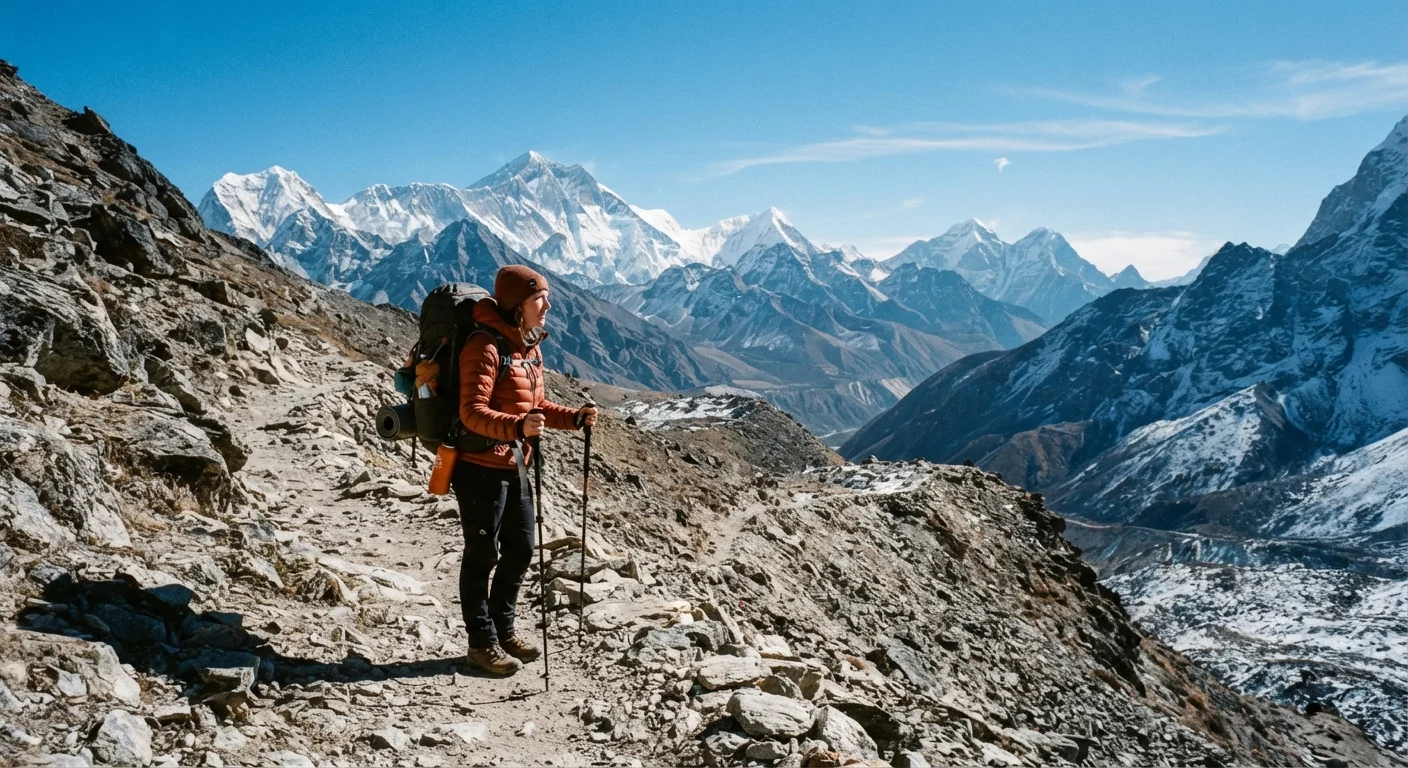
Photo credit: ExploreRoute.net | Travel Made Simple
In this article
Altitude sickness sidelines more trekkers than bad weather. Learn why acclimatization is misunderstood and how to approach elevation gain safely.
Key Takeaways
- Acute Mountain Sickness (AMS) can affect anyone regardless of fitness level or prior high-altitude experience.
- Ascending too quickly is the single most preventable cause of altitude-related illness on treks.
- The standard guideline above 8,000 feet is to gain no more than 1,000 feet of sleeping elevation per day.
- Symptoms such as headache, nausea, and fatigue are signals to stop ascending — not push through.
- Proper acclimatization planning protects both your health and the investment you've made in your journey.
Why Altitude Catches Even Experienced Trekkers Off Guard
High-altitude destinations — the Andes, the Himalayas, the Ethiopian Highlands, the Colorado Rockies — draw travelers precisely because of their scale and challenge. Yet the same elevation that makes these places extraordinary also introduces a physiological reality that no amount of cardio training can override: at altitude, the air contains less oxygen per breath, and your body must work harder to compensate.
Acute Mountain Sickness (AMS) is the most common altitude-related condition, typically appearing above 8,000 feet (roughly 2,400 meters). Symptoms range from headache and fatigue to nausea, dizziness, and disrupted sleep. More severe — and less common — complications include High-Altitude Pulmonary Edema (HAPE) and High-Altitude Cerebral Edema (HACE), both of which are medical emergencies requiring immediate descent and professional care.
What surprises many travelers is that fitness level provides limited protection. AMS does not discriminate based on age, strength, or trail experience. Someone who summited peaks at lower elevations may be just as susceptible at 14,000 feet as a first-time trekker. Understanding this reality is the first step toward a successful high-altitude journey. For a useful comparison of the physical demands across different mountain pursuits, see our breakdown of alpine climbing vs. high-altitude trekking.
Severe Symptoms Require Immediate Descent
High-Altitude Pulmonary Edema (HAPE) and High-Altitude Cerebral Edema (HACE) are life-threatening conditions that can develop rapidly. Symptoms include extreme breathlessness at rest, severe confusion, loss of coordination, or persistent cough with pink frothy sputum. If any of these appear, descend immediately and seek emergency medical care — do not wait to see if symptoms improve at the same elevation.
The Most Common Acclimatization Mistakes — And How to Avoid Them
Most altitude-related trip endings trace back to a predictable set of planning and behavioral errors. Recognizing them before you travel is far more effective than diagnosing them mid-trek.
Ascending too quickly without scheduled rest days.
Why it happens: Trekkers often build itineraries around a summit date rather than a physiological timeline, especially when vacation days are limited.
Ignoring early symptoms and continuing to ascend.
Why it happens: Mild headache or fatigue can feel indistinguishable from normal exertion, and many trekkers downplay symptoms out of determination or group pressure.
Relying on medication as a substitute for proper acclimatization.
Why it happens: Medications sometimes used to aid acclimatization (such as acetazolamide) are often discussed in trekking communities as a workaround for a compressed schedule.
Dehydrating during the ascent.
Why it happens: Cold, dry mountain air accelerates fluid loss through respiration, and trekkers often underestimate how much more they need to drink at altitude.
Skipping pre-trip research about the specific elevation profile of the route.
Why it happens: Many travelers focus on gear lists and logistics while overlooking the day-by-day elevation chart, particularly on commercially guided treks where itinerary details feel fixed.
~75%
Trekkers affected by AMS above 14,000 ft
Research cited in wilderness medicine literature suggests roughly three-quarters of trekkers experience some AMS symptoms above 14,000 feet (4,270 meters) without adequate acclimatization.
1,000 ft
Recommended max daily sleeping elevation gain
The Wilderness Medical Society guideline for safe elevation gain above 8,000 feet is no more than 1,000 feet of sleeping altitude per day, with rest days built in.
Acclimatization also affects where and how you sleep — a detail that deserves deliberate attention during the planning phase. Your choice of accommodation at elevation can meaningfully influence how well your body adjusts each night. And because over-ambitious itineraries are one of the root causes of rushed ascent, it's worth reviewing how most itineraries try to do too much before finalizing your daily schedule.
Alcohol and Sedatives Worsen Altitude Adjustment
Both alcohol and sedative sleep aids suppress respiratory drive, which is already under stress at high elevations. Many trekkers assume a drink will help with altitude-disrupted sleep — in practice, it tends to make overnight oxygen levels worse. Avoid both for at least the first several nights at altitude, and consult your physician before using any sleep support at elevation.
This article provides general travel and educational information only. It is not medical advice. Always consult a qualified healthcare professional before traveling to high altitudes, particularly if you have any underlying health conditions. For symptoms of severe altitude illness, seek emergency medical assistance and descend immediately.

Author
Specialty Travel Editorial Team
Specialty Travel Editorial Team is the collective byline for our editorial team and contributor network. Articles published under this byline or an editorial pen name are researched, written, and reviewed according to our editorial standards for clarity, consistency, and independence before publication.
View all articles →