
High-Altitude Stays: Acclimatization and What It Means for Your Accommodation Choice
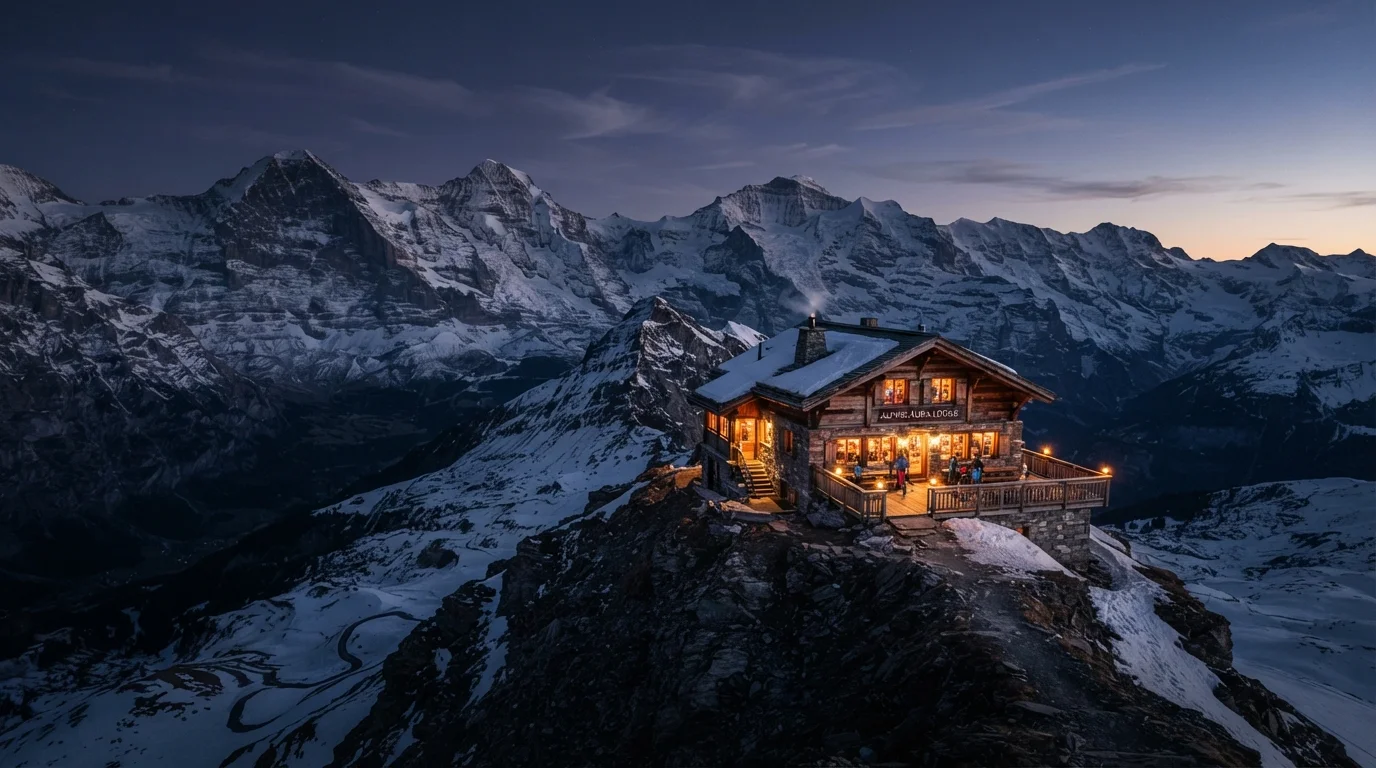
Photo credit: ExploreRoute.net | Travel Made Simple
In this article
Staying at elevation isn't just a scenery decision — it affects sleep, health, and logistics. Here's what altitude means for lodging.
Key Takeaways
- Sleeping altitude matters more than daytime altitude for acclimatization — where you rest determines how your body adapts.
- Ascending too quickly to a high-altitude lodge without gradual staging is a leading cause of altitude sickness among travelers.
- Lodging infrastructure at elevation often differs significantly from sea-level accommodations in heating, humidity, and medical support.
- Valley-based hotels can serve as intentional acclimatization bases for guests exploring higher terrain during the day.
- Travelers with cardiovascular or respiratory conditions should consult a physician before booking stays above 8,000 feet.
Why Elevation Changes Everything About Where You Sleep
Booking a high-altitude stay is fundamentally different from choosing a hotel at sea level. The scenery may be the draw, but your accommodation choice also shapes your physiology. At elevations above 8,000 feet — places like Cusco, Peru; Leh, India; or mountain retreats in the Colorado Rockies — your body is working harder just to function, and where you sleep each night is the single most consequential acclimatization variable.
The climbing medicine principle most often cited is climb high, sleep low: ascend during the day for exploration, but return to a lower elevation to rest. This approach lets your body experience higher altitudes without the cumulative stress of overnight oxygen deprivation at elevation. It's a principle with direct implications for which accommodation you choose and where it sits in the valley-to-peak gradient.
Acclimatization Applies to Urban Destinations Too
High altitude isn't exclusive to trekking lodges and ski resorts. Major cities including Bogotá, Quito, Addis Ababa, and La Paz all sit at elevations where acclimatization is a genuine consideration. Business travelers and cultural tourists arriving in these cities from sea level should plan for a slower first day and prioritize hydration, regardless of how conventional their hotel appears.
Travelers planning itineraries that include both high-altitude and lower-elevation segments should also consider how extreme environmental swings affect their stays — the desert stays guide explores similar adaptation challenges in arid, high-heat environments.
How Altitude Affects Lodging Infrastructure
Beyond your body's response, high-altitude lodges often operate under physical and logistical constraints that sea-level hotels don't face. Heating costs are higher and less reliable; water often requires filtration or boiling due to sourcing from glacial streams or inconsistent municipal infrastructure. Construction materials and building techniques differ, and many lodges at extreme elevation are built for durability and insulation rather than comfort or amenity breadth.
Humidity levels at altitude are typically very low, which affects everything from skin hydration to how quickly alcohol dehydrates you. Some lodges provide humidifiers or stock electrolyte supplements as standard practice — a detail worth looking for when reviewing amenities. Medical preparedness also varies dramatically. Properties in well-traveled trekking corridors, such as those along the Annapurna Circuit or in the Peruvian Sacred Valley, may carry pulse oximeters and supplemental oxygen as a matter of course. More remote lodges frequently do not.
Ask Your Lodge About On-Site Medical Resources
Before finalizing a high-altitude booking, contact the property directly and ask whether they carry supplemental oxygen, pulse oximeters, or have protocols for guests experiencing altitude sickness. This is especially important above 10,000 feet and in remote areas far from hospital care. A lodge's willingness to answer clearly is itself a useful signal of its operational standards.
Staging Your Ascent Through Strategic Accommodation Choices
For travelers heading to significant elevation — anything above 10,000 feet — the sequence of accommodations matters as much as the final destination lodge. Spending one or two nights at an intermediate altitude before committing to a high stay is one of the most effective ways to reduce the risk of acute mountain sickness.
This means your itinerary might include a night in a mid-altitude town hotel, followed by a lodge slightly higher, before reaching your target elevation. It's a strategy that requires intentional booking rather than convenience-based choices. Skipping intermediate stops — especially when flying directly into high-altitude cities — is one of the most common errors travelers make. The risks of underestimating acclimatization are well documented among trekkers and adventurers.
For travelers weighing a ridge-top lodge against a valley base, the mountain lodge vs. valley hotel comparison outlines exactly how to evaluate those trade-offs based on trip type and physical readiness.
25%
Travelers affected by AMS at 8,000+ feet
Wilderness Medical Society guidelines estimate roughly 25% of visitors to elevations above 8,000 feet experience some degree of acute mountain sickness, with rates rising steeply above 10,000 feet.
48–72 hrs
Typical initial acclimatization window
Most physiologists cite 48 to 72 hours as the minimum time needed for meaningful initial adaptation at a new elevation before ascending further.
~9,350 ft
Elevation of Quito, Ecuador
Quito is one of the world's highest capital cities and a common entry point for Andean travel, illustrating how altitude affects even standard urban hotel stays.
Matching Accommodation Type to Your Altitude Goals
Not every high-altitude stay is a rugged trekking lodge. Cities like Bogotá (8,600 ft), Quito (9,350 ft), and Addis Ababa (7,700 ft) are major urban centers where full-service hotels sit at genuine altitude. The acclimatization challenge applies equally here — arriving for a business trip or cultural visit doesn't exempt you from the physiology.
For wellness-oriented travelers, the interplay between elevation and recovery is a growing area of interest. High-altitude environments affect cardiovascular response, sleep architecture, and even cognitive performance. The comparison of mountain and coastal environments for recovery offers useful framing for travelers choosing a setting with health goals in mind.
Adventure travelers planning high-altitude trekking or climbing should treat accommodation sequencing as part of their safety planning — not an afterthought. The distinction between alpine climbing and high-altitude trekking has direct implications for how aggressively you can stage your ascent. For those drawn to unconventional lodging in extreme settings, the unique stays hub surfaces options that balance adventure with considered hospitality.
This article provides general travel and informational guidance only. Travelers with existing medical conditions — particularly cardiovascular or respiratory — should consult a qualified healthcare provider before booking high-altitude stays. Altitude sickness can be serious; always verify current safety guidance and emergency resources with official sources before travel.
Frequently Asked Questions

Author
Where to Stay Editorial Team
Where to Stay Editorial Team is the collective byline for our editorial team and contributor network. Articles published under this byline or an editorial pen name are researched, written, and reviewed according to our editorial standards for clarity, consistency, and independence before publication.
View all articles →