
Planning a Food-Focused Trip: From Destination Research to Table Reservations
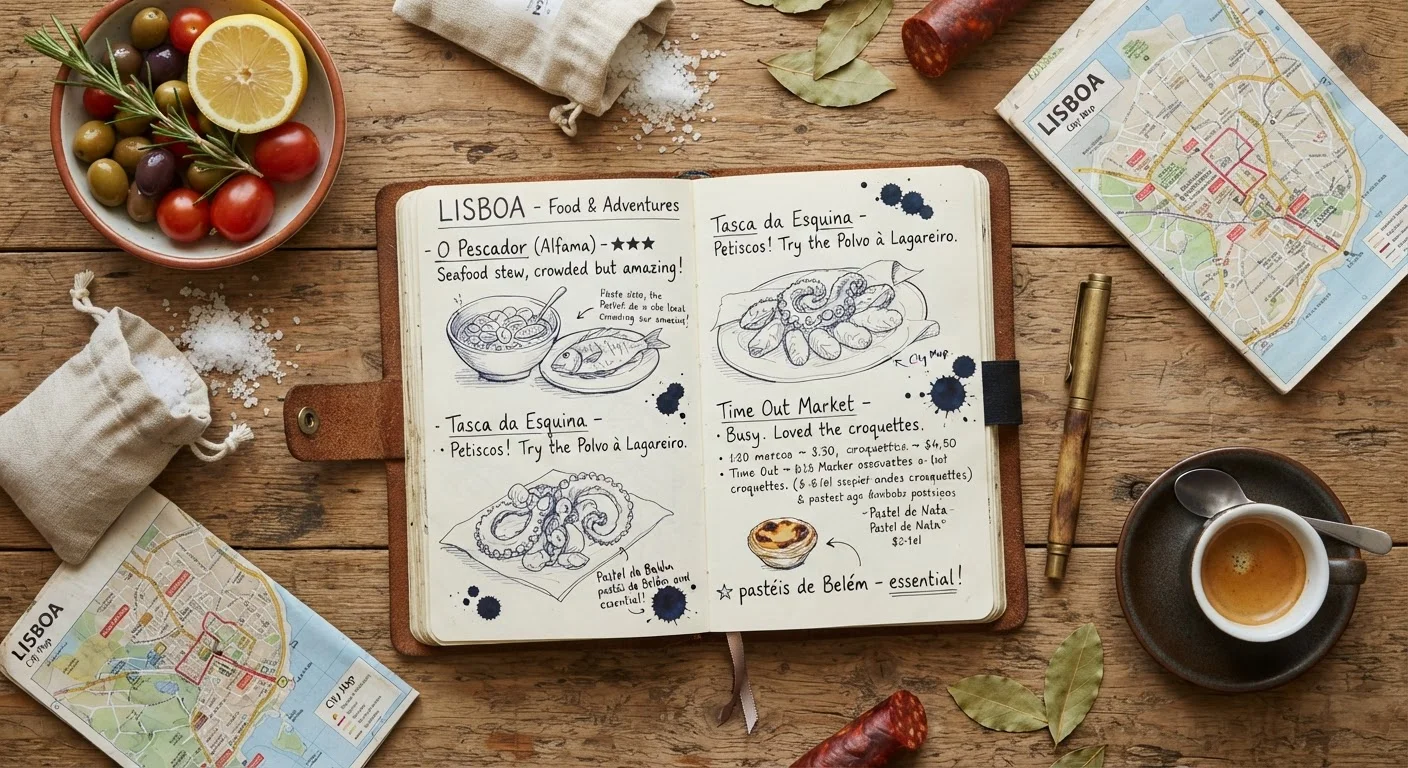
Photo credit: ExploreRoute.net | Travel Made Simple
In this article
A practical walkthrough for building an itinerary around culinary experiences, from pre-trip research to navigating menus in the field.
Key Takeaways
- Culinary research should begin weeks before departure, not after you land.
- Layering market visits, cooking classes, and restaurant meals creates a more complete food picture.
- Reservation timing and local meal schedules vary dramatically by culture and region.
- Dietary vocabulary in the local language is a practical necessity, not an optional courtesy.
- Leaving room for spontaneous eating is as important as pre-booking anchor meals.
Why Culinary Travel Demands a Different Planning Approach
Mainstream travel planning centers on sights and logistics: which museums, which hotels, how to get between cities. Food-focused travel requires those foundations too, but adds a parallel layer of research that most general travel guides don't address — one rooted in agriculture, history, meal culture, and seasonal rhythms. A destination's food identity is rarely captured in a top-ten list. It lives in the timing of market days, in the pride a family takes in a regional preparation technique, in which neighborhoods still cook the way they did a generation ago.
For the frequent traveler who has already covered the canonical destinations, culinary immersion offers a genuinely different kind of engagement with place. It demands curiosity that extends past the plate, into supply chains, producer relationships, and the cultural anxieties that food sometimes carries. Done well, it's among the most socially textured forms of travel available. Done carelessly, it can reduce living food traditions to a consumer checklist.
This guide is designed for travelers who already know how to get somewhere and want a structured method for ensuring the food dimension of a trip is as carefully considered as any other. See the complete guide to researching any trip for the full logistics layer that runs alongside this culinary framework.
Use Local Food Writers as Your First Research Source
International food media often lags behind what's actually happening in a city's eating scene. Seek out locally produced food journalism, neighborhood blogs written in the destination's language, and social accounts run by local chefs or market vendors. A translation tool and a little patience will surface leads that no listicle will.
Destination-specific food writing and local journalism
Surfaces neighborhood-level restaurant and market intelligence that international travel media typically misses.
Pocket phrasebook or translation app with offline capability
Allows you to read menus, ask about ingredients, and communicate dietary needs without reliable internet access.
Restaurant reservation platform relevant to the destination
Secures tables at high-demand restaurants, which in many cities require booking weeks or months in advance.
Offline mapping app with saved food-related pins
Keeps your curated list of markets, bakeries, and restaurants accessible without data roaming.
Small notebook or dedicated notes app
Records names of dishes, producers, and unexpected finds for follow-up research and future reference.
Step-by-Step: From Research to Reservation
The steps below move sequentially from intention-setting through pre-departure preparation. Each builds on the last, though experienced culinary travelers will find points to enter the process wherever their planning currently stands.
What you will need
Define what culinary immersion means for this trip
Before opening a single browser tab, decide what kind of food experience you're actually chasing. Are you after Michelin-recognized technique, grandmother-style home cooking, street food culture, a specific regional ingredient, or hands-on learning through a cooking class? The answer shapes every subsequent decision. A trip organized around market culture in Oaxaca looks almost nothing like one built around kaiseki restaurants in Kyoto, even though both are unambiguously food-focused. Write down two or three non-negotiable culinary priorities. Everything else becomes flexible.
Build a layered research foundation
Effective culinary research operates at multiple scales simultaneously: regional food identity, city-level dining culture, and neighborhood specifics. Start broad — understand what makes the destination's cuisine distinctive and why — then narrow. Seek out local food writers, culinary historians, and producers rather than relying solely on international travel rankings. Cross-reference what you find across sources, noting where recommendations converge and where they diverge.
Run through a dedicated pre-trip food research checklist to make sure you've covered regional specialties, meal timing customs, and the practical dietary vocabulary you'll need on the ground.
Map experiences across three tiers
Organize your planned food experiences into three tiers: anchor meals (special-occasion restaurants requiring advance reservation), structured experiences (cooking classes, guided market tours, farm visits), and everyday eating (bakeries, street stalls, neighborhood spots discovered on foot). A balanced trip typically runs one anchor meal every two to three days, one structured experience mid-trip, and entirely spontaneous everyday eating filling the rest. Resist the urge to anchor every meal — the unplanned bowl eaten standing at a market counter is often what you remember longest.
If you're weighing organized tours against self-directed exploration, compare both approaches to find the balance that suits your travel style.
Secure anchor reservations well in advance
High-demand restaurants in cities like Tokyo, Copenhagen, or Mexico City can require reservations months ahead, not weeks. Identify your two or three must-eat restaurants early and attempt booking as soon as reservation windows open — these vary by restaurant and are typically announced on their own websites or through destination-specific platforms. For restaurants that don't take online reservations, a short, respectful email in the local language (translated carefully, not machine-defaulted) often yields better results than an English-only inquiry. Confirm reservations closer to your arrival date.
Prepare your dietary and language toolkit
Learning key food-related vocabulary in the local language is a practical necessity, not a performative gesture. Know how to ask about allergens, communicate intolerances, and identify ingredient names for anything you must avoid. A printed or offline-accessible dietary card in the local language — reviewed by a native speaker if possible — is more reliable than real-time translation in a busy kitchen environment. Beyond dietary needs, learning the names of dishes you're actively seeking helps you navigate menus and market stalls with confidence rather than guesswork.
Build flexibility into the daily structure
A food-focused itinerary needs breathing room. Meals take longer than expected. Markets reward wandering. A chance conversation with a vendor leads somewhere a spreadsheet never could. Structure your days around one or two fixed food commitments and leave the rest open. For broader itinerary architecture, this walkthrough on building itineraries from scratch covers pacing and realistic time-blocking that applies equally to food-led trips.
Finally, keep ethical awareness in mind as you eat. Culinary tourism can create real economic pressures on the communities it celebrates — supporting locally owned businesses, buying directly from producers, and being honest about what you're seeking all matter.
Don't Over-Schedule Your Eating Days
Back-to-back tasting menus and market tours sound appealing in planning, but palate fatigue and digestive overload are real. Build in at least one low-key meal per day — a simple bowl of noodles or bread from a bakery — so you stay curious and receptive rather than exhausted.
Verify Entry, Health, and Safety Conditions First
Visa requirements, vaccination recommendations, and food-safety advisories vary by destination and can change without notice. Always consult official government travel portals and your healthcare provider before finalizing any food-focused itinerary. No editorial resource — including this one — substitutes for current official guidance.
If hands-on learning is among your priorities, explore what to look for — and what to avoid — when choosing structured experiences. Cooking classes abroad vary enormously in quality and authenticity, and knowing how to evaluate them before you book saves both money and disappointment.

Author
Specialty Travel Editorial Team
Specialty Travel Editorial Team is the collective byline for our editorial team and contributor network. Articles published under this byline or an editorial pen name are researched, written, and reviewed according to our editorial standards for clarity, consistency, and independence before publication.
View all articles →