
Cooking Classes Abroad: What to Expect and How to Choose Wisely
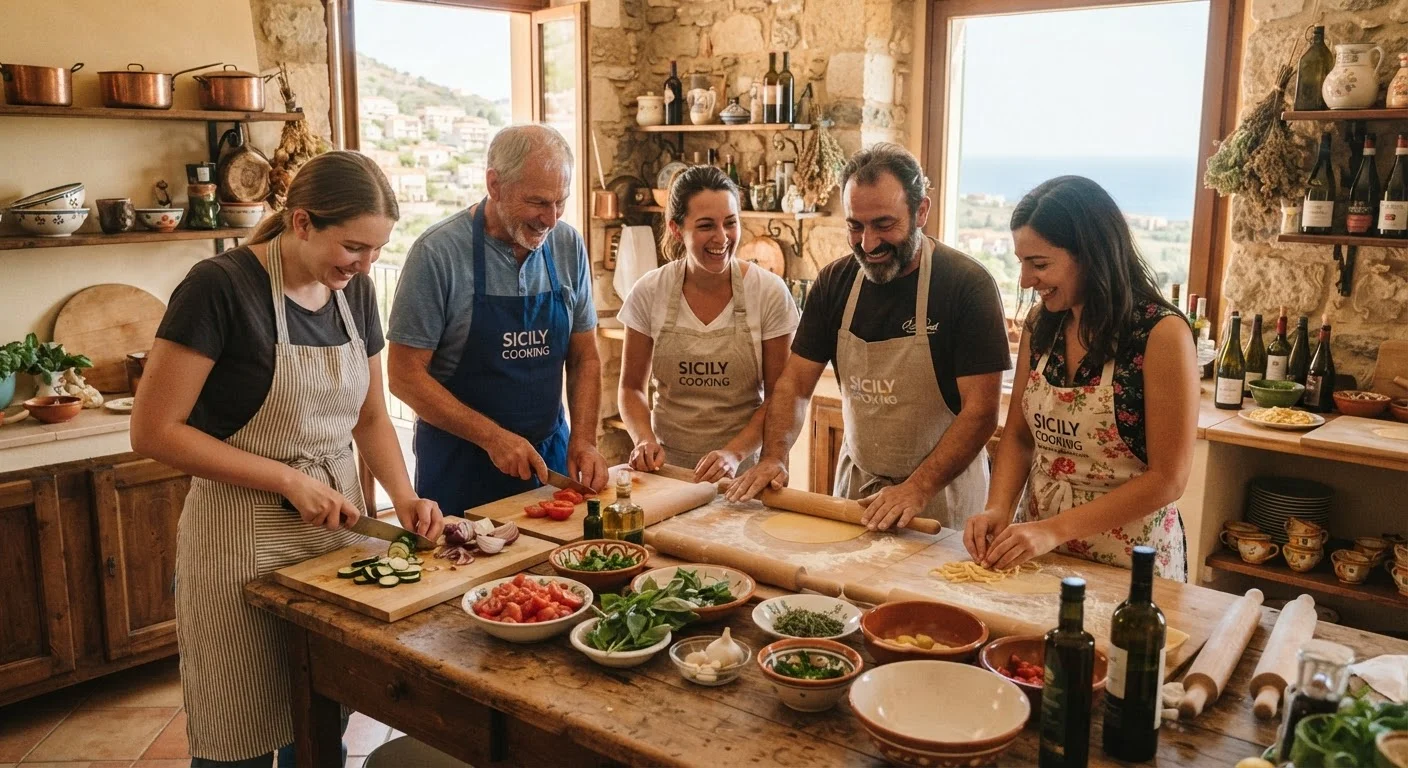
Photo credit: ExploreRoute.net | Travel Made Simple
In this article
Hands-on cooking classes can be transformative — or disappointing. Here's what separates a genuine learning experience from a tourist showcase.
Key Takeaways
- Not all cooking classes abroad deliver genuine cultural learning — quality and depth vary widely.
- Market visits, ingredient sourcing, and recipe context are hallmarks of immersive classes.
- Class size, instructor background, and hands-on time are critical factors when choosing.
- Language barriers and skill-level mismatches can limit the experience if not researched in advance.
- The best classes connect food to history, technique, and place — not just a finished dish.
Deep cultural context beyond restaurant dining
A skilled instructor connects each dish to regional history, seasonal availability, and local identity — context that a menu description rarely provides.
Hands-on technique you can take home
Unlike a food tour, a cooking class transfers replicable skills. Many travelers report returning home and cooking dishes learned abroad for years afterward.
Direct access to local knowledge and sourcing
Classes that include market visits expose travelers to ingredients, vendors, and produce hierarchies that are invisible to most tourists.
Structured immersion for less confident travelers
For those intimidated by solo food exploration, a class provides a guided framework that still delivers genuine cultural exchange.
Meaningful social interaction with locals
Well-run classes create real conversation — about food, family, and place — in a way that few other tourist experiences can match.
Many classes are tourist-facing, not culturally authentic
High-volume classes in popular destinations are often designed to be photogenic and crowd-pleasing rather than genuinely instructional or rooted in local cooking traditions.
Limited hands-on time in demonstration-heavy formats
Some classes marketed as participatory are largely observational, leaving travelers with little more than a tasting and a laminated recipe.
Skill level mismatches reduce learning outcomes
Classes that don't differentiate by experience level often default to the simplest techniques, frustrating more capable cooks and overwhelming total beginners.
Language barriers can dilute instructional depth
Even with translation, the subtlety of sensory-based cooking instruction — texture, smell, timing — is difficult to fully convey across languages.
Cost can be high relative to experience quality
Premium pricing doesn't reliably correlate with authenticity or instructional depth; some of the most meaningful classes are offered through community organizations at modest cost.
Why Cooking Classes Have Become a Culinary Travel Staple
Participating in a cooking class while traveling sits at the intersection of culture, craft, and connection. Unlike a restaurant meal — however extraordinary — a hands-on class invites you into the logic of a cuisine: why certain spices dominate, how a broth achieves its depth, what a dish reveals about local agriculture and history.
As culinary travel has evolved, so has the market for cooking experiences. From Thai home kitchens in Chiang Mai to pasta-making sessions in Bologna, travelers now have more options than ever. That abundance, however, makes selection harder — not easier.
Deep cultural context beyond restaurant dining
A skilled instructor connects each dish to regional history, seasonal availability, and local identity — context that a menu description rarely provides.
Hands-on technique you can take home
Unlike a food tour, a cooking class transfers replicable skills. Many travelers report returning home and cooking dishes learned abroad for years afterward.
Direct access to local knowledge and sourcing
Classes that include market visits expose travelers to ingredients, vendors, and produce hierarchies that are invisible to most tourists.
Structured immersion for less confident travelers
For those intimidated by solo food exploration, a class provides a guided framework that still delivers genuine cultural exchange.
Meaningful social interaction with locals
Well-run classes create real conversation — about food, family, and place — in a way that few other tourist experiences can match.
The Real Drawbacks Worth Knowing Before You Book
The cooking class market has expanded rapidly to meet tourist demand, and not all offerings prioritize authenticity or genuine instruction. Many popular-destination classes are designed for throughput — large groups cycling in and out with a glossy finished plate and very little real learning.
Many classes are tourist-facing, not culturally authentic
High-volume classes in popular destinations are often designed to be photogenic and crowd-pleasing rather than genuinely instructional or rooted in local cooking traditions.
Limited hands-on time in demonstration-heavy formats
Some classes marketed as participatory are largely observational, leaving travelers with little more than a tasting and a laminated recipe.
Skill level mismatches reduce learning outcomes
Classes that don't differentiate by experience level often default to the simplest techniques, frustrating more capable cooks and overwhelming total beginners.
Language barriers can dilute instructional depth
Even with translation, the subtlety of sensory-based cooking instruction — texture, smell, timing — is difficult to fully convey across languages.
Cost can be high relative to experience quality
Premium pricing doesn't reliably correlate with authenticity or instructional depth; some of the most meaningful classes are offered through community organizations at modest cost.
Language gaps can also limit depth. Even with translation, nuanced culinary instruction — the feel of properly worked dough, the smell that signals a roux is ready — loses something when mediated. If a class relies heavily on a script rather than responsive teaching, you may leave with a recipe card but not much else. For a broader comparison of structured versus self-led food experiences, see guided food tours vs. self-directed eating.
How to Identify a Class Worth Your Time
The most reliable indicators of a quality class are the ones that go unmarketed. Look for classes that include a market visit or ingredient sourcing component — this signals that the instructor values context, not just technique. Ask directly: How many students attend? Is cooking hands-on throughout, or are portions of it demonstration-only? Does the instructor have roots in the regional cuisine they're teaching?
Ask Before You Book
Before committing to a class, contact the organizer directly with specific questions: What is the maximum group size? How much of the session is hands-on versus demonstration? Is the instructor a native practitioner of this cuisine? Clear, specific answers signal a class that takes its educational mission seriously. Vague or sales-oriented responses are a red flag worth heeding.
Skill level is another underrated consideration. A class pitched as suitable for all levels often defaults to the lowest common denominator. If you have real kitchen experience, seek out classes that specify intermediate or advanced technique — fermentation workshops, butchery sessions, or regional pastry traditions that demand actual skill.
Building your itinerary around culinary experiences works best when the class is treated as an anchor rather than an afterthought — book early, research the instructor, and read detailed reviews from past participants rather than aggregate star ratings.
Alternatives and Complements Worth Considering
A formal cooking class isn't the only path to culinary immersion. Dining in a local home offers a different kind of intimacy — less instructional, more relational. For travelers newer to food-led travel, building a first food-focused journey with a mix of classes, market visits, and unstructured eating often yields a richer overall picture than any single experience.
72%
Travelers prioritizing food as a trip motivator
According to the World Food Travel Association's Food Travel Monitor, a substantial majority of travelers consider food a significant or primary motivation for destination choice.
Top 3
Cooking classes among culinary travel activities
Hands-on cooking classes consistently rank among the most sought-after culinary travel experiences globally, alongside market visits and food tours, per industry research on experiential travel.
The most meaningful cooking experiences abroad tend to happen when travelers approach them with genuine curiosity rather than a bucket-list mindset. Bring questions. Engage with the instructor's story. Understand that the goal isn't a perfect dish — it's a more fluent understanding of how a place feeds itself.

Author
Specialty Travel Editorial Team
Specialty Travel Editorial Team is the collective byline for our editorial team and contributor network. Articles published under this byline or an editorial pen name are researched, written, and reviewed according to our editorial standards for clarity, consistency, and independence before publication.
View all articles →