
The Complete Picture on Wellness Travel: From Weekend Escapes to Multi-Week Immersions
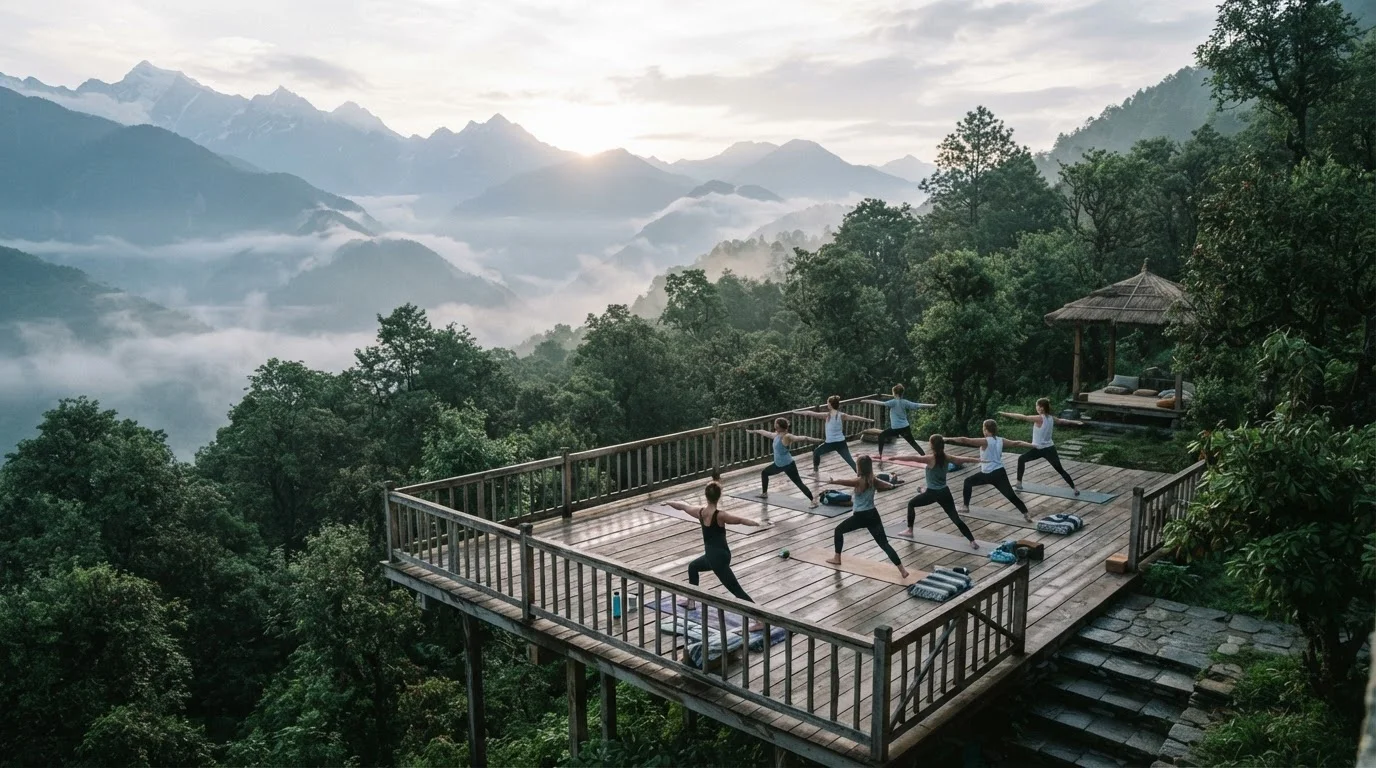
Photo credit: ExploreRoute.net | Travel Made Simple
In this article
An end-to-end resource covering wellness travel formats, destination types, what to expect, how to prepare, and how to evaluate whether an experience is right for you.
Key Takeaways
- Wellness travel exists on a wide spectrum — from restorative weekend getaways to structured multi-week programs.
- Format and duration should match your current goals, not an idealized version of what wellness looks like.
- Destination type — spa resort, nature retreat, or immersive program — shapes the experience more than geography alone.
- Evaluating a retreat's credentials and philosophy before booking prevents costly mismatches.
- Preparation and realistic expectations are as important as the program itself.
What Wellness Travel Actually Means
Wellness travel is often reduced to images of infinity pools and green smoothies, but the category is considerably broader and more nuanced. At its core, it describes intentional travel designed to support or improve a person's physical, mental, or emotional well-being — rather than travel where wellness is incidental.
That distinction matters. A beach vacation can be restful without being wellness travel. A demanding hiking expedition can be therapeutic without being a retreat. What defines wellness travel is the degree to which well-being is the organizing purpose of the trip, not merely a byproduct.
The Global Wellness Institute has tracked sustained growth in this segment, noting that wellness tourists tend to spend more per trip and seek experiences that blend meaningful activity with genuine restoration. But the travelers best served by this category are those who approach it with clarity about what they actually need — not what the marketing suggests they should want.
This Is General Information, Not Medical Advice
Wellness travel intersects with health in meaningful ways, and some programs involve significant dietary, physical, or therapeutic components. This article provides general guidance only. If you have a medical condition, are pregnant, or are managing a mental health concern, consult a qualified healthcare professional before booking any intensive wellness program.
This article is general travel information and education. It is not medical advice. If you have specific health conditions that may affect your suitability for particular wellness programs, consult a qualified healthcare professional before booking.
The Spectrum: Weekend Escapes to Multi-Week Immersions
One of the most useful frameworks for wellness travel is duration, because it shapes not only logistics but realistic outcomes.
Weekend and Short Escapes (2–4 days)
Short wellness trips work best as pressure-relief valves — opportunities to interrupt routine, get adequate sleep, and return with some restored capacity. A spa weekend, a digital-detox cabin stay, or a silent retreat in a nearby state park can all deliver genuine benefit without requiring significant time or budget. Expectations should be appropriately calibrated: two days will not restructure deeply ingrained patterns, but it can meaningfully shift your baseline. See our guide to building wellness into any trip for approaches that work even when time is short.
One-Week Programs
A week allows for actual rhythm to develop. Programs of this length often include structured daily schedules — movement, meals, therapeutic sessions, and guided reflection — giving participants enough time to move past the initial adjustment phase. This is the most common format at dedicated wellness resorts and retreat centers.
Multi-Week and Extended Immersions (2–8+ weeks)
Longer immersions — common in yoga teacher training, Ayurvedic panchakarma programs, or therapeutic retreats — are transformative in ambition. They require meaningful commitment: financial, logistical, and psychological. The potential for lasting behavioral change is higher, but so is the risk of misalignment if the program isn't well-matched to your needs. Before committing to a multi-week program, thorough vetting is essential.
When choosing between a short escape and a longer immersion, err toward the format that fits your current life — not the one that sounds more impressive. A well-chosen weekend retreat done consistently is more valuable than a month-long program you can't sustain.
Consistency of practice and realistic commitment levels are more predictive of lasting benefit than duration alone, according to behavioral research on habit formation.
Before booking any residential program, ask specifically what happens on a typical 'free afternoon' — this reveals more about a program's philosophy and structure than any marketing copy.
Unstructured time in a retreat reveals whether the environment is genuinely restorative or just intensively scheduled under a wellness brand.
Destination Types and What They Offer
The category of destination shapes the experience as much as the specific program does.
Spa and Wellness Resorts
These properties integrate wellness into a hospitality framework — structured programming alongside high-quality amenities. They suit travelers who want structured access to treatments, fitness facilities, and nutrition-conscious dining without full immersion in a therapeutic program. They also tend to offer the most flexibility; you choose how deeply you engage.
Dedicated Retreat Centers
Purpose-built retreat centers — often removed from urban environments and run by practitioners rather than hospitality companies — offer more intensive and philosophically grounded experiences. Expectations around participation are higher, and the absence of typical resort amenities is intentional. The trade-off is depth over comfort.
Nature-Based and Eco-Wellness Settings
Destinations centered on natural environments — national parks, coastal properties, forest bathing programs, or wilderness lodges — leverage the documented restorative effects of time in nature. Research in environmental psychology consistently points to reduced stress markers and improved mood following time in natural settings, though individual responses vary.
Culturally Embedded Wellness Traditions
Some of the most distinctive wellness travel involves engaging with place-specific traditions: Ayurveda in Kerala, forest therapy (shinrin-yoku) in Japan, temazcal ceremonies in Mexico, or hammam culture in Morocco. These experiences carry cultural weight and require respectful engagement. Travelers should research the tradition's origins and choose programs that are rooted in genuine practice rather than superficial adaptation. Thorough destination research is particularly important when engaging with indigenous or culturally specific wellness practices.
How to Evaluate Whether an Experience Fits You
The wellness travel market includes rigorously credentialed programs and loosely assembled packages — sometimes at similar price points. Evaluation requires looking past aesthetic appeal.
$919B
Global wellness tourism market value
The Global Wellness Institute estimated global wellness tourism at approximately $919 billion prior to the pandemic, with significant recovery and growth since.
35%
Higher spending by wellness tourists
According to Global Wellness Institute research, wellness tourists spend roughly 35% more per trip than average international tourists.
7–10 days
Most common retreat program length
Industry surveys of dedicated retreat centers consistently identify the one-week format as the most frequently booked program length worldwide.
Key Questions to Ask
- What are the stated outcomes, and how are they measured? Vague promises of transformation warrant skepticism. Programs with clear methodologies and honest outcome language are preferable.
- What are the qualifications of the practitioners? Medical, therapeutic, and movement-based programs should be led by verifiably credentialed professionals.
- What is the daily structure? Understanding whether a retreat is highly scheduled or largely self-directed helps you assess fit before arrival.
- What does participation actually require? Some programs involve dietary restrictions, early wake times, technology bans, or emotional processing that participants find challenging. Know what you're agreeing to.
For a structured vetting process, our pre-booking checklist walks through the questions worth answering before you commit.
Watch for Overpromised Outcomes
Programs that guarantee specific health outcomes, claim to cure conditions, or use urgent language around transformation should be approached with caution. Legitimate wellness programs describe their methods and general intentions clearly — they do not promise outcomes they cannot control. If a program's marketing feels more like medical claims than educational framing, verify practitioner credentials independently.
Preparing for a Wellness Trip
Preparation is often underestimated. Arriving at a wellness retreat already depleted, disoriented from travel, or with unmet logistical anxieties undermines the experience from the start.
Practical Preparation
Confirm entry requirements, travel insurance coverage, and any health documentation the program requires well in advance. Some residential programs ask participants to complete intake forms or preliminary consultations — complete these carefully, as they directly inform the program you receive. Consult a healthcare professional if you have conditions that may be affected by dietary changes, physical activity, altitude, or climate.
Managing Expectations
Wellness travel is not a reset button. Programs can create conditions for change, but sustained benefit depends on what you bring back into daily life. Travelers who treat a retreat as the beginning of a longer intention — rather than a one-time fix — consistently report more durable outcomes.
Budget is also a real consideration. Wellness travel at a realistic budget is achievable, and understanding where quality matters versus where spending more doesn't significantly improve the experience helps you allocate wisely.
Build in a Buffer Day Before Returning
Wherever possible, avoid returning from a wellness trip directly into a high-demand schedule. Even one low-key day at home before resuming work creates space to consolidate what you've experienced. Travelers who do this consistently report feeling more resilient in the weeks that follow.
What to Expect When You Arrive
First-time wellness travelers are often surprised by the adjustment period. Even genuinely restorative environments can feel disorienting in the first day or two — particularly if the program involves a significant departure from your usual routine, reduced technology access, or unfamiliar therapeutic modalities.
This is normal. Many experienced wellness travelers describe the second or third day of a retreat as the point where resistance drops and the experience begins to deliver on its potential.
Navigating Group Dynamics
Residential programs frequently involve shared spaces and group activities. If you're traveling solo, this can be both an asset and an adjustment — the community dimension of retreat life is often cited as unexpectedly valuable. Our guide to solo wellness travel offers grounded perspective on navigating that experience.
Building on the Experience
Before you leave, consider how the practices or insights from the program can realistically integrate into your home environment. Well-designed programs include some version of this conversation. If yours doesn't, it's worth initiating yourself. Good itinerary planning can also build in transition time after intensive wellness travel — arriving home on the last day of a retreat and returning immediately to a demanding schedule tends to erode gains quickly.
This article is for general informational purposes only and does not constitute medical advice. Always consult a qualified healthcare professional before undertaking wellness travel that involves significant physical, dietary, or therapeutic components.

Author
Specialty Travel Editorial Team
Specialty Travel Editorial Team is the collective byline for our editorial team and contributor network. Articles published under this byline or an editorial pen name are researched, written, and reviewed according to our editorial standards for clarity, consistency, and independence before publication.
View all articles →