
Solo Wellness Travel: Navigating Rest, Safety, and Solitude on Your Own Terms
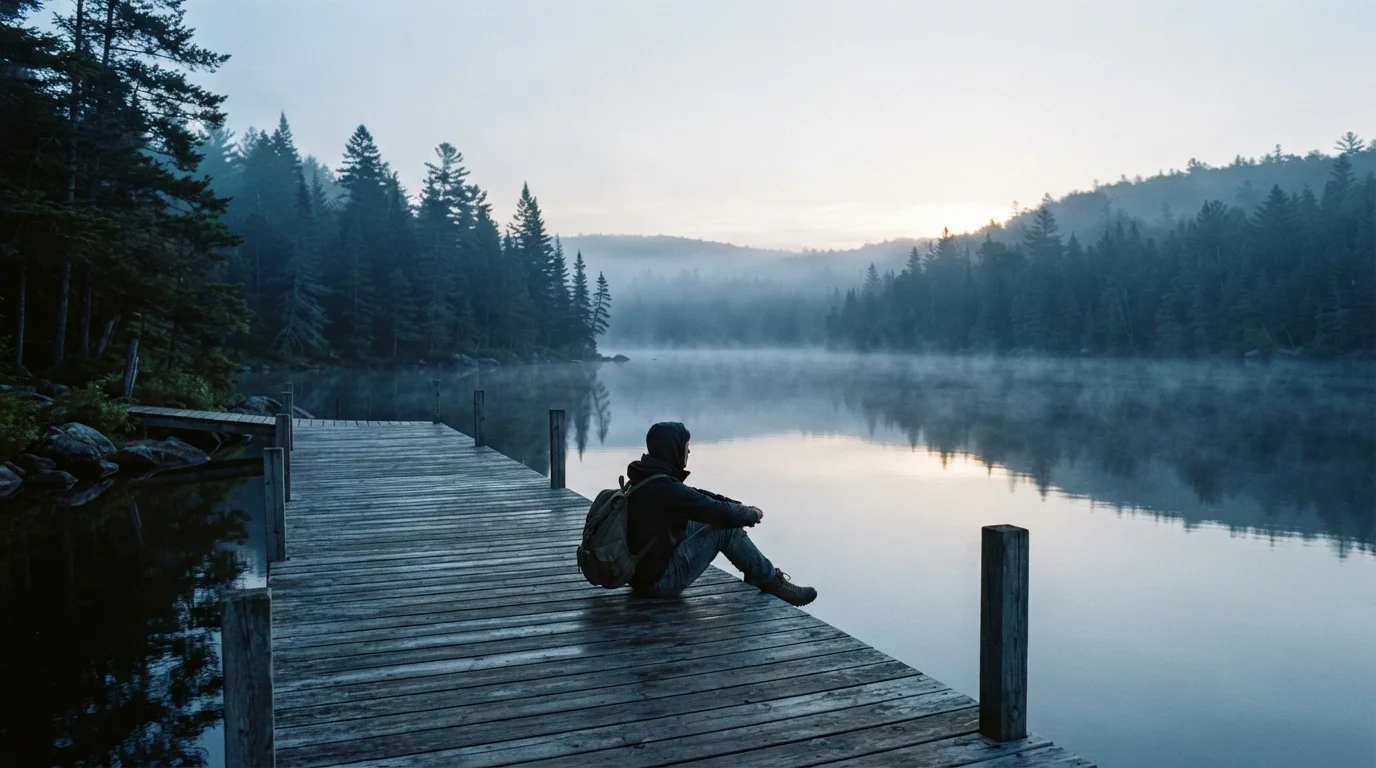
Photo credit: ExploreRoute.net | Travel Made Simple
In this article
Traveling alone for wellbeing brings distinct freedoms and real considerations. A grounded introduction to planning solo wellness trips with clarity and confidence.
Key Takeaways
- Solo wellness travel is defined by intentionality, not itinerary length or luxury level.
- Destination choice should align with your specific wellbeing goal — rest, movement, or reflection.
- Safety preparation and informed flexibility are more valuable than rigid day-by-day planning.
- Solitude on a wellness trip is a resource to be cultivated, not a problem to be solved.
- Verify all entry requirements, health precautions, and local advisories through official sources before traveling.
What Solo Wellness Travel Actually Means
Solo wellness travel isn't a niche product category — it's a deliberate orientation toward a trip. You might spend a week at a structured retreat, or you might simply book a quiet coastal guesthouse and decide in advance to sleep eight hours a night, walk every morning, and stay off your inbox. Both count. What distinguishes a wellness trip from an ordinary vacation isn't the price point or the programming; it's the intention you bring to the time.
For frequent travelers already familiar with the mechanics of getting somewhere, the challenge of solo wellness travel is usually internal. You're accustomed to packing schedules, optimizing itineraries, and extracting maximum experience from limited time. A wellness-oriented trip asks you to do the opposite — to resist the impulse to fill every hour and to treat stillness as the destination itself.
Wellness travel
Travel undertaken with the primary goal of improving or maintaining physical, mental, or emotional wellbeing — rather than sightseeing or entertainment as the central aim.
Structured retreat
A hosted program, usually at a dedicated facility, that provides scheduled wellness activities such as yoga, meditation, therapeutic treatments, or guided workshops.
Intentional solitude
Choosing to spend time alone as a deliberate act of self-care or reflection, rather than isolation by circumstance. On a wellness trip, it's a resource rather than a problem.
Digital detachment
A deliberate reduction or elimination of screen time and connectivity during travel, used to support mental rest and presence.
Travel advisory
An official notice issued by a government — such as the U.S. State Department — rating the safety and conditions of a foreign destination for its citizens.
The complete picture on wellness travel covers the full spectrum of formats, from weekend escapes to multi-week immersions, and is worth reading before you start planning.
Choosing the Right Setting for Your Goals
The environment you choose should be a direct function of what you're trying to recover from or cultivate. Someone experiencing chronic mental fatigue needs a different setting than someone recovering from physical injury or seeking creative renewal. A mountain retreat with limited cell service is ideal for digital detachment. A coastal town with a strong walking culture suits those who restore through gentle movement. A city with a rich thermal bathing tradition — Budapest, for example, or Reykjavik — suits travelers who want cultural engagement alongside physical rest.
Think carefully about how much structure you need. Some travelers flourish with an open schedule and a well-located room. Others find that unstructured time becomes anxious rather than restful. If you fall into the latter category, consider accommodation that offers optional daily programming — morning yoga, evening talks, guided meditation — without requiring your participation. This provides a scaffold without becoming a constraint.
Unconventional lodging options can meaningfully shape the wellness quality of your trip. A room with a mountain view, access to a private garden, or proximity to a thermal spring isn't a luxury upgrade — it's part of the actual experience you're designing.
Match Environment to Restoration Style
Before booking, ask yourself a simple question: do you restore through movement, stillness, or social connection? Your honest answer should drive your destination choice more than any trending location. A retreat that's perfect for someone else can be entirely wrong for your nervous system. Choosing the right setting is more than half the work of planning a successful solo wellness trip.
Safety and Preparation Without Overplanning
Solo travel carries real safety considerations that don't disappear because the trip has a wellness framing. Before you depart, check your government's official travel advisory for your destination — these are updated regularly and reflect current conditions. Register your trip with your country's foreign affairs department if your destination warrants it. Ensure your travel insurance covers solo travel, medical evacuation, and any activities you plan to undertake, including hiking or water sports.
Share a complete itinerary with someone at home: accommodation names, contact numbers, and any planned excursions into remote areas. Set a regular check-in schedule — even a brief text message at the end of each day creates a meaningful safety net without disrupting your sense of solitude.
Don't Treat Wellness as a Shield from Risk
A wellness framing doesn't reduce the real-world risks of solo travel in unfamiliar environments. Isolated natural settings, solo hiking, and remote destinations all carry hazards that require informed preparation — regardless of how restorative the goal is. Always research destination-specific safety information through official government sources and ensure your travel insurance matches the activities you plan to undertake.
If you're planning to travel in less-touristed regions or undertake physically demanding activities, err on the side of more research rather than less. Conditions on the ground — trail access, local transport, seasonal weather — can differ significantly from what booking platforms suggest. Official tourism boards and embassy resources are more reliable than aggregated review sites for logistical ground truth.
For those drawn to cruising as a solo wellness format, solo cruising has distinct trade-offs worth understanding before you commit.
Making the Most of Solitude
Solitude is the defining resource of a solo wellness trip, and like any resource, it can be well used or wasted. The difference usually comes down to what you decide in advance — not a rigid schedule, but a loose philosophy for the days ahead. Some travelers find it useful to set a single loose intention for each morning: a walk before coffee, a journaling session before any screen time, an hour of reading in the afternoon. These micro-commitments provide just enough structure to prevent drift without becoming obligations.
Resist the social pressure, internal and external, to document or broadcast the experience in real time. Posting to social media isn't inherently incompatible with wellness travel, but the reflexive impulse to narrate your experience as it happens can significantly undercut the reflective quality of the time. Consider establishing your own rules before you leave — not as self-denial, but as a design choice.
If you find that you're not traveling alone so much as traveling while working remotely, that's worth examining honestly. Integrating wellness into a trip that wasn't designed for it offers practical approaches for when the trip has competing demands on your attention.
Practical Considerations Before You Go
A few concrete preparations make the difference between a trip that restores and one that adds to your stress load. Build buffer time into your arrival and departure days — rushing to a retreat or racing to an airport immediately erodes what you came to cultivate. If your goal includes significant physical activity, consult a qualified healthcare professional before departure, particularly if you have any underlying conditions. This article is for general informational purposes only and is not medical advice.
Construct your itinerary with deliberate flexibility rather than jam-packed days. Solo itineraries differ meaningfully from group schedules — the absence of other people's preferences is an asset, not just a logistical quirk. Use that freedom to build in genuine margin: a half-day with nothing planned is not wasted time on a wellness trip.
Finally, verify all entry requirements — visas, vaccinations, health declarations — through official government and embassy sources well in advance. Requirements change, and no third-party source should be treated as definitive. Sound itinerary-building practices apply here as everywhere: the more clearly you understand the practical constraints, the more freely you can inhabit the time between them.
This article is for general informational purposes only and does not constitute medical, safety, or legal advice. Always verify travel advisories, entry requirements, and health precautions through official government and provider sources before traveling.
Frequently Asked Questions

Author
Specialty Travel Editorial Team
Specialty Travel Editorial Team is the collective byline for our editorial team and contributor network. Articles published under this byline or an editorial pen name are researched, written, and reviewed according to our editorial standards for clarity, consistency, and independence before publication.
View all articles →