
What Wellness Travel Actually Means — And What It Doesn't
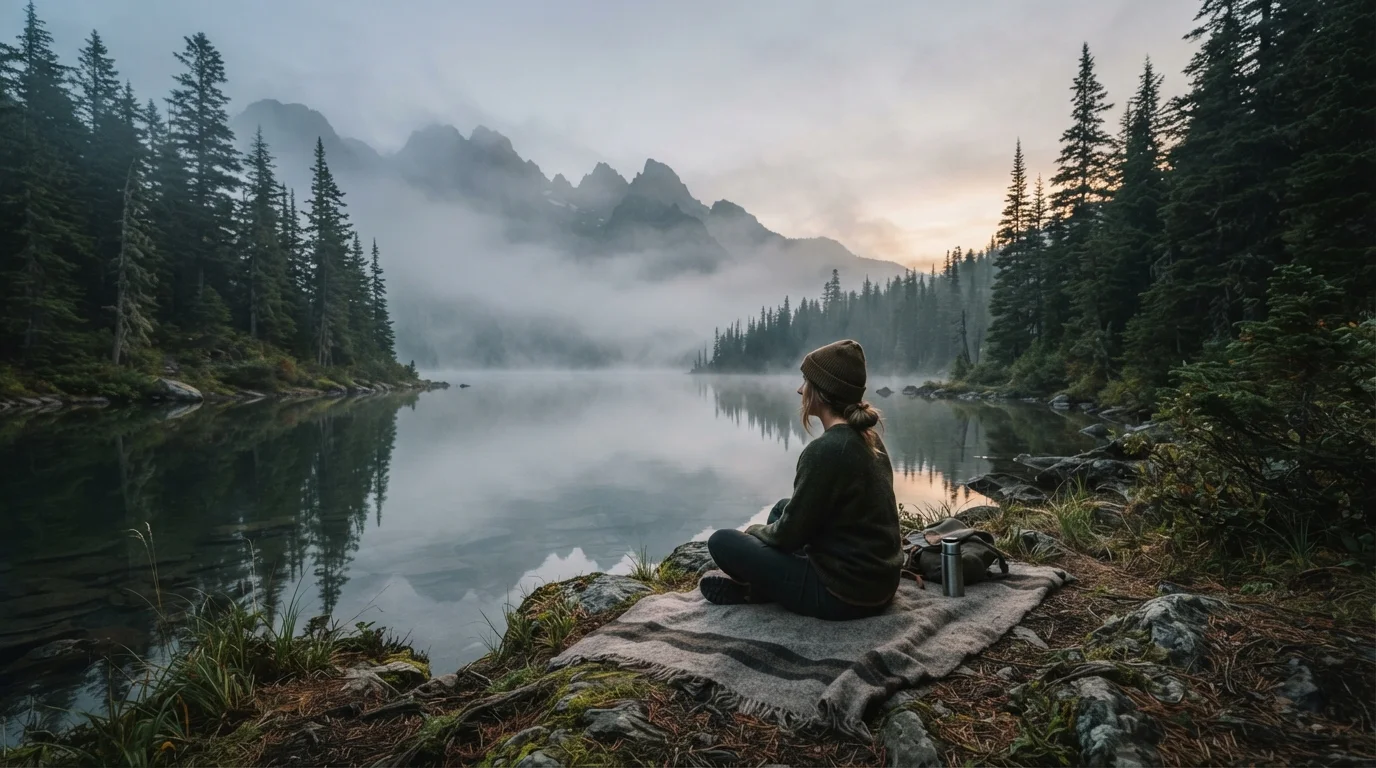
Photo credit: ExploreRoute.net | Travel Made Simple
In this article
Wellness travel is more than spa days and yoga retreats. Understand what the term really covers and how to find experiences that genuinely support your health.
Key Takeaways
- Wellness travel is defined by intention, not by luxury amenities or price point.
- It covers physical, mental, emotional, and social well-being — not just spa experiences.
- Medical tourism and wellness travel are related but distinct concepts.
- A genuinely restorative trip can be built into almost any travel format.
- Marketing language around wellness travel is often inflated — critical evaluation matters.
The Term Everyone Uses and Almost No One Defines
Wellness travel has become one of the most heavily marketed phrases in the travel industry — and one of the least precisely defined. Browse any travel publication and you'll find the label applied to five-star Maldives resorts, austere silent retreats in rural Japan, ayurvedic clinics in Kerala, and weekend glamping experiences with a yoga session tacked on. The range is so wide that the term risks becoming meaningless.
That ambiguity matters because it affects what travelers actually expect — and whether a trip delivers genuine benefit. Understanding what wellness travel does and doesn't include is the first step toward choosing experiences that genuinely support your health rather than simply invoking its language.
This article is part of our complete guide to wellness travel formats and destinations, which covers everything from weekend escapes to multi-week immersions.
$818B
Global wellness tourism market size
The Global Wellness Institute estimated the wellness tourism market at approximately $818 billion before pandemic disruptions, with projections for continued growth.
2 in 3
Travelers seeking restorative experiences
Multiple traveler surveys conducted in the early 2020s found that a significant majority of respondents wanted their next trip to include at least one restorative or wellness-oriented element.
40+
Countries with established thermal bathing traditions
Thermal and mineral spring destinations span every inhabited continent, reflecting deep historical and cultural roots in hydrotherapy as a wellness practice.
What Wellness Travel Actually Covers
At its core, wellness travel is travel where the primary intention is to maintain or improve well-being. That intention is what separates it from leisure travel, where wellness might be a pleasant side effect — better sleep from sea air, reduced stress from time off work — rather than a deliberate design choice.
The category is genuinely broad. Physical wellness travel includes movement-based trips: hiking itineraries, surf camps, cycling routes, and active retreats built around consistent daily exercise. Thermal and hydrotherapy destinations — Iceland's geothermal pools, Hungary's historic bathhouses, Japan's onsen culture — fall here too. Research on practices like forest bathing and thermal soaking suggests measurable physiological effects, though outcomes vary by individual and context.
Mental and emotional wellness travel focuses on psychological restoration: digital detox programs, meditation retreats, slow travel in low-stimulation environments, and nature immersion experiences. Social wellness — travel designed to build meaningful connection, whether through community-based tourism or group retreat formats — is a growing segment of the category.
“Wellness tourism isn't a product — it's a motivation. The traveler's intention to maintain or improve their health is what defines the trip, not the amenities on offer.”
— Global Wellness Institute, International research and advocacy organization for the wellness economy
What Wellness Travel Doesn't Mean
The wellness label is applied so broadly that several clarifications are worth making explicitly.
Wellness travel is not the same as medical tourism. If you're traveling to receive treatment for a diagnosed condition — whether surgery, oncology, dental procedures, or clinical rehabilitation — that's medical tourism, a distinct category with its own evaluation criteria, risks, and logistics. Some destinations and programs blur the line, offering both preventive health screenings and general wellness programming, but the distinction matters when assessing what you actually need.
Wellness travel is not inherently luxury travel. High-end resorts have been effective at associating their brand with wellness, but restorative travel doesn't require a premium price point. What you can and can't compromise on in wellness travel on a realistic budget is a question worth examining before assuming a transformative experience requires a transformative budget.
Wellness travel is not a medical treatment. No travel experience — regardless of how it's marketed — should be substituted for professional medical or psychological care. This is general health information, not medical advice; always consult a qualified healthcare professional about your personal health decisions before undertaking any intensive program.
Evaluate Credentials Before You Commit
When assessing any wellness retreat or program, look for verifiable practitioner qualifications, clear descriptions of what methods are used and why, and language that sets realistic rather than inflated expectations. If a program's primary marketing relies on testimonials and transformation language without substantive explanation of its approach, treat that as a signal to ask more questions — or look elsewhere.
How to Approach It as an Informed Traveler
Wellness travel works best when the intention is honest and specific. Vague aspirations — "I want to feel better" — are harder to satisfy than concrete ones: improved sleep, consistent movement, reduced screen time, or time in nature. Specificity makes it easier to evaluate whether a given destination or program is genuinely suited to what you need.
Scrutiny of marketing claims is also essential. Programs that promise transformation, healing, or cure within a fixed number of days warrant skepticism. Reputable wellness experiences use qualified practitioners, describe their methods transparently, and communicate realistic outcomes. Before booking any wellness retreat, a set of practical questions can help you separate credible programming from wellness-washed marketing.
Finally, it's worth knowing that wellness travel doesn't require a dedicated retreat format at all. Integrating wellness elements into a trip that wasn't designed for it — building in recovery time, choosing slower itineraries, prioritizing sleep — can be just as restorative. The intention is what matters, not the itinerary label.
Frequently Asked Questions

Author
Specialty Travel Editorial Team
Specialty Travel Editorial Team is the collective byline for our editorial team and contributor network. Articles published under this byline or an editorial pen name are researched, written, and reviewed according to our editorial standards for clarity, consistency, and independence before publication.
View all articles →