
Why Your Cruise Misses the Ports You Actually Wanted
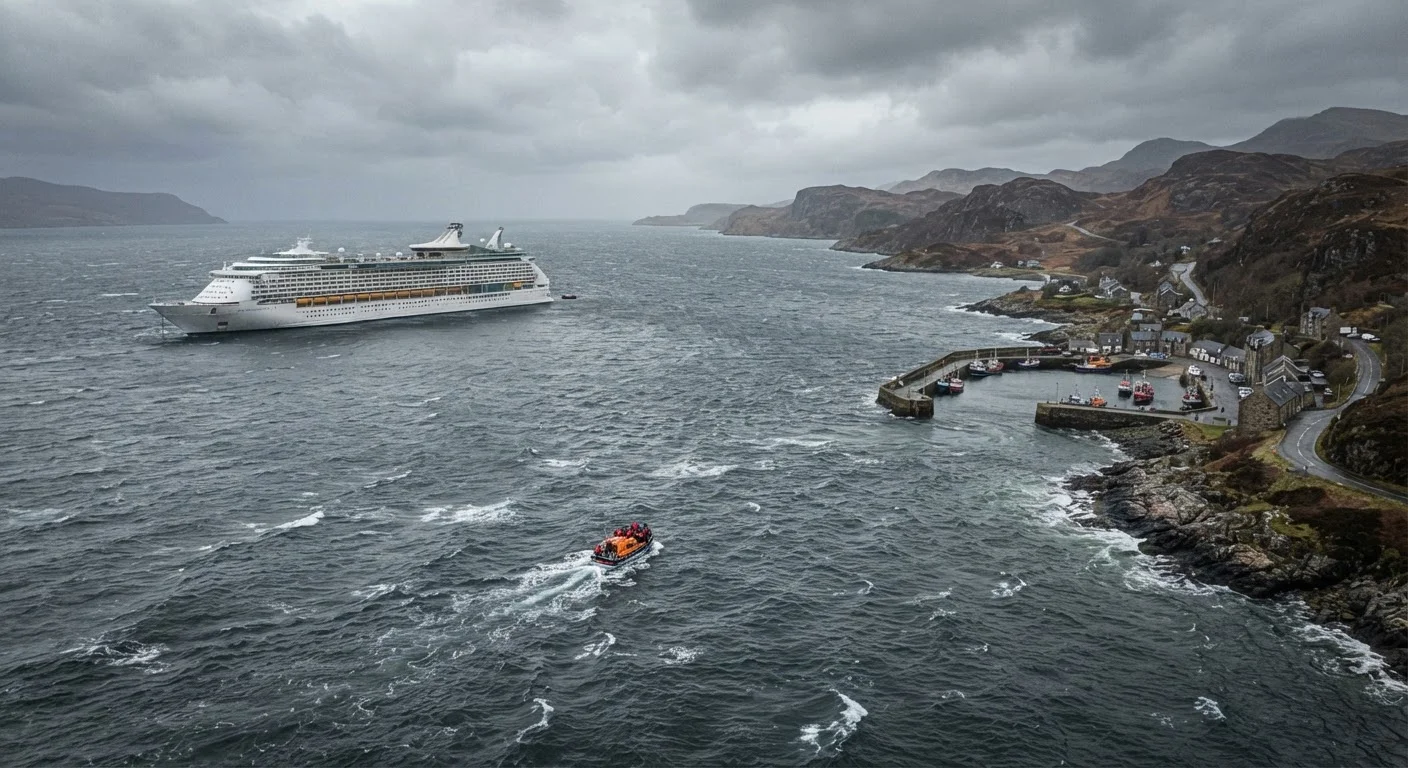
Photo credit: ExploreRoute.net | Travel Made Simple
In this article
Weather diversions, tide restrictions, and overcrowding all shape what ends up on your itinerary. Learn the real reasons ports get swapped or skipped.
Key Takeaways
- Cruise lines hold the legal right to alter itineraries; booked ports are never guaranteed.
- Weather, tide windows, berthing conflicts, and overcrowding are the four most common substitution triggers.
- Reading the fine print of your cruise contract before booking prevents the most common disappointments.
- Flexible travelers who research backup ports in advance get far more from substituted stops.
- Sea days added by diversions can be rewarding if you've planned onboard time intentionally.
The Port Promise That Isn't a Promise
Most cruisers book an itinerary treating the port list as a contract. It isn't. Every major cruise line reserves the right to alter, substitute, or cancel ports of call — and those rights are embedded in the passage contract every passenger agrees to at booking. Weather diversions, tide-window conflicts, terminal scheduling, and port authority restrictions can each pull a destination off the board with little notice, sometimes announced after the ship has already sailed.
Understanding why ports get swapped is the first step toward building a cruise strategy that survives reality. See our examination of cruise itinerary misconceptions for more on why popular assumptions about port-heavy schedules often lead travelers astray.
Booking a cruise solely because one specific port is on the itinerary.
Why it happens: Travelers often see a destination on a port list and assume it's guaranteed, treating the itinerary as a fixed schedule rather than an operational plan subject to change.
Ignoring seasonal weather patterns when selecting departure dates.
Why it happens: Cruisers often book based on price or school schedules without cross-referencing peak storm seasons, monsoon windows, or ice conditions relevant to their route.
Assuming a tender port stop is equivalent to a docked berth.
Why it happens: Itineraries rarely flag whether a port requires tendering (traveling ashore by small boat), and cruisers often don't realize that rough seas can cancel tender operations entirely even when the ship arrives on schedule.
Booking non-refundable independent shore tours before sailing.
Why it happens: Independent tours are often less expensive than ship-organized excursions, and travelers book them early to lock in availability — without accounting for the risk that the port visit may not happen.
Treating sea days added by diversions as wasted time.
Why it happens: Port-focused travelers view every unexpected sea day as a loss, which creates frustration that colors their entire trip — even when the ship's programming offers genuine value.
What Actually Drives Port Changes
Four operational forces account for the vast majority of itinerary changes:
- Weather and sea state: Hurricanes and tropical systems are the obvious culprits in the Caribbean and Gulf of Mexico, but North Atlantic swells, Pacific fog, and Alaska williwaw winds cause just as many diversions on other routes.
- Tide and draft restrictions: Many smaller or historic ports — particularly in Northern Europe and the Baltic — have shallow approaches that only accommodate cruise ships during narrow tidal windows. Miss the window, miss the port.
- Berthing conflicts: Cruise traffic at marquee ports like Dubrovnik, Mykonos, and Santorini is managed by strict vessel caps. If a competing ship books the berth first, yours anchors offshore or reroutes entirely.
- Port authority and political decisions: Local governments periodically restrict cruise calls — sometimes permanently, sometimes seasonally — to manage overtourism or respond to community pressure.
~30%
Caribbean itineraries altered per season
Industry estimates suggest roughly a quarter to a third of Caribbean sailings experience at least one itinerary adjustment per season, primarily driven by weather and scheduling conflicts.
12–24 hrs
Typical notice window for port substitutions
Cruise lines commonly notify passengers of port changes between twelve and twenty-four hours before the affected call, often after the ship is already at sea.
Top 5
Most diverted Mediterranean ports
Santorini, Mykonos, Dubrovnik, Kotor, and Civitavecchia consistently rank among the most frequently congested or substituted Mediterranean ports due to vessel-cap policies and high demand.
For a broader look at how poor planning compounds these disruptions ashore, see what goes wrong on port days.
Planning Smarter Before You Book
The mistakes that hurt most aren't the port substitutions themselves — they're the planning choices that leave travelers exposed when substitutions happen.
Non-Refundable Pre-Booked Tours Carry Real Risk
Independent shore excursions booked outside the ship carry no protection if your port is skipped or substituted. Ship-organized excursions are typically refunded when the cruise line cancels a port, but independent operators vary widely in their policies. Always confirm cancellation terms before paying — and verify whether your travel insurance covers pre-paid excursion losses due to itinerary changes.
Travelers who research their destination region broadly, rather than fixating on one or two ports, consistently report higher satisfaction when itineraries shift. Aligning your itinerary to your actual travel style — port-intensive versus sea-day-rich, active versus cultural — is a more durable strategy than chasing a specific pier.
It's also worth noting that the dynamics shaping cruise port selection overlap with the same forces that send land-based travelers to the wrong towns — viral popularity, seasonal blind spots, and confusing busy with good.

Author
Cruise Journeys Editorial Team
Cruise Journeys Editorial Team is the collective byline for our editorial team and contributor network. Articles published under this byline or an editorial pen name are researched, written, and reviewed according to our editorial standards for clarity, consistency, and independence before publication.
View all articles →