
Myths About Cruise Ship Shore Excursions You Should Stop Believing
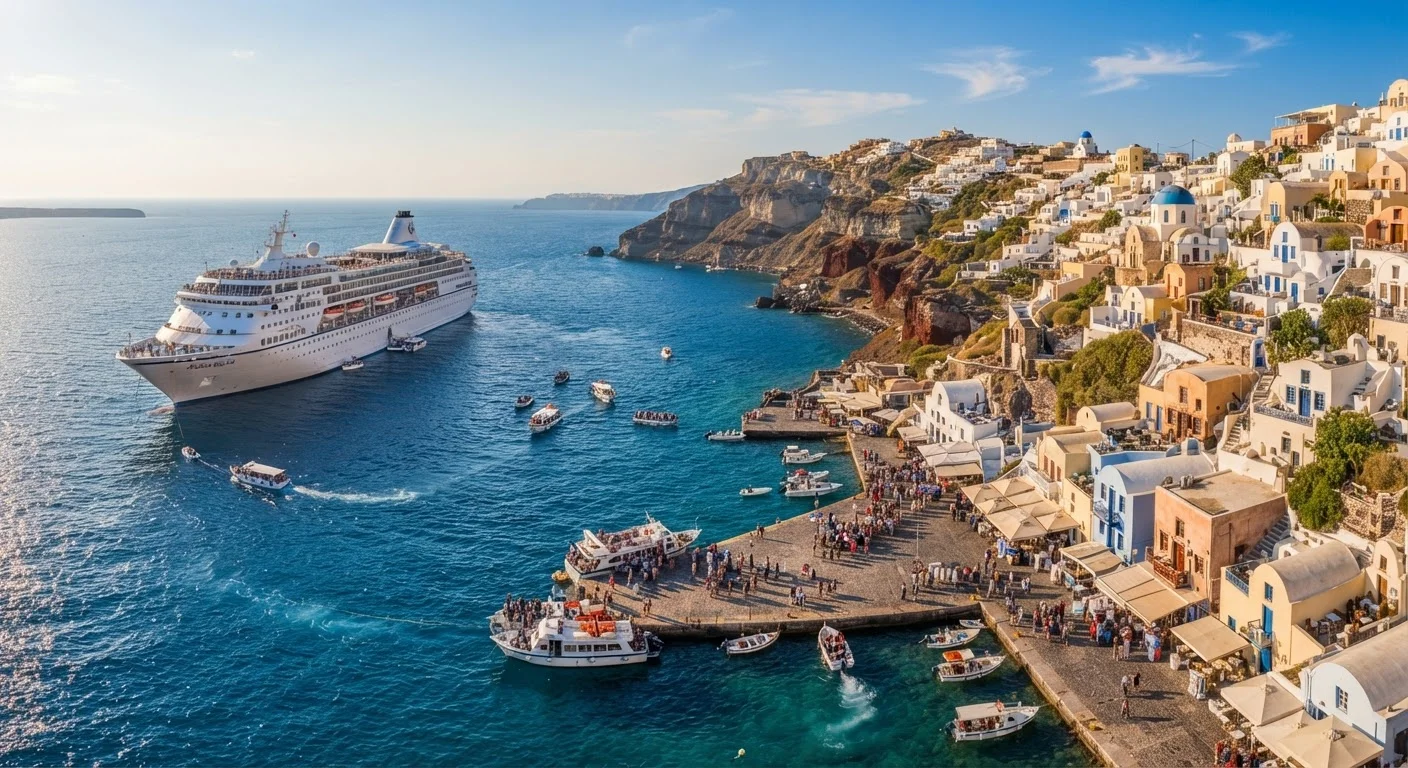
Photo credit: ExploreRoute.net | Travel Made Simple
Are ship-organised tours really safer? Always worth the premium? We sort the common assumptions from what the evidence actually shows.
Key Takeaways
- Ship-organised excursions are not automatically safer than independent options in most ports.
- Private tours can often be cheaper per person than cruise line group offerings.
- The ship-waits guarantee only applies when you book directly through the cruise line.
- Staying aboard on port days is a legitimate, sometimes rewarding, choice — not wasted time.
- Last-minute independent plans are often feasible in well-served, accessible ports.
Why Shore Excursion Myths Persist
Shore excursions sit at the intersection of excitement and anxiety for most cruisers. With only a few hours in port and unfamiliar terrain ahead, passengers understandably lean on conventional wisdom — much of which turns out to be marketing-shaped assumption rather than lived reality. These beliefs influence real spending decisions, sometimes costing hundreds of dollars per person that could have been redirected toward a richer, more personalised experience ashore.
Below, we work through the most persistent myths, set the record straight, and flag where nuance genuinely matters. For a broader look at how itinerary assumptions quietly shape the quality of your trip, see our itinerary myths guide.
Myth
Booking through the ship is always safer because the vessel will wait for you if a tour runs late.
Fact
Ships do typically wait for their own excursion groups, but this guarantee does not extend to late-returning independent travellers — and even ship tours can face unexpected delays that compress your time ashore.
The ship-wait guarantee is real but narrower than most passengers assume. It applies only to excursions purchased directly through the cruise line. If a ship-organised tour bus breaks down or traffic causes a significant delay, the line will generally hold departure — but your time in port is still shortened, sometimes dramatically. In straightforward, accessible ports, the risk of missing the ship independently is far lower than the marketing around this guarantee implies. That said, in remote destinations with limited transport options, this protection carries genuine value and should factor into your decision.
Myth
Ship excursions cost more, but you get significantly better quality and more knowledgeable guides.
Fact
Price premium does not reliably correlate with guide quality or experience depth. Many independent operators use the same local guides as cruise lines — sometimes the identical individuals.
Cruise lines typically contract local ground operators to run their tours, then mark up the price to cover administration and profit margin. The guide standing at the front of that bus may work for the same agency offering tours independently at the pier for less. Quality varies on both sides of the equation — the cruise line excursion offers standardisation and convenience, but independent operators often provide smaller group sizes, more flexible itineraries, and guides who are incentivised to earn repeat business directly. Research the operator, read recent reviews from non-cruise sources, and ask about group size before booking either way.
Myth
You need to book excursions months in advance or everything worthwhile will be sold out.
Fact
Popular ship excursions do sell out early, but independent alternatives in most ports are available on shorter notice — and last-minute availability through the cruise line itself is more common than passengers expect.
Advance planning is smart for specific high-demand experiences — a glacier helicopter flight in Alaska, or a private cooking class in a small Sicilian town. But the broad fear of total sell-out drives many passengers to lock in ship excursions reflexively, sometimes for ports where independent options are plentiful right at the pier. Check the cruise line's excursion availability closer to sailing; cancellations open spots regularly. For independent tours, reputable operators in major cruise ports are accustomed to booking inquiries one to two weeks out, and sometimes shorter.
Myth
Group ship tours are your only practical option if you're travelling with mobility considerations.
Fact
Many independent operators specialise in accessible tours and can offer more personalised accommodation than the fixed itineraries of large group excursions.
Large group ship excursions are designed for the median passenger, which means accessibility accommodations can be inconsistent or bolted on as afterthoughts. Dedicated accessible travel operators — available in most major cruise ports — often provide vehicles with proper lift equipment, guides experienced with specific mobility needs, and the flexibility to adjust pace. The cruise line's own accessibility team can be a useful starting point for information, but the assumption that ship tours are the only safe choice for passengers with mobility needs deserves scrutiny. Always verify specifics directly with any operator well in advance. Cruise tips and life ashore covers broader accessibility considerations worth reviewing.
Myth
Staying on the ship when in port is a waste of your cruise investment.
Fact
Sea-day amenities — pools, spa, restaurants, decks — are at their least crowded when most passengers are ashore, making ship days a genuinely different and sometimes preferable experience.
The calculus of cruise value isn't purely about time spent in port. For passengers managing fatigue, recovering from illness, or simply preferring a quiet pool deck to a crowded archaeological site, a port day aboard can deliver real quality. This is especially true on itineraries with back-to-back port days, where skipping one stop allows energy to be preserved for destinations that matter more. The cruise itineraries hub offers perspective on building a port schedule that reflects your actual priorities rather than a checklist mentality.
Making Smarter Decisions at Every Port
Once you strip away these myths, a cleaner decision framework emerges. The core question isn't ship vs. independent — it's which option best matches this specific port's conditions, your group's size and mobility needs, and today's schedule? Remote or tender ports with limited ground infrastructure genuinely favour cruise-organised tours. Accessible, walkable cities — think Dubrovnik, Nassau, or Juneau — often reward independent exploration handsomely.
Verify Entry and Port Conditions Officially
Local conditions at ports — including pier access, tender requirements, and area advisories — can change with little notice. Always cross-check port information with your cruise line's daily updates and consult official government travel advisories for your destinations before and during travel. Do not rely solely on third-party blogs or older forum posts for current conditions.
Port research matters more than tour-booking loyalty. Check sailing schedules, tender requirements, and local transport options well before arrival. The ship vs. independent excursion trade-off guide offers a structured way to evaluate each port on its own terms. And if you want to see how these choices ripple into overall itinerary quality, our cruise itinerary myth breakdown is worth reading alongside this piece.

Author
Cruise Journeys Editorial Team
Cruise Journeys Editorial Team is the collective byline for our editorial team and contributor network. Articles published under this byline or an editorial pen name are researched, written, and reviewed according to our editorial standards for clarity, consistency, and independence before publication.
View all articles →