
Spending a Week in a Town No One Has Heard Of: Planning from Scratch
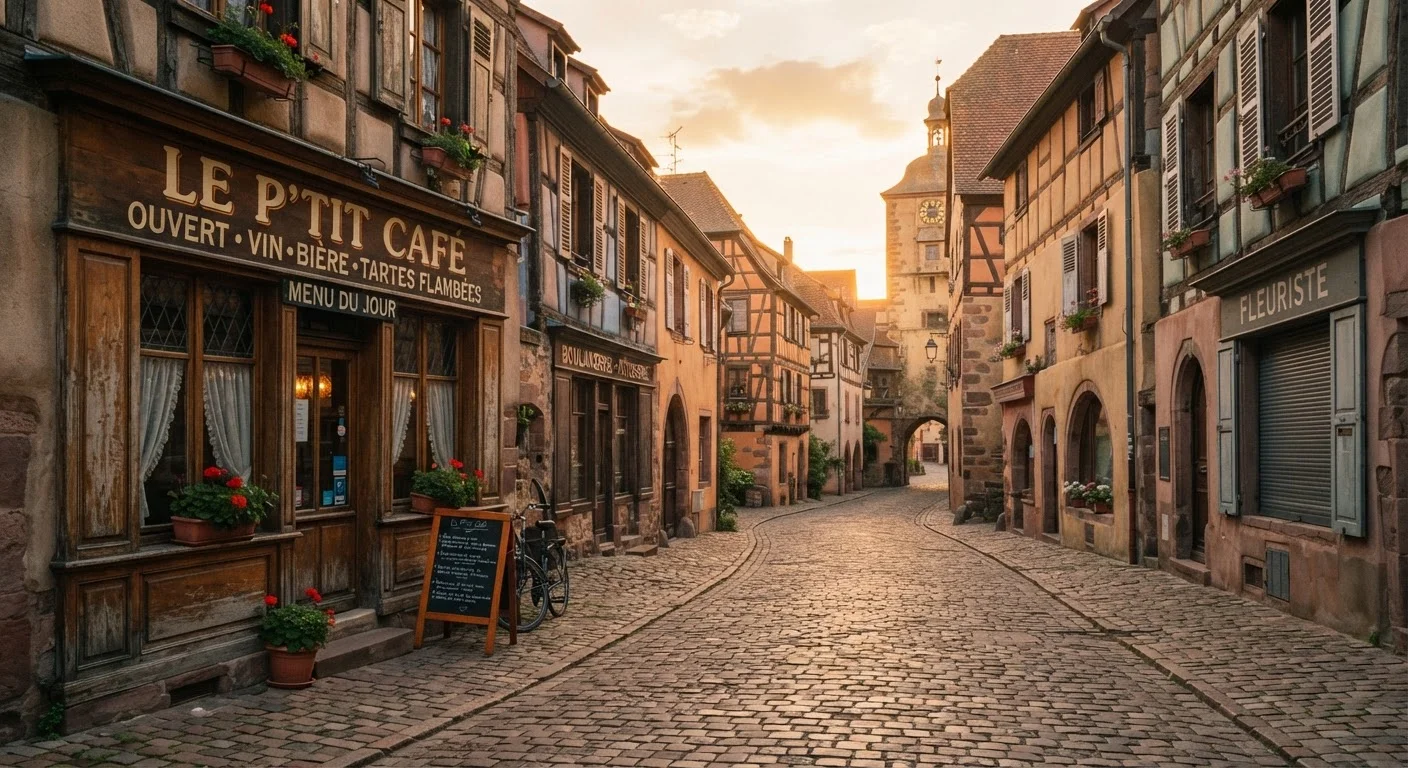
Photo credit: ExploreRoute.net | Travel Made Simple
In this article
An end-to-end guide to finding, researching, and structuring a week-long stay in a small town with minimal existing travel content to rely on.
Key Takeaways
- Overlooked towns reward travelers willing to research beyond the first page of search results.
- A week is enough time to develop genuine rhythm with a small community — if your itinerary allows flexibility.
- Thin online coverage is a signal that discovery is still possible, not that there's nothing to find.
- Local sources — regional newspapers, municipal websites — often outperform travel blogs for accuracy.
- Respectful engagement with residents is both an ethical practice and your best real-time resource.
Why Plan Around a Town No One Has Heard Of
There's a particular satisfaction that comes from spending a week somewhere that doesn't appear on anyone's aggregated list of hidden gems — a town genuinely unaccustomed to outside visitors, where the market square fills with locals rather than photographers and the café owner is surprised, rather than practiced, at welcoming a stranger. The rewards are real, but so is the planning gap: when almost no travel content exists, you're building an itinerary from scratch in a way that mainstream destination planning never requires.
This guide is about bridging that gap — finding the place, understanding what's there, structuring seven days with intention, and arriving prepared for the productive uncertainty that comes with it. If you're skeptical that a quiet small town can fill a week meaningfully, common assumptions about small-town travel often turn out to be wrong — the reality tends to surprise.
Finding the Town: Research Methods That Actually Work
The single biggest mistake in planning this kind of trip is treating standard travel search engines as your primary tool. They surface what's been written about, and by definition, your destination hasn't been. Start instead with geographic and administrative sources: regional tourism board PDFs, county or municipal websites, and regional newspaper archives in the destination country. These often list towns by population, proximity to a regional hub, or historical designation — and they're rarely indexed the way travel content is.
Secondary research layers that consistently surface overlooked places include: academic papers on regional history or agriculture, which name specific towns; National Trust or heritage register databases; railroad history societies (small rail depots anchor many forgotten towns); and local Facebook groups or forums in the destination language, which reveal where residents in nearby larger cities actually go on weekends.
When researching through local Facebook groups or forums, post in the destination language asking where residents go for a weekend away — the towns they name are almost always better candidates than anything surfaced by a search engine.
Residents of regional cities have direct, practical knowledge of nearby towns that bypasses the tourism-content ecosystem entirely, making their recommendations far more reliable for genuinely undervisited places.
Email the local municipal library at your chosen destination before you travel — librarians are often among the best-informed people about local history, seasonal events, and community resources, and many are delighted to correspond with curious visitors.
Municipal libraries frequently hold local maps, event calendars, and historical records unavailable online, and their staff can provide context that no travel blog replicates.
Be wary of the common trap of confusing quiet with closed, or sparse with inaccessible — recurring planning habits that lead to disappointing small-town visits are worth understanding before you commit to a destination.
Building a Week from Thin Air
Once you've chosen a town, resist the urge to script every day in advance. A week in a place with minimal tourism infrastructure works best with a loose architecture: two or three anchoring activities or sites you've confirmed exist, open days with directional themes rather than fixed schedules, and deliberate transition time built in for the discoveries that happen on foot.
A practical framework for the seven days: Day one is always orientation — walk every street in the core, locate where people actually gather, identify the market day. Days two through four can each hinge on one confirmed anchor (a heritage site, a day trip to a nearby village, a workshop or craft tradition you've found through local sources). Days five and six are best left intentionally open, structured only by what you've learned on the ground. Day seven, treat as a slow departure — revisit a place that surprised you.
Crafting flexible, well-paced itineraries for any trip length is a skill that pays particular dividends in low-infrastructure destinations where circumstances shift unexpectedly. For deeper reading on decoding what you see as you wander — markets, architecture, public squares, there's a practical guide worth reviewing before you leave.
Build In a Market Day Anchor
Before finalizing your travel dates, confirm the local market day — in many small towns, this is the single most revealing window into community life. Structuring your arrival or a mid-week day around it gives your itinerary an organic social anchor and dramatically increases your chances of genuine interaction with residents.
Logistics When the Infrastructure Is Sparse
Small towns with minimal tourism infrastructure often have accommodation in forms that don't appear on major booking platforms: family-run guesthouses listed only on local classifieds, rooms above restaurants, or municipal tourism offices that maintain a list of approved homestays. Contact the local town hall or regional tourism office directly — many will respond to a brief, respectful email inquiry even if they don't maintain an English-language web presence.
Transportation deserves early attention. Regional bus networks, where they exist, often operate on schedules tied to market days or school hours rather than tourist convenience. Confirming these schedules — through operator websites, municipal transport pages, or phone calls — before you arrive prevents the most common logistical frustration. For destinations in countries where you're unfamiliar with the language, researching destinations, visas, and travel logistics effectively lays useful groundwork.
Don't Assume Digital Silence Means Easy Access
Towns with minimal online presence sometimes have limited accommodation capacity, seasonal road closures, or infrastructure constraints that only become apparent on arrival. Contacting a local authority in advance — even via a brief email — can surface practical obstacles that no travel article will mention. Always have a contingency plan for accommodation and transportation.
Entry requirements, local regulations, and transportation schedules can change. Always verify current conditions with official government and provider sources before traveling — do not rely on travel articles, including this one, for definitive logistics.
Arriving Curious, Leaving Connected
The final — and arguably most important — element of planning a week in an unvisited town is preparing yourself to show up well. When you're one of very few outside visitors, the manner of your presence matters in ways it simply doesn't in a tourist-saturated destination. Learning a basic greeting in the local language, understanding market etiquette, asking permission before photographing people or private spaces — these aren't niceties, they're the foundation of genuine exchange.
The most memorable weeks in genuinely overlooked towns tend to happen when travelers approach residents with curiosity and patience rather than an extraction mindset. A conversation at the morning market, an invitation to observe a local custom, a recommendation from someone who's lived there for decades — these are the experiences that can't be researched in advance and can't be manufactured. For a full treatment of how to navigate this sensitively, practical principles for considerate travel in towns unaccustomed to tourism is worth reading before you pack.
“The traveler who slows down enough to be curious about a place — rather than consuming it — tends to find that even the smallest town has more layers than a week can fully exhaust.”
— Rebecca Solnit, Author and cultural geographer, known for writing on place, wandering, and attention
A week is not a long time, but in the right place — approached with the right attention — it's enough to understand why the town has endured, what it values, and what it might offer the next curious traveler who finds their way there.

Author
Hidden Destinations Editorial Team
Hidden Destinations Editorial Team is the collective byline for our editorial team and contributor network. Articles published under this byline or an editorial pen name are researched, written, and reviewed according to our editorial standards for clarity, consistency, and independence before publication.
View all articles →