
Coastal Backroads Beyond Pacific Coast Highway
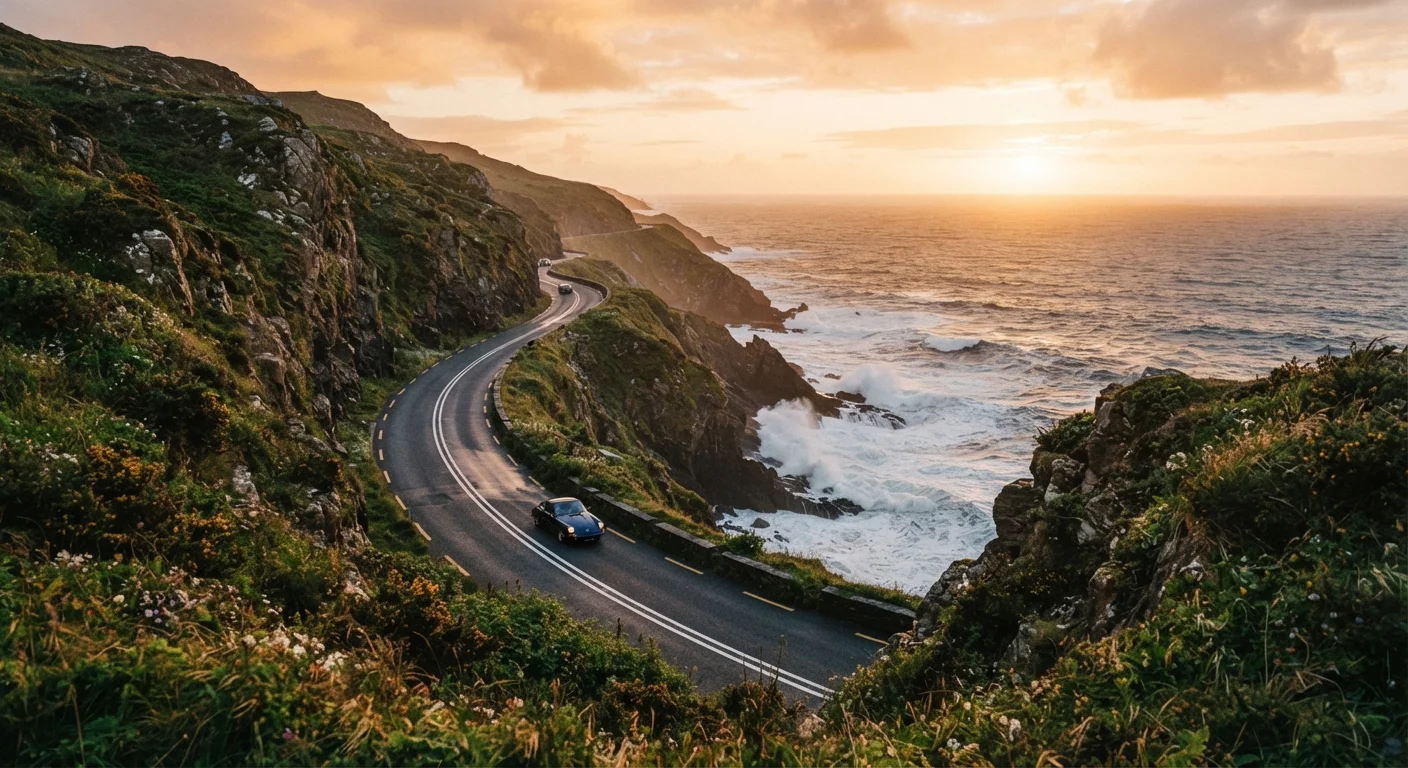
Photo credit: ExploreRoute.net | Travel Made Simple
PCH gets all the attention, but lesser-known coastal routes along the Atlantic, Gulf, and Pacific offer equally dramatic shoreline views.
Key Takeaways
- The US coastline stretches far beyond PCH, with underrated scenic drives on the Atlantic, Gulf, and Pacific shores.
- Many overlooked coastal routes pass through small fishing towns, wildlife refuges, and undeveloped barrier islands.
- Seasonal conditions, road closures, and tidal factors can affect drive timing — always check before you go.
- These backroads reward slower travel: plan extra time and avoid rushing through viewpoints.
- Local knowledge at bait shops, marinas, and visitor centers often unlocks the best unmarked pullouts.
The Coast Beyond the Famous Stretch
Pacific Coast Highway earns its reputation — ocean bluffs, redwood curtains, and those legendary Big Sur curves. But PCH captures so much of the conversation that equally stunning coastal drives elsewhere barely get a mention. The truth is that America's tidal edges are laced with two-lane roads that deliver drama, solitude, and genuine discovery without the bumper-to-bumper summer traffic.
Whether you're chasing saltmarsh sunrises on the Atlantic seaboard, scanning Gulf waters for roseate spoonbills, or threading Oregon's wave-carved headlands, these routes offer something PCH sometimes can't: the feeling that you found it yourself. For more on navigating these kinds of finds systematically, see our complete guide to hidden scenic drives across the United States.
A1A, Florida — From Fernandina Beach to Miami Beach
Florida's State Road A1A traces the Atlantic barrier islands for roughly 300 miles, and almost none of it feels like the Florida of theme parks and strip malls. From the Amelia Island marshes in the north through the Canaveral National Seashore — one of the longest undeveloped Atlantic coastlines remaining in the US — down to the Art Deco grids of South Beach, A1A shifts personality every 20 miles.
The stretch around Flagler Beach is particularly rewarding: the road practically overhangs the ocean, and the town itself is small enough that parking is never a competition. Note that storm surge and seasonal flooding can temporarily close segments; check Florida DOT conditions before you travel.
A1A's Canaveral stretch is one of the longest undeveloped Atlantic coastlines left in the US.
Highway 12, North Carolina — Hatteras Island to Ocracoke
NC-12 runs through Cape Hatteras National Seashore, threading narrow barrier islands where wild horses still roam and lighthouse shadows cross the asphalt in the morning. The southern section requires a free ferry crossing from Hatteras to Ocracoke Island — a 40-minute ride that functions as a genuine decompression chamber between the mainland world and one of the most car-light, community-feel villages on the East Coast.
Seasonal closures due to overwash are common in winter and after hurricanes; the National Park Service posts real-time road status updates. Travel in shoulder seasons — late April or October — for thinner crowds and migrating bird spectacles overhead.
The Hatteras-to-Ocracoke ferry is the only way through, and it's well worth the crossing.
Highway 90, Mississippi Gulf Coast
For a taste of the Gulf South on two wheels or four, US-90 along the Mississippi coast threads through Biloxi, Gulfport, and Bay St. Louis on one of the country's longest beachfront highways — and one of the least celebrated. The white-sand beaches here face a calm, warm Gulf, and the highway passes antebellum homes, old oyster shacks, and small harbor towns that feel genuinely lived-in rather than curated for tourism.
Pair this drive with the bayou corridors and pine-forest routes documented in our Deep South scenic drives feature for a full Gulf-country road trip loop.
US-90 runs along one of the country's longest beachfront highways — and almost nobody talks about it.
Oregon Coast Highway (US-101 North of Brookings) — The Forgotten Headlands
Yes, Oregon's 101 gets attention — but the 80-mile stretch between Brookings and Coos Bay earns far less than the postcard-famous sections further north. Here the highway dips and climbs past Samuel H. Boardman State Scenic Corridor, a string of viewpoints overlooking sea stacks, natural arches, and coves that require short hikes to reach. Because many visitors either begin in Portland and turn back before the south, or come from California and stop at Bandon, this corridor often feels half-empty even in summer.
If you want to weigh this against the more storied stretch of California's coast, our comparison of PCH versus Route 66 offers useful context for planning your broader West Coast itinerary.
Samuel H. Boardman's sea stacks and arches rival Big Sur — with a fraction of the foot traffic.
Maine's Schoodic Peninsula Loop — East of Acadia
Most visitors to Acadia National Park make a beeline for the main island of Mount Desert — and that's exactly why the Schoodic Peninsula, about an hour's drive east, remains one of Maine's best-kept coastal secrets. The 6-mile one-way park loop road offers unobstructed views of pink granite ledges being pounded by open Atlantic swells, with none of the parking-lot scrambles of the main park section.
The nearby village of Winter Harbor is tiny, deeply New England, and worth a stop for a bowl of chowder and a look at the working lobster dock. Schoodic is open year-round, though services in the area are limited outside summer and early fall — plan fuel and food accordingly.
Schoodic's granite coast gets all the drama of Acadia without the crowds — plan accordingly.
Hit the Road With Eyes Wide Open
Each of these routes rewards patience over speed. Pull over often, talk to locals at the marina, and resist the urge to photograph everything through a windshield. The iconic routes of American road travel have their place — but it's the backroads that tend to stay with you longest.
If your coastal drive ends at a port town and you're curious what to explore on foot, our Ports & Shore Life hub has ideas for extending that waterfront experience. And when it's time to book a bed for the night, consider reading up on what savvy travelers weigh before booking coastal lodging — tidal flooding and noise levels matter more than they seem from a listing photo.
Time Your Drive for Shoulder Season
Coastal backroads shine brightest in May–June and September–October. Crowds are thinner, wildlife is more active, and the light is softer than the harsh mid-July glare. Many of these routes also have fewer services outside peak season, so carry extra water, a paper map as backup, and a full tank before you leave the last town.

Author
Road Trip Culture Editorial Team
Road Trip Culture Editorial Team is the collective byline for our editorial team and contributor network. Articles published under this byline or an editorial pen name are researched, written, and reviewed according to our editorial standards for clarity, consistency, and independence before publication.
View all articles →