
Coastal Accommodations: What to Consider Beyond the Ocean View
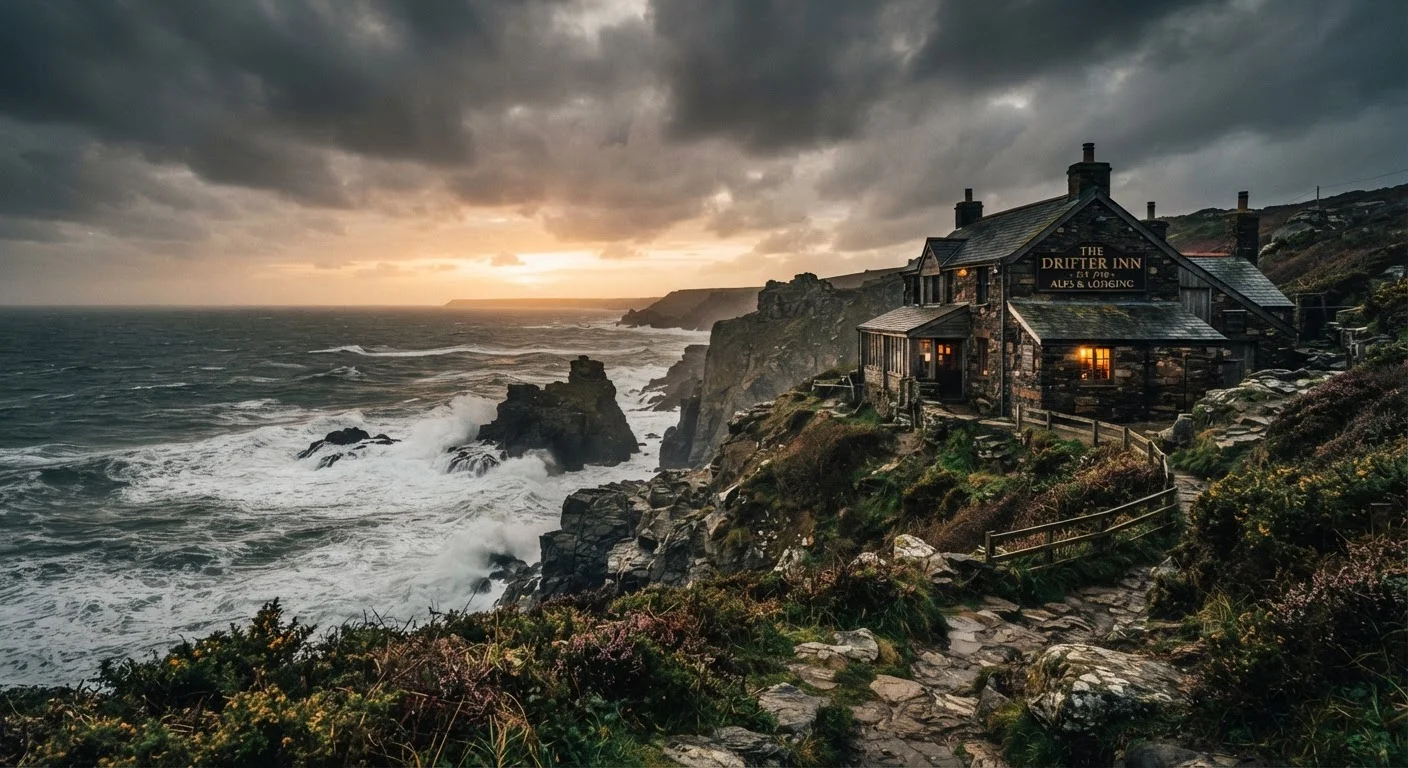
Photo credit: ExploreRoute.net | Travel Made Simple
In this article
From tidal flooding risks to noise levels, here's what savvy travelers weigh before booking lodging along the coast.
Key Takeaways
- Flood zone designation and storm surge history matter more than how close a property sits to the water.
- Noise, humidity, and salt air can significantly affect comfort and even your belongings during a coastal stay.
- Access roads, seasonal closures, and parking logistics vary widely between coastal regions and should be confirmed before booking.
- Local tidal patterns and beach access rules can differ substantially even between nearby properties.
- The right coastal accommodation depends heavily on your trip's purpose — relaxation, water sports, or exploring port towns.
Why the Ocean View Is the Least of It
An unobstructed ocean view is the pitch. It's what appears first in the listing photos, what drives up the nightly rate, and what most travelers mentally bookmark when they imagine the trip. But experienced coastal travelers know that the view is often the least complicated thing about a seaside property.
The real variables — flood risk, access conditions, ambient noise, humidity levels, and local regulations — are rarely front and center in any booking interface. They require deliberate research. And getting them wrong can turn a dream trip into an expensive inconvenience.
This guide focuses on the factors that matter beyond the view: the practical, geographic, and environmental considerations that separate a genuinely satisfying coastal stay from one that looks better in the listing than it feels in person. For a parallel look at water-adjacent properties that come with their own distinct challenges, see our piece on what lakefront travelers often overlook before booking.
Environmental and Safety Considerations First
Before aesthetics, consider risk. Coastal properties exist on a spectrum of vulnerability — from well-elevated, hurricane-hardened structures to low-lying rentals that sit within active flood zones. In the United States, FEMA flood zone designations are publicly searchable and worth consulting before committing to a booking, particularly along the Gulf Coast, barrier islands, and low-elevation Atlantic communities.
Flood Zone Designations Are a Starting Point
FEMA flood zone maps are a useful reference but are updated on irregular cycles and may not reflect the most recent coastal erosion or storm data. They're best treated as a starting point for research rather than a definitive safety certification. For the most current local conditions, contact the property and review recent community reporting from the destination area. Always verify safety and entry-related conditions through official sources before traveling.
Storm surge history is a more nuanced indicator than flood zone alone. A property may sit just outside a high-risk designation but have flooded in recent major storms. Reviewing local news archives or asking a property directly about its storm history is a reasonable step for longer or more expensive stays.
Salt air and humidity are environmental factors that affect comfort in ways travelers sometimes underestimate. Electronics, leather goods, and even clothing can show wear after extended coastal exposure. Properties that have invested in dehumidification systems and corrosion-resistant hardware generally signal better maintenance overall — worth asking about if you're staying a week or more.
Best Practices for Booking Coastal Accommodations
The following practices help travelers move past the marketing and assess a coastal property on its actual merits.
Research flood zone status and elevation before booking any coastal property.
Flood zone designation directly affects both safety and the practical experience of a stay — including whether a property has flood insurance, what storm protocols look like, and how quickly access roads may become impassable. This is especially important for barrier island and low-elevation Gulf and Atlantic properties.
Ask the property directly about noise sources, not just distance to the beach.
Marketing language about beach proximity rarely accounts for the noise generated by boat launches, fishing piers, beach bars, or seasonal boardwalk activity. The ambient soundscape of a coastal property significantly affects sleep quality and overall comfort.
Confirm road access conditions and any seasonal or tidal closures in advance.
Coastal access roads are among the most variable in the country, subject to flooding, erosion, and seasonal restrictions that may not appear in any listing. Arriving at a property only to find the access road closed or impassable is a preventable situation.
Verify actual beach access, parking availability, and local ordinances independently.
"Beach access" in a listing description can mean anything from a private path to a public beach with resident-only parking restrictions during summer months. Understanding access practicalities prevents a situation where the beach is visible but functionally unreachable.
Factor humidity, salt air exposure, and climate conditions into packing and property selection.
Coastal climates introduce corrosion, condensation, and mold risk at rates that differ sharply from inland environments. Travelers who pack accordingly — and choose properties with adequate climate control — avoid damaged belongings and uncomfortable interiors.
For those planning to explore beyond the property — along the shore or into nearby port towns — the dynamics of shore access and local infrastructure become equally important. Our editors' guidance on weighing shore excursions against independent exploration is relevant here, particularly for travelers combining a coastal stay with a cruise itinerary.
Noise, Access, and the Practical Realities
Coastal stays introduce noise profiles that inland travelers rarely anticipate. Waves are the obvious one — but fog horns, boat traffic, early-morning fishing activity, and seasonal beach crowds can all factor in. A property described as "steps from the beach" may also be steps from an access boardwalk that sees heavy foot traffic from 7 a.m. onward.
Access roads deserve specific attention. Coastal roads — particularly those serving barrier islands or remote headland properties — can be subject to tidal closures, seasonal washouts, and narrow lanes that make navigation with larger vehicles genuinely difficult. Confirm road conditions and any vehicle restrictions with the property directly, not just through the listing. This kind of due diligence is equally relevant for elevated coastal properties; our checklist for booking cliffside and hilltop properties covers access questions that apply across dramatic-terrain stays.
Parking logistics and public beach access rules also vary considerably. Some coastal communities impose resident-only parking restrictions in peak season, which can limit a guest's practical ability to use the beach the property advertises proximity to. Understanding these local ordinances in advance prevents frustration on arrival.
Matching the Property to Your Trip's Purpose
Perhaps the most underused filter when booking coastal accommodations is trip purpose. A solo traveler planning long morning walks and quiet reading sessions has fundamentally different needs than a group booking for kitesurfing or a couple celebrating an anniversary. The right coastal stay looks quite different depending on which lens you apply.
Properties oriented toward water sports access — with outdoor showers, gear storage, and proximity to launch points — often sacrifice interior finish and quiet. Properties built around panoramic views and atmosphere may be sited in ways that make beach access less convenient than the photos suggest. Neither is a flaw; both are trade-offs worth understanding before booking.
If your coastal stay is part of a broader road trip along lesser-known shorelines, consider how the property's location integrates with your route. Our editors have explored coastal backroads beyond Pacific Coast Highway — useful context for travelers building multi-stop itineraries along Atlantic, Gulf, or Pacific routes. For a different kind of water-based stay altogether, overwater bungalows and floating hotels present a distinct set of trade-offs worth understanding on their own terms.

Author
Where to Stay Editorial Team
Where to Stay Editorial Team is the collective byline for our editorial team and contributor network. Articles published under this byline or an editorial pen name are researched, written, and reviewed according to our editorial standards for clarity, consistency, and independence before publication.
View all articles →