
The Case for Slowing Down: What a Lower Daily Mileage Does for a Road Trip
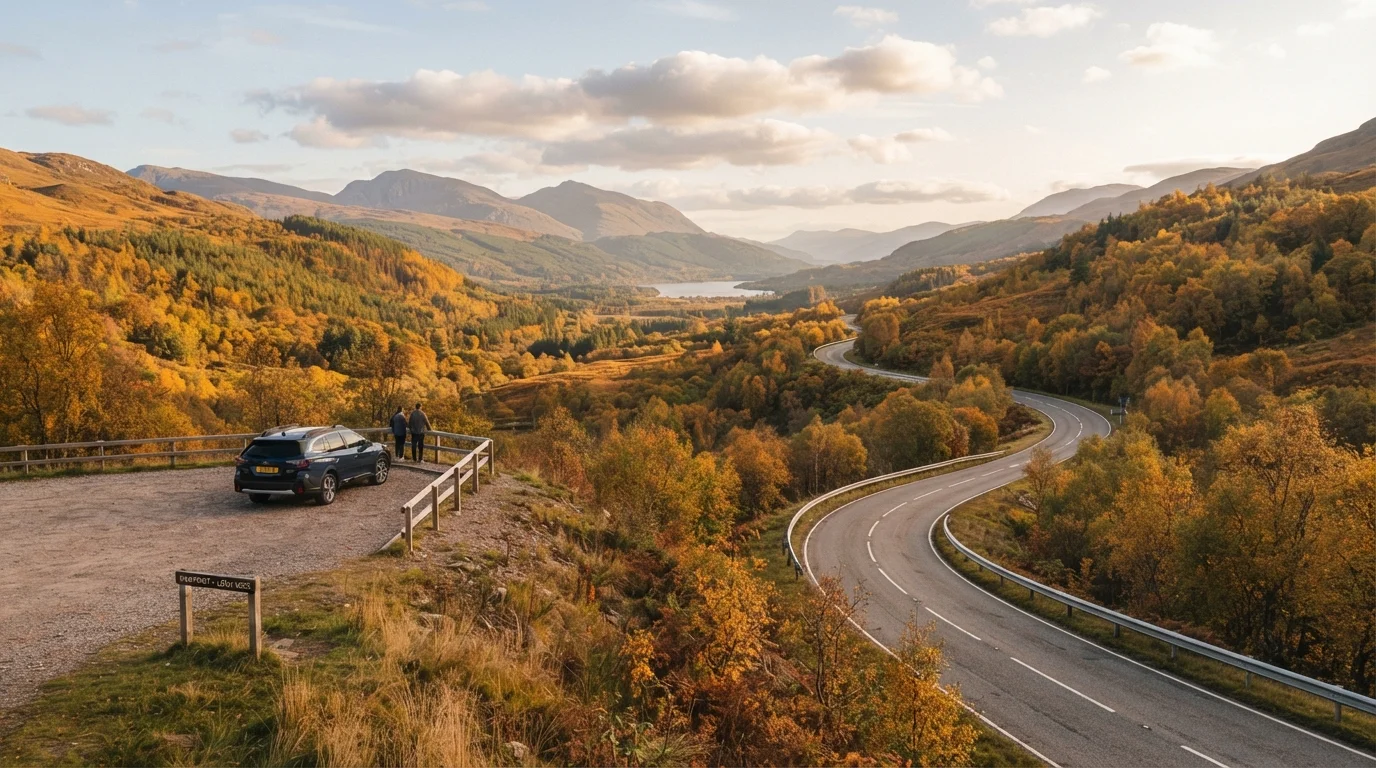
Photo credit: ExploreRoute.net | Travel Made Simple
In this article
Driving fewer kilometres per day can transform the quality of a road trip. Here's a balanced look at the trade-offs of going slow.
Key Takeaways
- Keeping daily mileage low — often under 250 miles — reduces driver fatigue and stress significantly.
- Slower pacing allows spontaneous stops that frequently become the most memorable moments of a trip.
- Lower mileage days can increase accommodation costs but often reduce fuel spending per day.
- Group dynamics and solo travel both benefit from intentional pacing, though for different reasons.
- A slower road trip may require more total days, which isn't feasible for every traveler's schedule.
Dramatically reduces driver fatigue and physical strain
Long driving days — especially over 300 miles — accumulate fatigue that carries into the next day. Shorter days allow genuine rest, keeping alertness and reaction times consistent throughout the trip.
Opens the door to spontaneous detours
When you're not racing a mileage target, a hand-painted roadside sign or an unexpected overlook becomes an opportunity rather than a delay. These unplanned stops are consistently what travelers remember most.
Enables deeper engagement with each place
Arriving mid-afternoon instead of after dark means time to walk a town, eat dinner without rushing, and wake up without immediately loading the car. Places reveal themselves differently when you actually spend time in them.
Lowers per-day fuel costs slightly
Fewer miles driven per day means less fuel burned per day, which can offer modest daily savings — though this is offset if the overall trip lengthens significantly.
Reduces navigation stress and decision fatigue
A lighter daily mileage target means fewer hours of active navigation, fewer decisions under time pressure, and a generally calmer driving environment, particularly on unfamiliar or complex routes.
Requires more total days to complete a route
Halving your daily mileage roughly doubles the days needed. For travelers with fixed vacation windows, this either shortens the overall route or makes the slow approach impractical.
Increases total accommodation costs
More nights of lodging directly raises total trip expenditure. On routes with limited budget options, this cost increase can be substantial and may outweigh fuel savings.
Can create group tension if expectations aren't aligned
Travelers with different thresholds for stopping, exploring, or simply sitting still can find a slow pace frustrating if it wasn't agreed upon upfront. Pacing conversations before departure matter more than most groups anticipate.
May feel insufficiently productive for goal-oriented travelers
Some people genuinely find satisfaction in distance covered, checkboxes ticked, and an efficient itinerary executed. A slower pace can feel aimless or unsatisfying to travelers wired this way.
The Mileage Mindset and Why It Matters
Most first-time road trippers dramatically underestimate how exhausting a day behind the wheel can be. A 400-mile day looks manageable on a map — roughly six to seven hours of drive time — but factor in fuel stops, meals, traffic, and the cognitive load of navigation, and you arrive at your destination drained rather than excited.
The instinct to cover ground is understandable. Road trips are often squeezed into limited vacation windows, and the fear of "missing something" farther down the route pushes mileage upward. But there's a growing counter-argument among experienced travelers: the road itself is the destination, and going slower is what lets you actually be there.
Planning a route that rewards the journey — not just the endpoint — starts with honest daily mileage targets. For most drivers, 150–250 miles per day is a range that balances forward progress with genuine flexibility.
Dramatically reduces driver fatigue and physical strain
Long driving days — especially over 300 miles — accumulate fatigue that carries into the next day. Shorter days allow genuine rest, keeping alertness and reaction times consistent throughout the trip.
Opens the door to spontaneous detours
When you're not racing a mileage target, a hand-painted roadside sign or an unexpected overlook becomes an opportunity rather than a delay. These unplanned stops are consistently what travelers remember most.
Enables deeper engagement with each place
Arriving mid-afternoon instead of after dark means time to walk a town, eat dinner without rushing, and wake up without immediately loading the car. Places reveal themselves differently when you actually spend time in them.
Lowers per-day fuel costs slightly
Fewer miles driven per day means less fuel burned per day, which can offer modest daily savings — though this is offset if the overall trip lengthens significantly.
Reduces navigation stress and decision fatigue
A lighter daily mileage target means fewer hours of active navigation, fewer decisions under time pressure, and a generally calmer driving environment, particularly on unfamiliar or complex routes.
The Real Costs of Going Slow
Slowing down isn't without its own complications. More days on the road means more nights of accommodation, which can push total trip costs upward even if daily fuel spending decreases. It also demands schedule flexibility that not every traveler has.
There's also the psychological friction of watching a planned route stretch further into the future. If you're traveling with others, differing tolerances for pace can create tension — something worth discussing before departure. Driving alone versus road tripping with others involves genuinely different pacing dynamics, and a slower itinerary can amplify both the best and worst of group travel.
Requires more total days to complete a route
Halving your daily mileage roughly doubles the days needed. For travelers with fixed vacation windows, this either shortens the overall route or makes the slow approach impractical.
Increases total accommodation costs
More nights of lodging directly raises total trip expenditure. On routes with limited budget options, this cost increase can be substantial and may outweigh fuel savings.
Can create group tension if expectations aren't aligned
Travelers with different thresholds for stopping, exploring, or simply sitting still can find a slow pace frustrating if it wasn't agreed upon upfront. Pacing conversations before departure matter more than most groups anticipate.
May feel insufficiently productive for goal-oriented travelers
Some people genuinely find satisfaction in distance covered, checkboxes ticked, and an efficient itinerary executed. A slower pace can feel aimless or unsatisfying to travelers wired this way.
Where Slow Pacing Pays Off Most
Not all roads reward the same approach equally. Interstates built for throughput offer little incentive to dawdle. But on the kinds of routes collected in hidden scenic drives — state highways tracing river valleys, forest roads climbing to high passes, coastal two-laners with pull-offs every few miles — low mileage days aren't just pleasant, they're practically required to get any value from the route at all.
Traveling a road slowly and deliberately is its own skill. It means building in unscheduled time, resisting the urge to pre-book every night's lodging, and treating an interesting roadside sign as a legitimate reason to stop. These habits compound: small detours lead to conversations, which lead to recommendations, which become the stories you tell afterward.
Seasonality Affects What Slow Travel Offers
The rewards of low-mileage days vary considerably by season and region. A slow drive through a mountain corridor in peak foliage can be transcendent; the same route in poor weather or wildfire smoke may offer little incentive to linger. Build some flexibility into your itinerary to adjust pace based on conditions rather than committing rigidly to a slow schedule regardless of circumstances. Always check current road and weather conditions before setting out on remote or high-elevation routes.
On longer trips, the economics also shift. Understanding cost per day across different trip lengths shows that extended travel often lowers certain per-day averages — though accommodation choices and route type matter enormously.
250 mi
Recommended daily max for comfortable road tripping
Many long-distance driving guides and road trip planners suggest keeping daily mileage under 250 miles to balance progress with meaningful stops and adequate rest.
11 hrs
Average waking hours consumed by a 400-mile drive day
Accounting for fuel, food, traffic, and navigation, a 400-mile day typically consumes the majority of a traveler's waking hours, leaving little time for exploration at either end.

Author
Road Trip Culture Editorial Team
Road Trip Culture Editorial Team is the collective byline for our editorial team and contributor network. Articles published under this byline or an editorial pen name are researched, written, and reviewed according to our editorial standards for clarity, consistency, and independence before publication.
View all articles →