
Vehicle Checks Worth Doing Before Any Long Drive
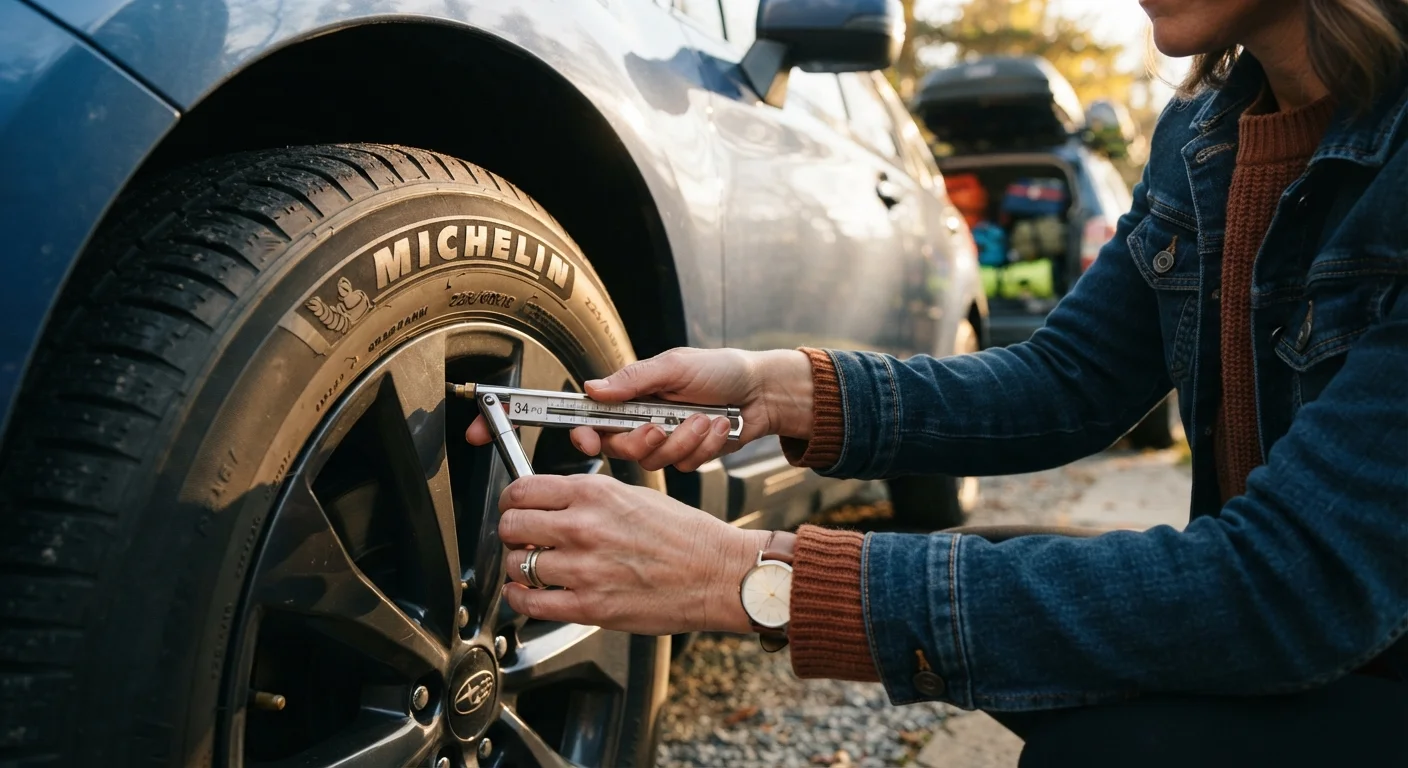
Photo credit: ExploreRoute.net | Travel Made Simple
In this article
A pre-departure checklist covering tyres, fluids, lights, brakes, and documents — straightforward steps that can prevent major problems on the road.
Key Takeaways
- Tyre pressure and tread depth are the single most impactful checks before any long drive.
- Fluid levels — oil, coolant, brake fluid, and washer fluid — should all be verified cold.
- All exterior lights must be functional; a burned bulb is both a safety and legal issue.
- Your registration, insurance card, and roadside assistance info should ride with the vehicle.
- Catching a small problem before departure is far easier than managing it on an unfamiliar road.
Why Pre-Drive Checks Matter More Than You Think
The open road rewards the prepared. Whether you're heading out on a weekend getaway or threading through a network of backcountry highways, the condition of your vehicle at departure sets the tone for everything that follows. A flat tyre 200 miles from the nearest town isn't just inconvenient — it can derail an entire trip.
This checklist is designed to be practical and repeatable. Run through it the evening before departure or first thing in the morning with the engine cold — many fluid readings are more accurate that way. If you're planning to venture off the main corridors, pair this with the scenic drive preparation checklist for terrain-specific considerations.
None of these checks require specialist tools or mechanical expertise. What they do require is about half an hour and a willingness to look before you leap.
Check Fluids With the Engine Cold
Oil and coolant readings are most accurate when the engine has been off for at least 30 minutes. Checking coolant with a hot engine can also be dangerous — pressurised systems can release scalding fluid. Make these checks your first task in the morning, before you start the car.
Tools You'll Want on Hand
You don't need a full toolbox — just a few basics to make the checks accurate and actionable.
Tyre Pressure Gauge
Gives you an accurate PSI reading for each tyre; guessing by eye is unreliable.
Penny or Tread Depth Gauge
Used to check tyre tread depth — a quick and definitive test of whether tyres are roadworthy.
Flashlight or Headlamp
Essential for inspecting brake lights, undercarriage, and fluid reservoirs in low-light conditions.
Vehicle Owner's Manual
Contains the correct fluid specifications, tyre pressure values, and warning light explanations for your specific vehicle.
Clean Rags or Paper Towels
Needed for handling the oil dipstick cleanly and wiping any spills during fluid checks.
Portable Tyre Inflator
Allows you to correct low tyre pressure at home rather than hunting for an air station before your departure.
The Full Pre-Departure Checklist
Work through each group systematically. Items marked must are non-negotiable before any highway journey; should items are strongly recommended; nice to have items add an extra layer of confidence.
Tyres
Fluids
Lights & Visibility
Brakes & Steering
Under the Hood & Warning Lights
Documents & Emergency Gear
Don't Dismiss a Check Engine Light
A check engine light doesn't always mean imminent breakdown, but it does mean your vehicle's diagnostic system has flagged something. On a short local drive, waiting might be reasonable. On a multi-day road trip far from your regular mechanic, it's a meaningful risk. Have the code read at a mechanic or auto parts store before you leave — most do this at no charge.
Once your vehicle is squared away, the next layer of preparation is the journey itself. The iconic American route preparation checklist covers offline navigation, seasonal access, and fuel planning — all the logistical details that complement your mechanical readiness. And since even a well-prepared car can't compensate for an exhausted driver, it's worth reviewing what the research says about driver fatigue before you leave the driveway.
After the Checks: What to Do If You Find a Problem
If a check reveals something concerning — low brake fluid, a tyre noticeably lower than the others, a warning light that doesn't clear — don't ignore it and hope for the best. Have the issue assessed by a qualified mechanic before departure if at all possible. Deferring a known problem rarely makes it cheaper or safer to deal with later.
If you're renting a vehicle for the trip, document any pre-existing damage in writing and photograph it before you drive off the lot. Run through the same exterior and light checks; rental vehicles aren't always serviced between every return.
Travel preparation doesn't stop at the vehicle. If your itinerary involves international legs or connecting flights, the international travel research checklist covers visas, health requirements, and logistics that are easy to overlook in the excitement of departure planning. For everything you'll want inside the car, the road trip packing list keeps things streamlined without overloading your trunk.
This article provides general vehicle preparation guidance for informational purposes. Always consult a qualified mechanic for concerns about your specific vehicle. Verify current regulations, insurance requirements, and roadside assistance terms with the relevant providers before travel.

Author
Road Trip Culture Editorial Team
Road Trip Culture Editorial Team is the collective byline for our editorial team and contributor network. Articles published under this byline or an editorial pen name are researched, written, and reviewed according to our editorial standards for clarity, consistency, and independence before publication.
View all articles →