
Why Frequent Flyers Arrive Earlier Than You'd Expect
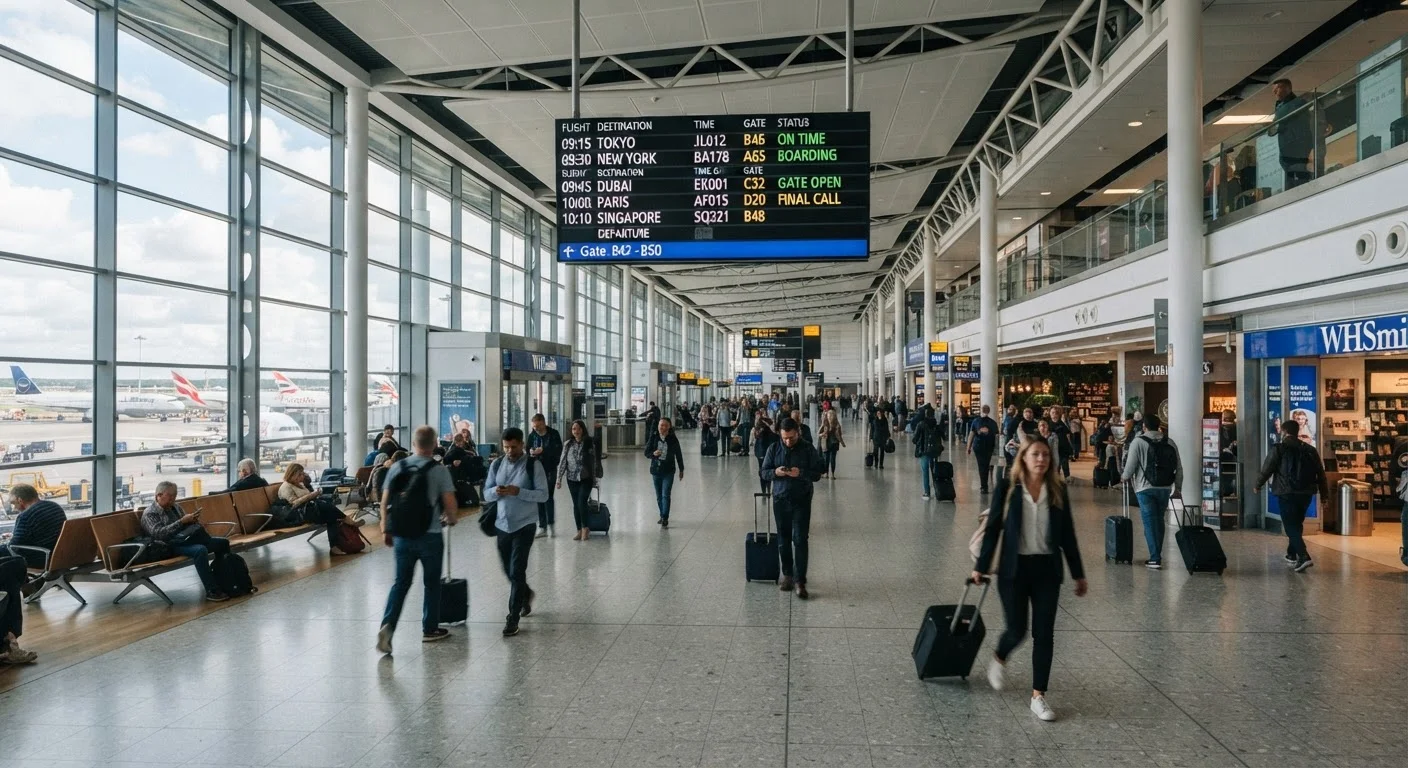
Photo credit: ExploreRoute.net | Travel Made Simple
In this article
Seasoned travellers often show up at the airport well before they need to. The reasoning behind that habit reveals a lot about how airports actually function under pressure.
Key Takeaways
- Experienced flyers build deliberate buffer time to absorb delays at check-in, security, and gate changes.
- Airport processes operate on their own timeline — not the one printed on your boarding pass.
- Arriving early converts high-stress scenarios into manageable decisions with multiple options.
- Security wait times are unpredictable and routinely catch late arrivals off guard.
- Frequent flyers treat the airport as part of the journey, not an obstacle before it.
The Buffer Time Mindset
Watch a seasoned road warrior at any major hub and you'll notice something counterintuitive: they arrive far earlier than the minimum window airlines recommend. This isn't anxiety — it's calculated strategy built from firsthand experience of what airports actually do under pressure.
Airlines typically suggest arriving two hours before domestic flights and three hours before international ones. Frequent flyers often push beyond that, particularly at large connecting hubs or during peak travel periods. The reasoning is straightforward once you understand how airport systems behave when things go wrong — which, statistically, they often do.
As part of a broader approach to airport mastery, early arrival is one of the most consistently reliable habits separating smooth travel experiences from chaotic ones. See the full picture in our end-to-end airport guide.
Where Time Actually Goes at the Airport
Most travelers mentally account for check-in and security — but they underestimate how long each step takes at an unfamiliar or congested terminal. A security lane that takes eight minutes on a quiet Tuesday morning can stretch to 45 minutes on a holiday Friday. Gate changes, terminal transfers requiring a shuttle, and passport control lines all compound unpredictably.
Many airport frustrations trace back to false assumptions about how long routine steps take. The article on common airport assumptions breaks down the beliefs most likely to cost you time or comfort.
What Early Arrival Actually Unlocks
Arriving with genuine buffer time isn't just defensive — it's actively useful. With 90 minutes before boarding, a delayed bag drop becomes an inconvenience rather than a crisis. A gate change at the opposite end of the terminal is a brisk walk, not a sprint. You have the option to grab a proper meal, confirm your seat assignment, or address a boarding pass issue at the desk without the adrenaline spike that comes with cutting it close.
First-time long-haul travelers especially benefit from this mindset before their initial extended journey. Everything first-time long-haul flyers should know covers the pre-boarding preparation that makes a real difference on extended routes.
The calm that experienced flyers project in airports isn't natural composure — it's the practical result of never being cornered by time. That buffer is something you build deliberately, starting before you leave home. Review your departure timing against your itinerary's full logistics using this pre-departure checklist to catch gaps before they become problems.

Author
Smart Air Travel Editorial Team
Smart Air Travel Editorial Team is the collective byline for our editorial team and contributor network. Articles published under this byline or an editorial pen name are researched, written, and reviewed according to our editorial standards for clarity, consistency, and independence before publication.
View all articles →