
The Honest Pros and Cons of Expedition-Style Adventure Travel
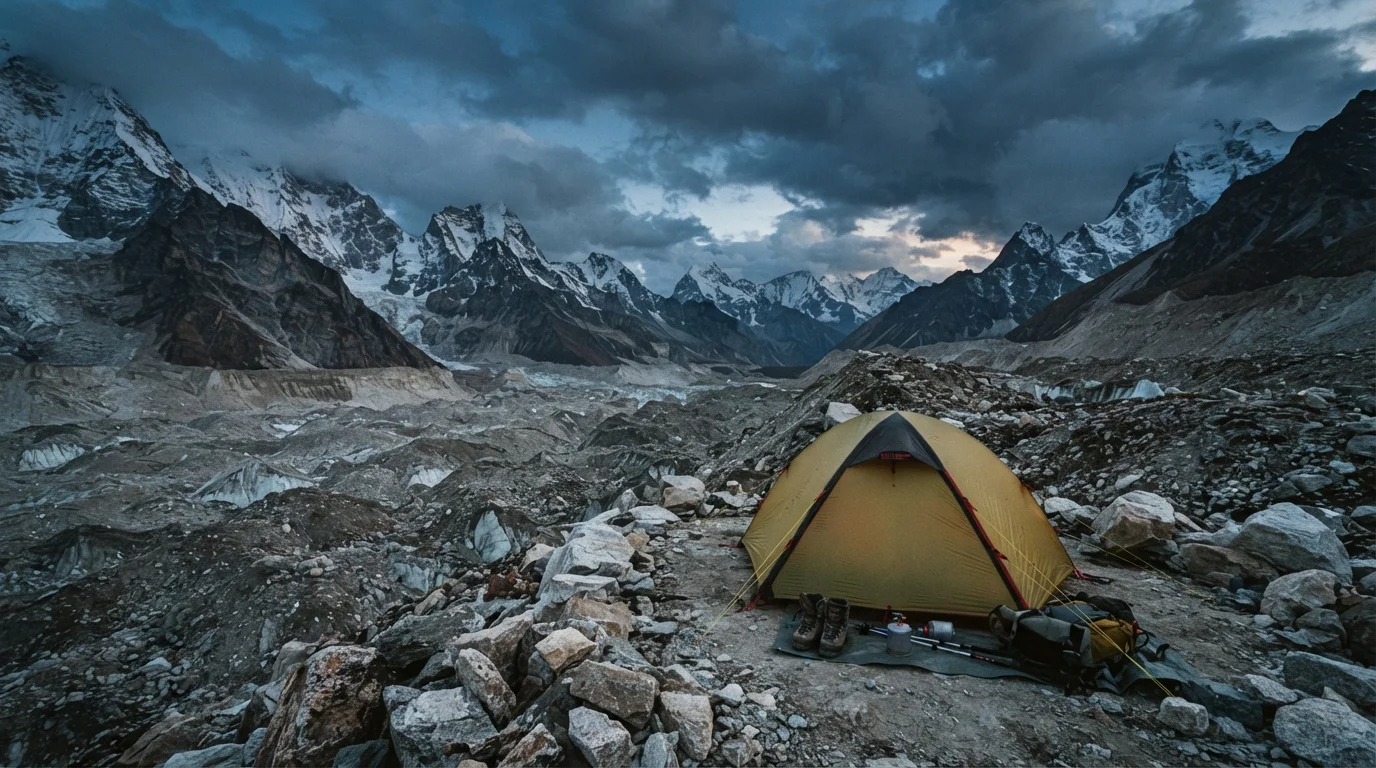
Photo credit: ExploreRoute.net | Travel Made Simple
In this article
Weeks in the field, no showers, real physical challenge — expedition travel offers depth that short trips can't match, but it comes with genuine costs.
Key Takeaways
- Expedition travel offers immersive access to remote landscapes and ecosystems that short trips cannot replicate.
- Physical demands, duration, and cost are substantial barriers that require honest self-assessment before committing.
- The psychological intensity of multi-week field travel can be as challenging as the terrain itself.
- Proper preparation — gear, fitness, and mental readiness — determines whether the experience is transformative or miserable.
- Expedition formats vary widely; choosing the right structure is as important as choosing the right destination.
Access to ecosystems unreachable by conventional travel
Expedition routes often penetrate protected or roadless wilderness where wildlife behavior, landscape scale, and ecological integrity are qualitatively different from accessible areas. This level of access is a primary driver for serious expedition travelers.
Deep psychological and personal development
Extended time under genuine challenge — physical, navigational, environmental — produces a caliber of self-knowledge and resilience that short-duration trips rarely match. Many expedition veterans describe permanent shifts in their perception of risk, capacity, and what constitutes necessity.
Exceptional quality of human connection
Shared hardship and interdependence in remote settings build trust and relationships at a speed and depth that everyday environments rarely allow. Small expedition groups often form lasting bonds precisely because the stakes are real.
Genuine disconnection from digital life
Satellite communication aside, most expedition environments enforce a meaningful break from constant connectivity. For many travelers, this enforced disconnection is itself a primary motivation and a measurable benefit.
Contribution to scientific and conservation knowledge
Many expedition-format trips operate in collaboration with research institutions or conservation organizations, allowing participants to contribute to biodiversity surveys, climate monitoring, or route documentation with real scientific value.
High financial cost and extended time commitment
Logistics, specialist equipment, permits, and guide fees for remote expedition travel frequently reach five figures for a single trip. Combined with two to six weeks of required leave, the format is inaccessible for most working adults.
Significant physical demands and injury risk
Expedition travel routinely involves sustained cardiovascular output, load-bearing across technical terrain, and environmental exposure that carry genuine injury risk. Medical evacuation from remote locations is expensive, slow, and not always possible.
Psychological strain of prolonged isolation
Weeks away from family, reliable communication, and familiar environments can produce anxiety, interpersonal conflict, and decision fatigue that compound as a trip progresses. This is a factor that pre-trip enthusiasm tends to underestimate.
Environmental and cultural impact at scale
As expedition travel grows in popularity, previously untouched areas face cumulative impacts from waste, trail erosion, and cultural disruption. Responsible participation requires active engagement with Leave No Trace principles and community protocols.
Logistical complexity and dependency on external factors
Weather, political instability, permit changes, and resupply failures are variables that can alter or cancel an expedition regardless of preparation. The tolerance for plan-breaking uncertainty is a genuine prerequisite for the format.
What Expedition Travel Actually Is
Expedition-style adventure travel sits at the far end of the adventure spectrum — multi-day or multi-week journeys into genuinely remote terrain, typically with minimal infrastructure, significant physical output, and a high tolerance for uncertainty built into the itinerary. It's distinct from a challenging trekking holiday or a liveaboard dive trip. Think extended traverses of mountain ranges, river-source expeditions, polar crossings, or overland routes through wilderness areas with no reliable resupply.
For a fuller picture of how this fits within the broader category, see how adventure travel as a whole is defined and categorized. Understanding the spectrum helps clarify where expedition travel begins and what separates it from more accessible formats.
The Real Advantages
The case for expedition travel is compelling when the fit is right.
Access to ecosystems unreachable by conventional travel
Expedition routes often penetrate protected or roadless wilderness where wildlife behavior, landscape scale, and ecological integrity are qualitatively different from accessible areas. This level of access is a primary driver for serious expedition travelers.
Deep psychological and personal development
Extended time under genuine challenge — physical, navigational, environmental — produces a caliber of self-knowledge and resilience that short-duration trips rarely match. Many expedition veterans describe permanent shifts in their perception of risk, capacity, and what constitutes necessity.
Exceptional quality of human connection
Shared hardship and interdependence in remote settings build trust and relationships at a speed and depth that everyday environments rarely allow. Small expedition groups often form lasting bonds precisely because the stakes are real.
Genuine disconnection from digital life
Satellite communication aside, most expedition environments enforce a meaningful break from constant connectivity. For many travelers, this enforced disconnection is itself a primary motivation and a measurable benefit.
Contribution to scientific and conservation knowledge
Many expedition-format trips operate in collaboration with research institutions or conservation organizations, allowing participants to contribute to biodiversity surveys, climate monitoring, or route documentation with real scientific value.
Access is the defining advantage. Expedition formats reach places that day visitors, tour groups, and even committed trekkers rarely encounter. Ecological integrity, wildlife density, and landscape scale are often dramatically higher in areas that require genuine commitment to reach. This is not aesthetics — it is a fundamentally different category of experience.
The relational dimension is also underrated. Shared hardship in remote environments builds a different quality of connection between travel companions than almost any other format. Many expedition travelers cite the people they met in the field as among the most meaningful relationships formed through travel.
The Honest Disadvantages
Expedition travel carries real costs that deserve direct acknowledgment before anyone commits time, money, and physical wellbeing to the format.
High financial cost and extended time commitment
Logistics, specialist equipment, permits, and guide fees for remote expedition travel frequently reach five figures for a single trip. Combined with two to six weeks of required leave, the format is inaccessible for most working adults.
Significant physical demands and injury risk
Expedition travel routinely involves sustained cardiovascular output, load-bearing across technical terrain, and environmental exposure that carry genuine injury risk. Medical evacuation from remote locations is expensive, slow, and not always possible.
Psychological strain of prolonged isolation
Weeks away from family, reliable communication, and familiar environments can produce anxiety, interpersonal conflict, and decision fatigue that compound as a trip progresses. This is a factor that pre-trip enthusiasm tends to underestimate.
Environmental and cultural impact at scale
As expedition travel grows in popularity, previously untouched areas face cumulative impacts from waste, trail erosion, and cultural disruption. Responsible participation requires active engagement with Leave No Trace principles and community protocols.
Logistical complexity and dependency on external factors
Weather, political instability, permit changes, and resupply failures are variables that can alter or cancel an expedition regardless of preparation. The tolerance for plan-breaking uncertainty is a genuine prerequisite for the format.
One dimension that is consistently underestimated is the psychological load. Weeks without reliable communication, variable weather, physical exhaustion, and confined group dynamics create stressors that can accumulate in ways that no amount of pre-trip enthusiasm prepares you for. The choice between going solo or joining a guided expedition shapes these dynamics significantly — it's a decision that deserves careful thought before departure.
68%
Expedition travelers citing mental challenge as harder than physical
According to a survey published by the Adventure Travel Trade Association, psychological resilience consistently ranks as a greater barrier than physical fitness among experienced expedition participants.
3–6 weeks
Typical duration of a serious wilderness expedition
Most routes classified as expedition-grade — polar traverses, mountain range crossings, river-source journeys — require a minimum of three weeks in the field to complete safely with appropriate acclimatization.
Preparation Separates Good Expeditions from Dangerous Ones
The margin between a formative expedition and a dangerous one is almost always preparation. Fitness, gear selection, navigation competency, wilderness first aid knowledge, and an honest assessment of the team's collective experience level are non-negotiable factors — not aspirational ones.
Seasonality adds another variable. Remote wilderness areas are often accessible only within narrow windows, and off-season access introduces risks that require specific skills and risk tolerance. The trade-offs of accessing remote wilderness outside peak season are worth understanding before planning around non-standard timing.
For those ready to move from planning to packing, a terrain-tested packing checklist built for multi-environment adventure trips provides a practical foundation. Gear choices at the expedition level carry real consequences — redundancy and weight management require disciplined trade-offs.
Guided vs. Self-Organized Expeditions
The structure of your expedition fundamentally shapes every risk and reward described here. Guided expeditions distribute logistical burden and often include medical and safety support, while self-organized trips demand far greater personal competency across navigation, wilderness medicine, and resupply planning. Neither format is inherently superior — the right choice depends on experience level, team composition, and the specific demands of the terrain. For a detailed breakdown, consider how solo and guided expedition formats compare before committing to either approach.
This article provides general information about expedition travel and does not constitute safety, medical, or professional outdoor guidance. Always consult qualified expedition leaders, wilderness medicine professionals, and relevant government travel advisories before undertaking remote travel.

Author
Specialty Travel Editorial Team
Specialty Travel Editorial Team is the collective byline for our editorial team and contributor network. Articles published under this byline or an editorial pen name are researched, written, and reviewed according to our editorial standards for clarity, consistency, and independence before publication.
View all articles →