
Desert Stays: Adapting to Extreme Environments as a Traveler
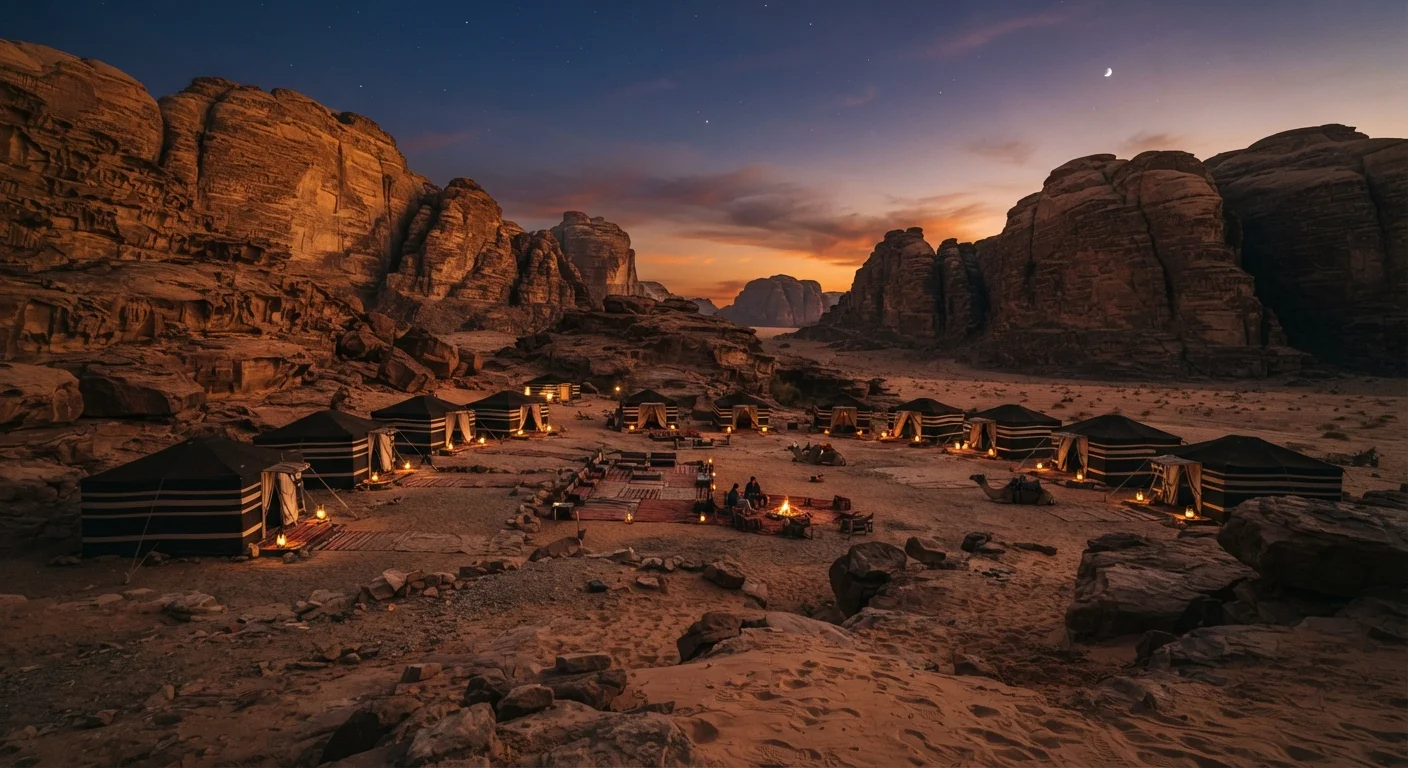
Photo credit: ExploreRoute.net | Travel Made Simple
In this article
Desert lodging comes with unique climate, infrastructure, and safety realities. Know what to expect before heading into arid terrain.
Key Takeaways
- Desert lodging ranges from luxury eco-camps to basic guesthouses, each with distinct infrastructure trade-offs.
- Daytime heat and nighttime cold swings of 40°F or more are common and require layered packing strategies.
- Water scarcity and limited power are structural realities in most remote desert stays, not inconveniences.
- Sand and dust can damage electronics and affect sleep quality — protective gear matters.
- Always verify safety advisories, entry requirements, and health precautions with official sources before traveling.
What Makes Desert Accommodation Different
Staying in a desert is not simply a matter of choosing a hotel in a warm, dry place. The environment imposes conditions that reshape every aspect of lodging — from how a building is designed to how water reaches your tap. Understanding that difference before you book is the foundation of a successful desert trip.
Desert regions share several defining characteristics: low annual rainfall (typically under 10 inches), intense solar radiation, and dramatic temperature variation between day and night. These aren't incidental features — they drive every practical decision a desert property must make about construction, energy, water management, and guest safety.
For travelers already comfortable navigating mainstream destinations, the shift to a desert setting is an exercise in recalibrating expectations. The terrain-specific lodging comparison across deserts, jungles, and arctic zones illustrates just how differently each environment shapes the stay experience.
Passive cooling
A building design approach that uses natural airflow, thermal mass, and strategic shading to regulate indoor temperature without mechanical air conditioning.
Thermal mass
The ability of a material — such as thick stone or adobe walls — to absorb heat during the day and slowly release it at night, moderating indoor temperature swings.
Potable water
Water that is safe to drink without additional treatment. In many desert regions, tap water may not be potable and bottled or filtered water is recommended.
UV index
A standardized scale measuring the intensity of ultraviolet radiation from the sun at a given location. High UV index values indicate greater risk of sunburn and skin damage.
Glamping
A form of camping that incorporates more comfortable or luxurious amenities — such as furnished tents, beds, and electricity — while still placing guests in an outdoor setting.
Off-grid
A property or location that operates independently of public utility infrastructure, typically relying on solar panels, generators, and stored water rather than municipal connections.
Types of Desert Lodging and What Each Demands
Desert accommodations span a wide spectrum, and each category carries its own practical implications.
- Luxury eco-camps: Often the most thoughtfully engineered for desert conditions. These properties use passive cooling architecture, solar arrays, and structured water conservation. They provide comfort without disconnecting you from the landscape — but they come with a premium price and, often, minimum-stay requirements.
- Traditional guesthouses and riads: Found in destinations like Morocco's medinas or Jordan's smaller towns, these properties draw on centuries of desert-adapted architecture — thick walls, interior courtyards, and minimal windows on sun-facing sides. They're practical, culturally immersive, and typically affordable.
- Remote glamping sites: Platforms and canvas structures positioned for landscape access. These vary dramatically in quality. Confirm what's actually provided (bedding, shade structures, access to facilities) before committing. See the unique stays hub for context on what unconventional lodging categories typically include.
- Self-catering desert cabins: Popular in the American Southwest, these properties demand more self-sufficiency. Grocery resupply may be an hour or more away, and many rely on propane or solar for energy.
Matching lodging type to your comfort level with self-sufficiency is as important as matching it to your budget.
Climate Realities: Heat, Cold, Wind, and Dust
The climate variables in a desert environment are more extreme — and more varied — than most travelers anticipate.
Heat: Midday temperatures in low-elevation deserts regularly exceed 100°F in summer. Shade, hydration, and avoiding outdoor activity between roughly 11 a.m. and 4 p.m. are standard practice, not suggestions.
Cold nights: The same thermal dynamics that allow heat to build rapidly during the day cause it to radiate away quickly after sunset. A day that peaks at 95°F may drop to 55°F or lower overnight. Packing a warm layer — even in summer — is non-negotiable.
Wind and sandstorms: Desert winds can arrive with little warning and carry significant amounts of fine particulate matter. Sand infiltrates electronics, lenses, and luggage. Dust-protective bags and cases for cameras and phones are worth every dollar. Properties in exposed locations may have wind protocols — ask about them.
UV intensity: High-altitude deserts compound sun exposure with thinner atmosphere. Even at lower elevations, desert UV levels are severe. Broad-spectrum sunscreen, UV-protective clothing, and a wide-brimmed hat are baseline gear.
Pack for Both Extremes, Not Just the Heat
A common desert packing mistake is over-optimizing for daytime temperatures and ignoring the cold. Bring a mid-layer fleece or lightweight down jacket regardless of the season. If you're traveling to a high-elevation desert, the temperature contrast between day and night can be even more severe — similar to the considerations described in our guide to high-altitude stays.
Infrastructure, Water, and Power Limitations
Infrastructure assumptions that hold in urban travel often don't apply in desert settings. Managing these expectations practically — not just philosophically — makes the difference between a satisfying trip and a frustrating one.
Water: Scarcity is structural. Many desert properties carefully ration water use and will ask guests to participate — shorter showers, no laundry, limited pool hours. This is not poor service; it reflects honest resource management. Bringing a large-capacity, reusable water bottle is standard practice. Verify whether tap water is potable at your specific property and destination.
Power: Remote properties often rely on solar or generator power. Power outages, scheduled generator shutdowns overnight, and limited charging capacity are common. Carry a high-capacity power bank and prioritize which devices actually need charging.
Connectivity: Satellite internet has improved coverage in many remote areas, but expect slower speeds and potential dead zones. If you're traveling for work, confirm connectivity specifics with the property directly — do not assume.
Road access: Many desert properties require high-clearance or four-wheel-drive vehicles to reach. Confirm road conditions, especially after rain, which can make desert tracks impassable. Road trip planning resources can help with vehicle preparation for remote-access destinations.
Health, Safety, and Preparation Essentials
Desert travel carries genuine health and safety considerations that deserve direct attention rather than reassurance.
Dehydration and heat illness: These are the most common risks for desert travelers. Symptoms of heat exhaustion — heavy sweating, weakness, rapid pulse — can escalate to heatstroke if not addressed promptly. Drinking water consistently, not just when thirsty, and identifying shaded rest points are core habits.
Wildlife: Desert ecosystems support scorpions, venomous snakes, and in some regions, spiders. Shake out shoes before putting them on. Don't reach into crevices or under rocks. Familiarize yourself with the specific wildlife profile of your destination before arriving.
Navigation: Disorientation in featureless terrain is a real hazard. Carry a physical map and compass as backup to GPS. Inform your accommodation of planned day routes and expected return times.
Ethical behavior in desert environments also matters. The Leave No Trace principles for extreme environments article addresses how standard outdoor ethics need modification for desert and other arid landscapes.
Never Underestimate Desert Remoteness
Emergency services in remote desert areas may be hours away, and mobile coverage is often nonexistent. Always ensure someone outside your travel group knows your itinerary and expected check-in times. Some properties provide satellite communication devices — if yours does, understand how to use it before you need it.
This article is for general informational purposes only. Always verify health precautions, entry requirements, and safety advisories with your government's official travel authority and a qualified healthcare provider before traveling to desert regions.
Frequently Asked Questions

Author
Where to Stay Editorial Team
Where to Stay Editorial Team is the collective byline for our editorial team and contributor network. Articles published under this byline or an editorial pen name are researched, written, and reviewed according to our editorial standards for clarity, consistency, and independence before publication.
View all articles →