
Port Towns as Destinations in Their Own Right: A First-Timer's Orientation
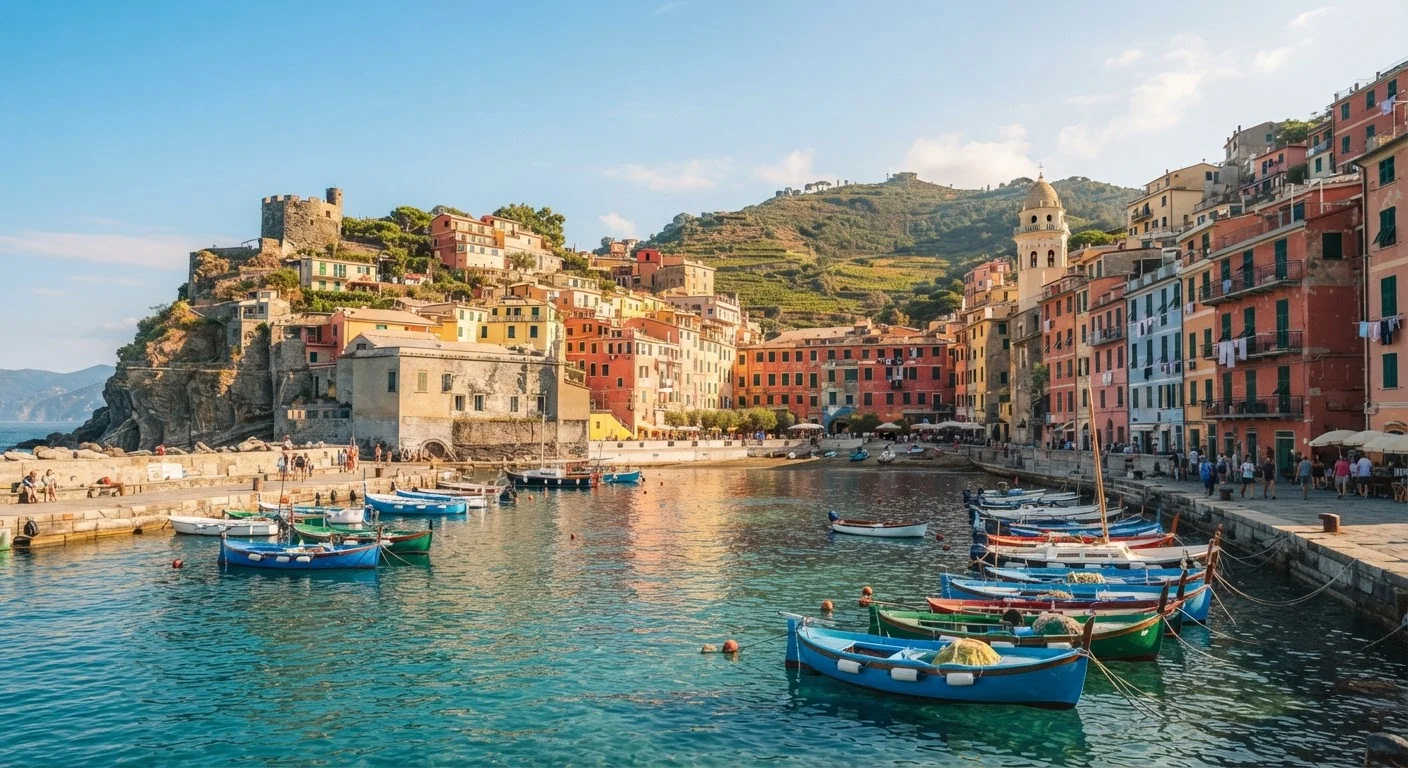
Photo credit: ExploreRoute.net | Travel Made Simple
In this article
If you've never explored beyond the cruise terminal before, this guide walks you through how port towns work and what to expect.
Key Takeaways
- Port towns are living communities, not just cruise stopovers — treat them accordingly.
- The area immediately around a cruise terminal rarely represents the full character of a town.
- Arrival logistics vary widely; some ports require a small-boat tender transfer to reach shore.
- Local currency, payment norms, and tipping customs differ by region — research in advance.
- Ship departure times are absolute — build in a buffer and always know your all-aboard time.
- A small amount of advance research dramatically improves the quality of any port day.
What a Port Town Actually Is
A port town is, at its core, a working community built around maritime access — commerce, fishing, ferry connections, and yes, cruise traffic. What distinguishes port towns from purely tourist destinations is that they continue to function as real places long after the ships leave. Residents shop, work, and eat there year-round, which means the cruise terminal is often just one small corner of a much richer environment.
For cruisers, this distinction matters. The towns on your itinerary aren't simply backdrop; they're layered communities with distinct histories, cuisines, and neighborhood rhythms. Whether you're docking in a Caribbean capital, an Azorean island town, or a centuries-old Adriatic harbor, understanding that framing changes how you engage with the place. For a broader look at the range of port experiences across different ocean regions, the Cruise Itineraries hub is a useful starting point.
Port of call
A scheduled stop on a cruise itinerary where the ship docks or anchors and passengers have time ashore before the voyage continues.
Tender port
A port where the ship cannot dock directly at a pier, so passengers travel to shore in small shuttle boats called tenders.
All-aboard time
The mandatory deadline by which all passengers must return to the ship before it departs; typically 30–60 minutes before the scheduled sailing time.
Terminal zone
The commercial area immediately surrounding the cruise pier, usually developed for tourist traffic and not representative of the wider town.
Shore excursion
An organized tour or activity offered for purchase during a port stop, either through the cruise line or independent local operators.
Independent exploration
Leaving the ship and navigating a port town on your own terms, without a pre-arranged tour — requiring more personal planning but offering greater flexibility.
Getting Off the Ship and Finding Your Footing
Disembarkation varies more than most first-timers expect. At some ports you walk directly from the gangway onto a working pier or a cruise terminal building. At others — known as tender ports — the ship anchors offshore and you travel to shore in small shuttle boats, a process that can add 20–30 minutes each way and is subject to weather delays. Understanding which type of arrival to expect is the first planning step for any port day. Our dedicated guide covers what a tender port involves and how to prepare in full.
Once ashore, the terminal zone — the commercial strip immediately adjacent to the pier — is almost never representative of the town itself. It typically features souvenir shops and chain restaurants calibrated for cruise traffic. Note its location for your return, then orient toward the town proper. Look for a main square, a covered market, or a local transit hub as your first landmark.
Take a Photo of the Pier Area Before You Leave
As you walk away from the terminal, take a quick photo of the pier entrance, any signage, and the surrounding street. When you're navigating back under time pressure, that visual reference is far more reliable than memory alone. Also note the name of the dock or terminal building — taxi drivers and locals can point you in the right direction if you have it.
Reading the Town Beyond the Tourist Zone
Every port town has a gradient: densest tourist infrastructure nearest the pier, more authentic local life a few blocks in. Markets, bakeries, neighborhood churches, and public plazas used by residents are reliable indicators that you've crossed into the town's actual character. The shift can happen within a five-minute walk.
This applies across all cruise regions. In the Mediterranean, walled historic centers and hillside lanes frequently begin just beyond the waterfront promenade. In the Caribbean, local rum shops, fish markets, and bus terminals often sit one street back from the tourist-facing strip. For specific guidance on uncovering those quieter corners, hidden coastal neighborhoods in Mediterranean ports is worth reading before your voyage. Travelers who prefer an entirely unguided approach will also find value in arriving in an unfamiliar small town without a tour group.
Practical Essentials Before You Step Ashore
Three practical areas reward advance preparation: currency, transport, and safety context.
- Currency and payments: Card acceptance varies dramatically by region and by vendor type. Local transport, street food stalls, and smaller markets almost always prefer cash. Knowing the local currency and having a modest amount on hand is standard preparation. Our reference guide on port currency, tipping, and payment norms covers the specifics by region.
- Local transport: Taxis, tuk-tuks, local buses, and ferries each have their own pricing norms and reliability considerations. Understanding which options exist — and roughly what they cost — prevents being overcharged or stranded.
- Entry requirements and safety: Some destinations require documentation beyond your ship ID for shore visits, and local laws can differ significantly from those at home. Always verify current entry and safety information through your government's official travel advisory site before departure, as conditions change.
The Ship Will Leave Without You
All-aboard times are enforced without exception. Build a minimum 30-minute buffer into your return journey from wherever you are in town, and account for delays in local transport, tender queues, or unexpected road traffic. Keep the ship's local port agent contact number saved on your phone — it's your lifeline if something goes wrong and you need to coordinate reaching the next port independently.
Making the Most of Limited Shore Time
A typical port day runs six to ten hours, but tender transfers, walk times, and the mandatory buffer before all-aboard can compress usable exploration time considerably. Choosing one or two areas to explore well consistently beats attempting to see everything. Depth over breadth is the experienced cruiser's mantra ashore.
Research before arrival pays outsized dividends. Knowing which neighborhood to prioritize, which local dish to seek out, and what the realistic transit time is between the pier and a particular site means you spend your hours experiencing rather than deciding. Our practical guide on researching a port you've never visited walks through exactly how to build that knowledge base efficiently.
Common missteps — from underestimating return journey time to falling into tourist-trap dining — are predictable and avoidable. The article port days that go wrong catalogs the most frequent errors and how to sidestep them, and is worth reading alongside this orientation before your first port call.
Port Towns Change Character by Season
Many port towns see their infrastructure and services shift significantly between peak and off-season cruise periods. Restaurants may operate reduced hours, local transport schedules can thin out, and some attractions close entirely outside high season. Confirming opening hours and transport availability for your specific travel dates — rather than relying on general guides — is a small step that prevents real disappointment ashore.
Frequently Asked Questions

Author
Cruise Journeys Editorial Team
Cruise Journeys Editorial Team is the collective byline for our editorial team and contributor network. Articles published under this byline or an editorial pen name are researched, written, and reviewed according to our editorial standards for clarity, consistency, and independence before publication.
View all articles →