
Before You Go: A Pre-Visit Checklist for Obscure Historic Sites
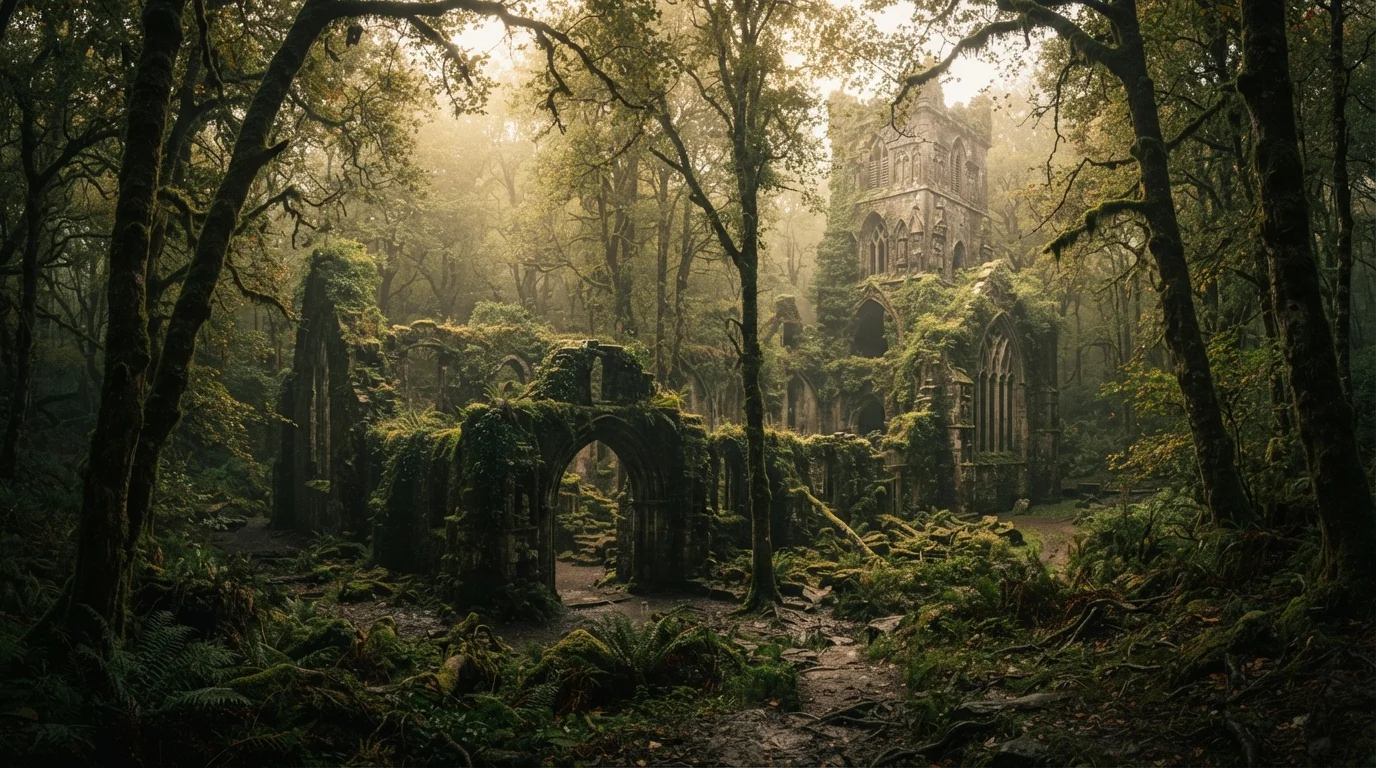
Photo credit: ExploreRoute.net | Travel Made Simple
Verify permits, check seasonal conditions, research local customs, and confirm emergency contacts. Use this checklist before heading to any remote ruin.
Key Takeaways
- Permit requirements for obscure sites are often undocumented online — always contact the managing authority directly.
- Seasonal access can close even well-known ruins for months; lesser-known sites offer even less warning.
- Local cultural protocols at heritage sites vary widely and must be researched before arrival, not on-site.
- Emergency services may be an hour or more away from remote ruins — prepare accordingly.
- Ethical visitation means leaving no trace and avoiding physical contact with fragile structures.
Why Obscure Sites Demand More Preparation, Not Less
A ruin without crowds is rarely a ruin without complications. The sites that have slipped off mainstream travel radars — a crumbling Byzantine monastery accessible only by a logging road in rural Georgia, a pre-Columbian earthwork buried in a Mississippi floodplain, a forgotten colonial fortification reclaimed by jungle in Belize — tend to lack the infrastructure that makes popular heritage destinations feel forgiving. No visitor center, no interpretive signage, no ranger on shift. Just you, incomplete information, and a place that has been quietly outlasting human attention for centuries.
That asymmetry is precisely what makes these visits so rewarding. It is also what makes arriving unprepared genuinely risky — to your safety and to the site itself. Our guide to visiting a forgotten ruin responsibly covers the ethical and practical landscape in depth; this checklist distills the most essential pre-visit actions into a sequence you can work through before you leave home.
Use the tools and checklist below to audit your readiness. If you are planning your very first visit to a lesser-known ruin, the planning guide for off-radar archaeological sites will give you a fuller framework to work within.
Offline Maps App (e.g., Maps.me or Gaia GPS)
Download detailed topographic maps of the approach route and site area before losing cellular signal.
Satellite Communicator or PLB
Send emergency signals and share your location from areas with no cellular coverage.
Heritage Authority Contact Directory
Locate the managing body for the site to confirm access, permits, and any current restrictions.
Regional Academic or Heritage Forum
Find recent firsthand accounts of site conditions from researchers and experienced visitors.
Working Through the Checklist
The five groups below move in roughly the order you should address them — starting with access and legal questions that could halt your trip entirely, and ending with the ethical commitments that protect the site for whoever visits next. A few items, particularly those in the Safety group, should be revisited the day before departure rather than weeks in advance, because conditions at remote sites can shift quickly.
Always Verify Entry Requirements with Official Sources
Visa conditions, border rules, and site-specific entry requirements change without notice. Do not rely on travel blogs, social media posts, or even this checklist as a definitive source for legal entry conditions. Always confirm with the relevant embassy, consulate, or official heritage authority before you travel.
For sites accessed via dramatically remote or elevated terrain, the preparation logic overlaps meaningfully with what we cover in preparing to visit an unmarked natural area — particularly around navigation tools and emergency communication. If your target ruin sits deep in wilderness, treat that checklist as a companion document.
Access & Permits
Seasonal & Site Conditions
Research & Cultural Context
Safety & Emergency Preparedness
Ethical Visitation
Permit Status Changes Frequently
Access rules at obscure sites can shift with little public notice — a site open last season may now require a permit, have a quota, or be temporarily closed due to conservation work. Verify directly with the managing authority within two weeks of your planned visit, not months in advance.
Heritage Law Applies Even Without Signage
The absence of a fence, warden, or warning sign does not mean a site is unprotected. Most countries with significant archaeological heritage have national laws prohibiting the removal, disturbance, or damage of historic material. Penalties can include fines and criminal charges. When in doubt, treat everything as protected.
Finally, before you finalize any route, it is worth reading the honest case for early-adopter heritage travel — because understanding both the privilege and the responsibility of visiting an undiscovered site will make every item on this checklist feel less like a burden and more like an act of stewardship.

Author
Hidden Destinations Editorial Team
Hidden Destinations Editorial Team is the collective byline for our editorial team and contributor network. Articles published under this byline or an editorial pen name are researched, written, and reviewed according to our editorial standards for clarity, consistency, and independence before publication.
View all articles →