
Extended-Stay Hotels and Aparthotels: A Practical Comparison
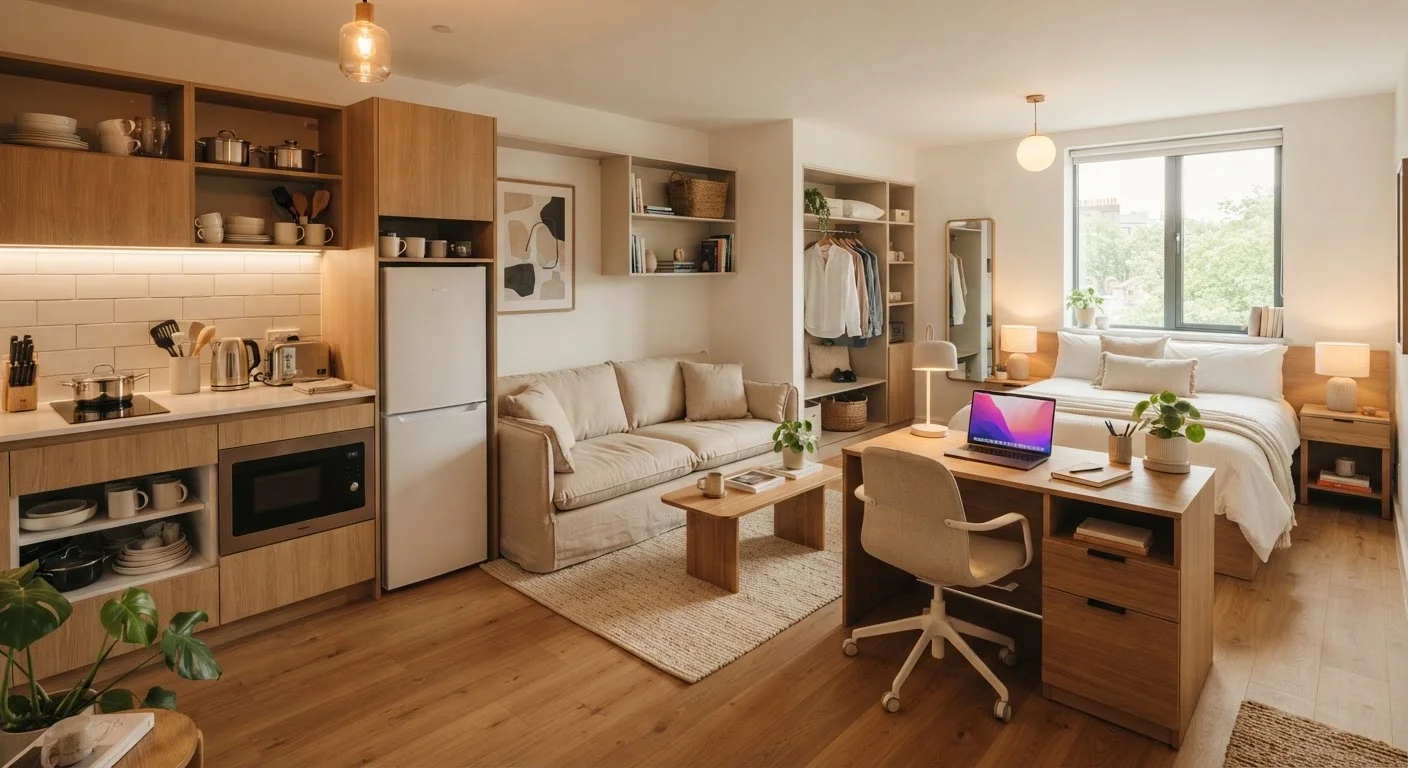
Photo credit: ExploreRoute.net | Travel Made Simple
In this article
Week-long or month-long trips change what you need from accommodation. How extended-stay hotels and aparthotels differ in practice.
Key Takeaways
- Extended-stay hotels prioritize services and points programs; aparthotels prioritize residential-style space and independence.
- Trips lasting a week or more reveal differences in cost structure, kitchen access, and daily livability.
- Remote workers, relocating professionals, and families tend to benefit most from aparthotel formats.
- Brand loyalty perks and daily housekeeping matter more in traditional extended-stay hotels.
- Neither format suits everyone — the right choice depends on how you actually live while traveling.
What Separates These Two Categories
The terms "extended-stay hotel" and "aparthotel" are sometimes used interchangeably, but they describe meaningfully different lodging philosophies. An extended-stay hotel is a branded property — often affiliated with a major hospitality group — designed for stays of a week or longer. It typically includes a kitchenette or small kitchen, weekly housekeeping, and access to hotel amenities like fitness centers and front-desk services. Think of it as a standard hotel that has been scaled toward longer occupancy.
An aparthotel (short for apartment-hotel) prioritizes residential form over hotel function. Units are typically larger, laid out like studio or one-bedroom apartments, and include full or near-full kitchen facilities. Communal amenities are lighter, and daily or even weekly housekeeping may be limited or opt-in. The emphasis is on self-sufficiency over service.
For travelers trying to match their trip type to the right hotel style, this distinction matters enormously once the stay extends beyond five or six nights.
| Extended-Stay Hotel | Aparthotel | |
|---|---|---|
| Typical unit size | 400–550 sq ft | 550–900+ sq ft |
| Kitchen facilities | Kitchenette (microwave, mini-fridge, cooktop) | Full kitchen with oven and full appliances |
| Housekeeping | Weekly or limited daily | Weekly or on-request only |
| Loyalty program integration | Common — major brand affiliations | Rare — mostly independent or boutique brands |
| On-site services | Front desk, fitness center, sometimes pool | Minimal — reception may have limited hours |
| Best for stay length | 1–4 weeks | 2 weeks to several months |
| Residential feel | Moderate | High |
Cost Structure and Value Over Time
Both formats typically offer discounted weekly or monthly rates compared to nightly pricing, but they structure that value differently. Extended-stay hotels often integrate with loyalty programs, meaning longer stays can accumulate points redeemable for future travel — an advantage for frequent business travelers with established brand relationships.
Aparthotels tend to price closer to the rental market the longer you stay. For a 30-night booking, the per-night cost can drop substantially, sometimes approaching short-term rental rates. However, charges for parking, laundry, and optional services can add up if not factored in upfront.
~30%
Typical savings on monthly vs. nightly rates
Extended-stay and aparthotel properties commonly advertise discounts in this range for 30-night bookings, though actual rates vary by market and property.
2–3x
Average daily food cost reduction with kitchen access
Industry hospitality research suggests guests with full kitchen access spend significantly less on food per day compared to hotel guests relying on restaurants.
One underappreciated cost variable: food. A full kitchen allows guests to prepare most meals, which changes the financial math significantly on stays of two weeks or more. Extended-stay kitchenettes — typically featuring a microwave, mini-fridge, and compact cooktop — accommodate basic meal prep but not serious cooking. Aparthotels with full-size appliances open the door to a more genuinely residential food routine.
Daily Livability and Space
A hotel room that works for two nights becomes a constraint by day ten. Extended-stay hotels mitigate this somewhat with modest living areas and dedicated work zones, but square footage remains limited compared to residential apartments. If you're sharing the space with a partner, colleague, or child, the difference in layout between a 400-square-foot extended-stay room and a 650-square-foot aparthotel unit is felt in everyday routine — where you eat, where you work, and whether you have somewhere to simply sit that isn't the bed.
Aparthotels are architecturally closer to furnished rentals. Separate sleeping and living zones are more common, and storage is typically more generous. For travelers between leases, on temporary assignments, or managing a medical situation requiring extended proximity to a city, this distinction has real quality-of-life consequences. That said, service infrastructure is thinner: concierge support, room service, and on-site dining are rare or absent in most aparthotel formats.
Check Laundry Access Before You Book
On stays longer than five days, in-unit or on-property laundry becomes a practical necessity rather than a convenience. Extended-stay hotels often include shared laundry facilities; aparthotels may offer in-unit washers, shared machines, or none at all. Confirm this detail directly with the property before committing, as listing descriptions are not always accurate on this point.
Who Each Format Actually Suits
Extended-stay hotels tend to fit a specific traveler profile well: the corporate road warrior who travels frequently, values consistency, needs reliable Wi-Fi and a business-friendly environment, and accumulates loyalty status as a professional tool. The trade-off is accepting a hotel-scale living environment regardless of how long you're there.
Aparthotels attract a more varied audience — families on relocation assignments, digital nomads on slow travel itineraries, traveling healthcare workers, and leisure travelers on extended European or domestic trips who want to cook and live locally. If part of your travel style involves visiting local markets or integrating into a neighborhood, the kitchen and space of an aparthotel support that mode in a way an extended-stay hotel simply can't match.
It's also worth considering what you're moving away from. Travelers drawn to unusual lodging formats might find that both categories feel too institutional — in which case, understanding where unique stays fall short can help calibrate realistic expectations before committing to anything outside the mainstream. For a different kind of structural comparison, resort stays versus city hotels explores how base location shapes the entire trip experience.

Author
Where to Stay Editorial Team
Where to Stay Editorial Team is the collective byline for our editorial team and contributor network. Articles published under this byline or an editorial pen name are researched, written, and reviewed according to our editorial standards for clarity, consistency, and independence before publication.
View all articles →