
Before You Book a Cliffside or Hilltop Property: Questions Worth Asking
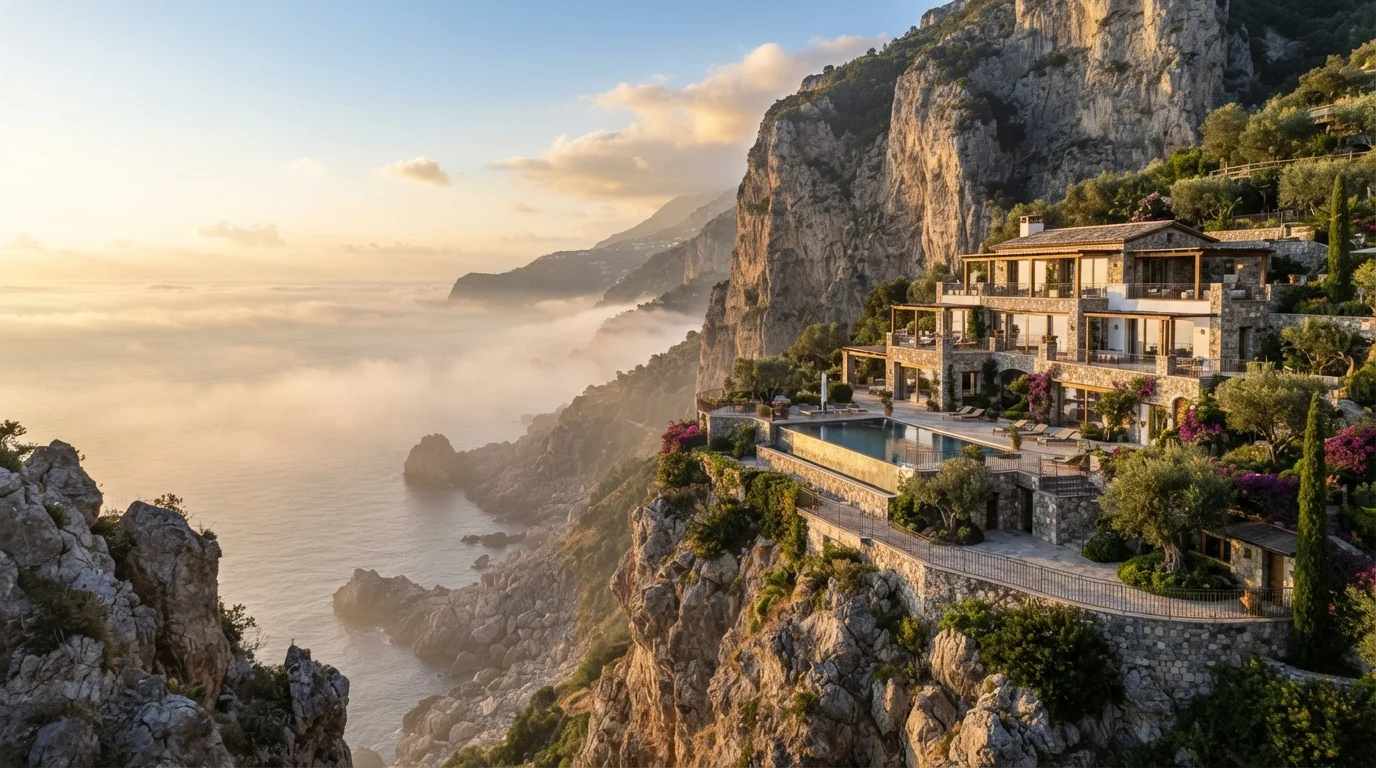
Photo credit: ExploreRoute.net | Travel Made Simple
In this article
Elevated properties with dramatic views require extra due diligence. Use this checklist to assess access, safety, and seasonal fit.
Key Takeaways
- Access roads and paths to elevated properties can be steep, narrow, or impassable in poor weather.
- Structural integrity and landslide risk are property-specific concerns that listings rarely address upfront.
- Seasonal conditions — wind, fog, ice — can dramatically alter the experience of a hilltop or cliffside stay.
- Mobility requirements and emergency access are critical considerations often buried in fine print.
- Connectivity and utility reliability tend to be lower at remote elevated sites.
- Verifying insurance, cancellation terms, and host responsiveness is especially important for off-grid or niche properties.
Why Elevated Properties Demand More Due Diligence
Cliffside villas and hilltop retreats rank among the most visually arresting stays in travel — and among the most variable in terms of practical livability. That sweeping panorama in the listing photos may come packaged with a gravel switchback road, no cell signal, and a deck that catches 40-mph gusts after sunset.
Unlike standard hotels or urban apartments, elevated properties exist at the intersection of dramatic geography and operational complexity. The very features that make them memorable — isolation, exposure, verticality — introduce logistical and safety dimensions that a standard hotel-booking mindset doesn't account for. This checklist helps frequent travelers move past the aesthetics and ask the questions that determine whether a property is actually a fit.
For similar due-diligence thinking applied to other setting-specific stays, see our guides on coastal accommodations and lakeside lodging considerations — the principles overlap more than you'd expect.
Access and Arrival
Structural and Site Safety
Seasonal and Weather Fit
Connectivity and Utilities
Booking Terms and Host Responsiveness
Tools and Resources to Use During Your Research
Working through this checklist requires more than reading a listing. Several practical resources can help you verify what a property page won't volunteer.
Satellite and Terrain Map Tools (e.g., Google Earth, Gaia GPS)
Visually inspect the road approach, elevation grade, and surrounding terrain before arrival.
National or Regional Geological Survey Databases
Check publicly available hazard maps for landslide, erosion, or seismic risk zones relevant to the property's location.
Local Weather Climate Portals
Review historical weather data, wind averages, and fog frequency for the specific region and altitude during your travel dates.
Travel Insurance Policy Documents
Verify coverage terms for weather-related inaccessibility, trip interruption, and emergency evacuation from remote locations.
Booking Platform Review Filters
Sort and read reviews specifically from guests who stayed during the same season as your planned visit to surface access or weather issues.
If your elevated stay is near a remote or heritage site — a cliff-face monastery, a hilltop archaeological zone — cross-reference our pre-visit checklist for obscure historic sites for additional permit and access considerations. And if you're arriving by road through mountain or ridge terrain, the hidden scenic drives hub offers useful orientation on what backcountry road conditions typically look like.
Final Considerations Before You Confirm
Once you've worked through the physical and logistical questions, a few administrative items deserve attention before you enter payment details. Elevated and remote properties often operate under different cancellation and liability frameworks than mainstream accommodations — and those terms matter more when weather or access unpredictability is built into the setting.
Cancellation Policies Rarely Cover Weather Access Issues
Most booking platform cancellation policies do not classify an impassable access road or storm-related closure as a host-side cancellation. If severe weather makes an elevated property unreachable, the financial risk typically falls on the traveler. Review your policy terms line by line and consider travel insurance that specifically covers accommodation inaccessibility before confirming your reservation.
Listing Photos Often Favor Ideal Conditions
Photography for cliffside and hilltop properties is almost always captured in optimal light, season, and weather. The same terrace may be fog-shrouded for much of winter, or wind-exposed enough to make outdoor dining impractical. Treat listing images as best-case representations and use guest reviews from your target season as a more reliable baseline.
Also consider the full traveler profile in your group. A property that works well for two able-bodied adults may be genuinely inaccessible for a companion with limited mobility, a young child, or an older relative. Ask hosts directly about step counts, gradient of internal paths, and whether emergency vehicle access exists. For stays with an immersive or program-based component — yoga retreats, meditation centers, detox stays — our wellness retreat checklist addresses a related set of expectations-versus-reality concerns. Similarly, if remoteness is part of the draw, the rural village stay checklist covers connectivity, transport, and seasonal closure factors worth layering in.

Author
Where to Stay Editorial Team
Where to Stay Editorial Team is the collective byline for our editorial team and contributor network. Articles published under this byline or an editorial pen name are researched, written, and reviewed according to our editorial standards for clarity, consistency, and independence before publication.
View all articles →