
Lakeside Lodging: What Travelers Often Overlook Before Booking
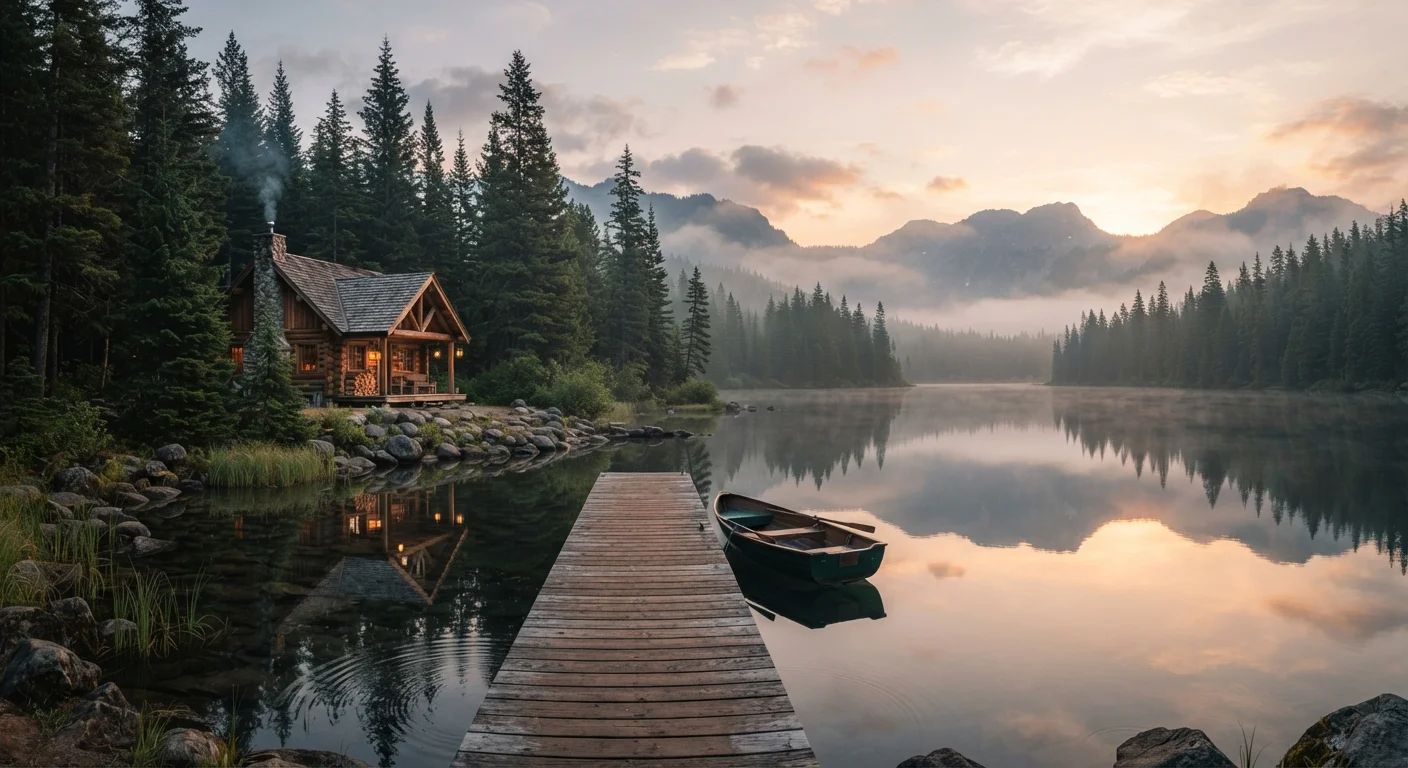
Photo credit: ExploreRoute.net | Travel Made Simple
In this article
Lakefront stays sound idyllic, but factors like seasonal water levels, insect activity, and access roads can make or break the trip.
Key Takeaways
- Seasonal water levels can dramatically change the usability of docks, beaches, and lake views.
- Insect activity near lakes peaks in warm months and varies significantly by elevation and region.
- Access roads to lakeside properties are often unpaved and may be impassable after rain or in winter.
- The orientation of a lakeside property determines how much sun the water-facing side actually receives.
- Noise from motorized watercraft, neighboring cabins, or boat launches can disrupt a quiet retreat.
Why Lakeside Lodging Requires a Closer Look
A lakeside property photographs beautifully. The promise of waking up to still water, birdsong, and mountain reflections is genuinely compelling — and for the right traveler at the right time of year, it delivers. But lakefront stays come with a specific set of environmental and logistical variables that don't apply to most other accommodation types. Travelers who book on imagery alone often arrive to conditions that are surprising at best, and genuinely disruptive at worst.
Unlike a city hotel or coastal resort, lakeside lodging is deeply tied to its immediate natural context: the health of the lake, the surrounding ecosystem, local weather patterns, and infrastructure that may be minimal or seasonal. Understanding what to ask before booking separates a memorable retreat from a frustrating one. For a broader comparison of how setting shapes the stay, see our guide on waterfront stays in cities vs. nature settings.
Common Mistakes Travelers Make When Booking Lakeside Stays
The errors below appear repeatedly in traveler feedback about lakefront properties. Most are entirely avoidable with targeted pre-booking research.
Assuming the dock or beach access shown in listing photos will be available throughout the stay.
Why it happens: Listing images are typically taken during peak conditions — often midsummer — when water levels are at their highest and docks are fully functional. Travelers rarely think to ask about off-peak variability.
Underestimating insect activity near the water, particularly mosquitoes and biting midges.
Why it happens: Lakes are breeding environments for insects, and this is almost never mentioned in property descriptions. Travelers accustomed to coastal or urban stays don't anticipate the intensity.
Not investigating the quality or year-round passability of the access road.
Why it happens: Remote lakeside properties often sit at the end of unpaved or minimally maintained roads. Listings rarely disclose this, and travelers assume standard paved access.
Misjudging noise levels based on the assumption that lakeside means quiet.
Why it happens: Lakes that allow motorized watercraft can be loud during daylight hours, particularly on weekends and holidays. Travelers picture solitude but book onto a popular recreational lake.
Overlooking water quality for swimming, especially on smaller or heavily used lakes.
Why it happens: Travelers assume that because the property markets lake swimming, the water is reliably clean and safe. Algae blooms, runoff contamination, and usage-related degradation can make swimming inadvisable in some seasons.
For travelers drawn to similarly unconventional settings, our editorial look at where unique stays fall short offers an honest framework for calibrating expectations before committing to any non-standard property.
Seasonal and Environmental Factors That Shift the Experience
Lakeside lodging is among the most seasonally variable accommodation types available. A property that feels perfectly positioned in late summer may sit above a receded shoreline in early fall, or be locked behind an impassable dirt road in spring thaw. Water clarity, wildlife activity, and recreational access all shift meaningfully across the calendar.
~30%
Lakes with seasonal water level fluctuation exceeding 3 feet
Hydrological research indicates that a significant share of managed reservoirs and natural lakes in the US experience water level swings of three feet or more between seasons, directly affecting shoreline and dock usability.
75°F+
Water temperature threshold for blue-green algae bloom risk
Environmental agencies generally flag elevated bloom risk when surface water temperatures consistently exceed 75°F, a condition common on shallow, nutrient-rich lakes during summer months.
Elevation plays a particularly underappreciated role. Lakes at higher elevations tend to have shorter insect seasons and cooler evenings — a meaningful comfort factor for travelers who struggle with heat — but access roads close earlier in autumn and may not reopen until late spring. Properties at lower elevations near warm, shallow lakes can see intense mosquito and biting-fly activity from late May through August, which no lake view fully compensates for.
Travelers considering off-peak timing should review the genuine trade-offs involved. Our piece on off-season access to remote wilderness addresses this honestly, including road conditions, reduced services, and the solitude that often comes in exchange.
Check Local Advisories Before Your Trip
Water quality advisories, road closures, and fire restrictions near lakeside properties can change on short notice. Always verify current conditions through state environmental agencies and local government websites before you depart — not just at the time of booking. Property hosts may not proactively update guests about advisories issued after the reservation is made.
Property orientation is another factor that rarely appears in listings. A cabin on the north shore of a lake faces south across the water, meaning the deck and shoreline receive direct afternoon sun — highly desirable for swimming and lounging. A south-shore property faces north, keeping the water-side in shade for much of the day. Neither is wrong, but travelers with strong preferences should ask explicitly.
Those drawn to dramatic elevation and scenery may also want to compare notes with our guide on booking cliffside or hilltop properties, where access and exposure require similar due diligence. And if the appeal is water proximity in its most immersive form, overwater bungalows and floating hotels present a different — and equally nuanced — set of trade-offs worth understanding before booking.

Author
Where to Stay Editorial Team
Where to Stay Editorial Team is the collective byline for our editorial team and contributor network. Articles published under this byline or an editorial pen name are researched, written, and reviewed according to our editorial standards for clarity, consistency, and independence before publication.
View all articles →