
Misconceptions About Remote Lodging — And What the Experience Is Actually Like
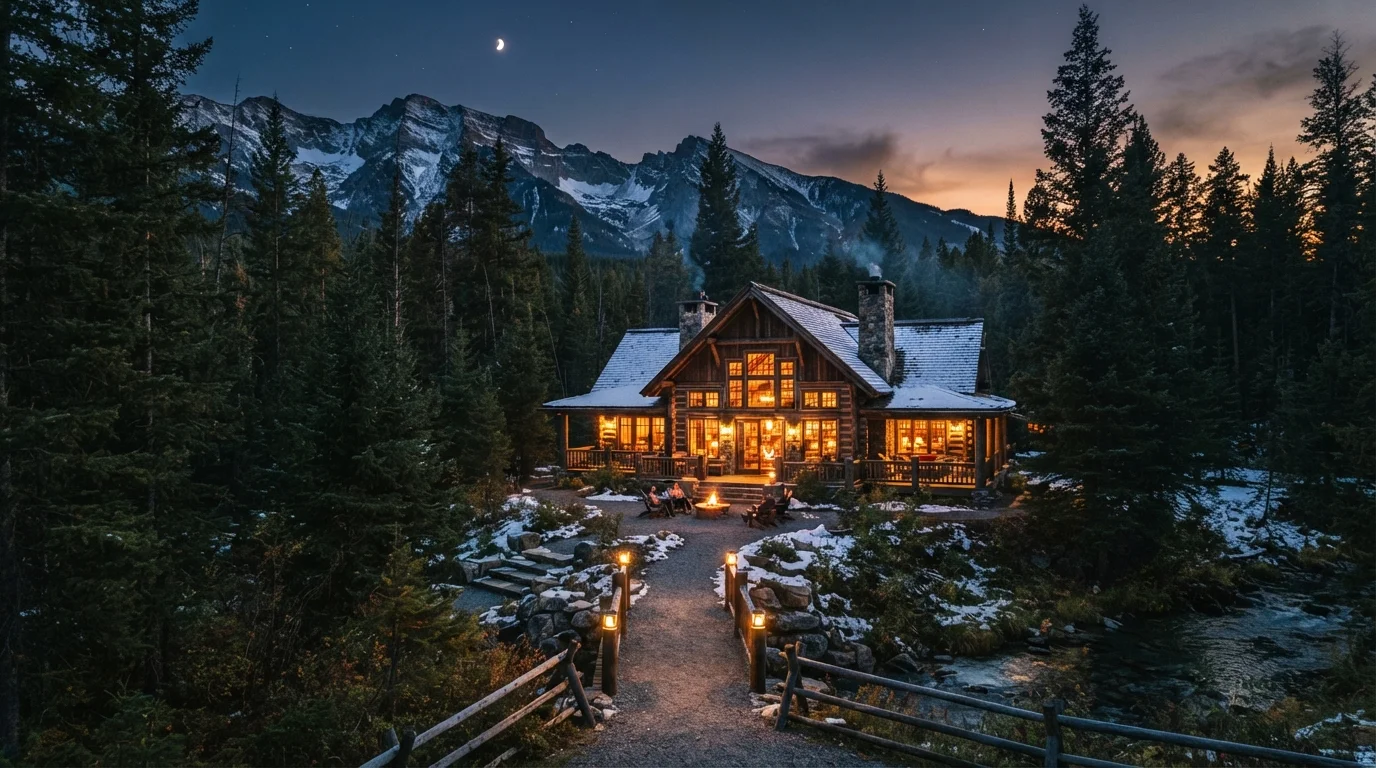
Photo credit: ExploreRoute.net | Travel Made Simple
In this article
Many travelers arrive unprepared because they believe remote means primitive, or isolated means peaceful. Here's what's actually true.
Key Takeaways
- Remote lodging varies enormously in comfort level — many properties offer high-end amenities despite their isolation.
- Solitude and silence are not guaranteed at popular wilderness destinations, especially during peak seasons.
- Limited connectivity is common but rarely total; most remote properties have some form of emergency communication.
- Reaching remote lodges often requires detailed advance planning around transport, access roads, and seasonal closures.
- Many travelers underestimate how much logistical support experienced remote hosts provide.
Why Remote Lodging Myths Persist
Remote lodging occupies a curious space in the traveler's imagination — simultaneously romanticized and feared. The word "remote" triggers assumptions shaped more by pop culture than reality: no running water, unreliable shelter, days without another soul in sight. These assumptions don't just color expectations; they actively prevent experienced travelers from booking stays that might suit them perfectly.
The truth is that "remote" is a descriptor of geography, not of quality. A lodge accessible only by floatplane might serve locally sourced gourmet meals and feature heated stone floors. A mountain hut requiring a half-day hike might have exceptional guides, a wood-fired sauna, and a curated library. The spectrum is wide, and arriving with an inaccurate mental picture — in either direction — sets travelers up for disappointment or unnecessary anxiety. See our honest look at the trade-offs of unique stays for more on calibrating expectations before you commit.
Below, we address the most persistent misconceptions about remote lodging — and what the experience typically looks like in practice.
Common Myths — Corrected
These paired myth-and-fact entries cover the assumptions most likely to distort how travelers plan for, or avoid, remote accommodation.
Myth
Remote means primitive — you'll be sleeping on a cot with no hot water and minimal shelter.
Fact
Many remote lodges operate at a level of comfort comparable to boutique hotels, with full bedding, private bathrooms, and chef-prepared meals.
The assumption that remoteness equals austerity is among the most common — and most incorrect — beliefs about wilderness lodging. Geography and comfort are independent variables. Properties in genuinely isolated locations — whether accessed by boat, helicopter, or mountain trail — may offer high thread-count linens, spa services, and architecturally designed interiors precisely because their isolation is their appeal. Operators in remote regions often invest heavily in guest experience to justify the access challenge. That said, comfort levels vary enormously by property type, price point, and country — researching specifically what a lodge offers before booking is always essential.
Myth
Staying somewhere remote guarantees peace, quiet, and solitude.
Fact
Popular remote destinations can be heavily trafficked during peak season, and wildlife noise, weather events, or group bookings can disrupt expectations of silence.
"Remote" is relative, and popularity has a way of following beauty. A wilderness lodge that appeared in a major travel publication may host a full roster of guests simultaneously. Shared dining rooms, guided group excursions, and common-area noise are features of many remote properties — not exceptions. True solitude typically requires either private-use bookings, deliberate off-season travel, or stays at genuinely obscure properties. Researching lesser-documented wilderness areas can surface options that avoid the paradox of crowded remoteness.
Myth
You'll be completely cut off — no way to contact anyone in an emergency.
Fact
Most remote lodges maintain emergency communication through satellite phones, VHF radio, or emergency beacons, even when standard cellular service is absent.
Total communication blackouts at staffed remote properties are rare. Responsible operators are required — and genuinely motivated — to maintain emergency contact capability. What does vary significantly is day-to-day connectivity: leisure internet browsing, video calls, and streaming may not be possible or may be bandwidth-limited. Travelers should confirm the specific communication tools available at their property, especially if traveling with dependents or managing time-sensitive responsibilities. Emergency protocols should always be discussed with the host upon arrival.
Myth
Remote stays are always cheaper because you're getting less.
Fact
Remote lodging is frequently priced at a premium — the logistics of supply, staffing, and access in isolated areas significantly raise operational costs.
Transporting food, fuel, and staff to a remote location is expensive. Specialized access — floatplanes, pack animals, private transfers — adds operational cost that inevitably reaches the guest's bill. Many remote stays represent the higher end of the accommodation market, not the budget end. This doesn't mean value is absent; rather, the value proposition shifts toward experience, exclusivity, and context rather than amenity count or square footage. Travelers comparing remote lodging costs to urban hotel rates often misread the pricing as gouging when it reflects genuine logistical reality. The unique stays editorial hub explores the full range of unconventional accommodation types and their distinct cost structures.
Myth
If a place is remote, getting there must be an ordeal — exhausting and complicated.
Fact
Many remote properties manage access logistics comprehensively for guests, offering structured transfers, detailed arrival guidance, and local knowledge support.
Experienced remote lodge operators understand that arrival is part of the experience and plan accordingly. Guests are often met at a designated point — a regional airport, a marina, or a mountain trailhead — and guided from there. Complicated doesn't mean unmanaged. That said, travelers do need to respect tight scheduling, follow access instructions carefully, and arrive at staging points on time. The responsibility for preparation sits with the guest; the responsibility for the journey itself is often shared with a well-prepared host. Travelers who want more structure around this process should review why small-town and rural destinations are often more accessible than assumed.
For travelers considering the related category of off-grid stays — which overlaps with but differs from remote lodging — misconceptions about off-grid lodging covers its own distinct set of assumptions worth examining.
What Travelers Should Realistically Prepare For
Even when remote lodging is comfortable, some genuine logistical realities remain — and ignoring them is where trips go wrong.
Arrival Windows at Remote Properties Are Not Flexible
Unlike city hotels, most remote lodges cannot accommodate late or unscheduled arrivals. Access roads may close at night, boats run on fixed tides, and staff rosters don't extend to after-hours check-ins. Confirm your arrival window explicitly with the property — and have a contingency plan if transportation is delayed due to weather or mechanical issues. Never assume "close enough" will work in a remote setting.
Access is the most common planning blind spot. Many remote properties require confirmed transport arrangements — a shuttle from a specific trailhead, a scheduled ferry, or a private transfer booked weeks ahead. Arrival times matter in ways they don't in cities. If a lodge closes its gates at dusk or requires a guide escort after a certain hour, arriving late isn't just inconvenient — it can leave travelers stranded. The pre-booking checklist for rural and remote stays covers exactly these verification steps, including seasonal closures and transport dependencies.
Connectivity expectations also deserve honest calibration. Satellite Wi-Fi has improved significantly, but speeds are inconsistent, and many properties deliberately limit it. Some travelers find this liberating; others find it genuinely disruptive to work obligations or family contact. Knowing which category you fall into before arrival is essential, not something to hope for.
Finally, remote stays require a different kind of flexibility. Weather can alter plans. Wildlife activity can change safe access windows. Hosts who operate in remote environments generally have deep local knowledge and are worth listening to — their restrictions are usually grounded in experience, not policy theater.
70%+
Remote travelers who underestimated access logistics
A recurring finding in hospitality research is that a significant majority of first-time remote lodge guests report underestimating transport planning requirements before arrival.
3–5x
Higher operational cost per guest in remote locations
Industry hospitality analysts have consistently noted that supply chain and staffing costs for remote properties can run three to five times higher than comparable urban properties.
If the terrain itself is part of your journey, myths about driving across remote terrain addresses the assumptions around self-drive access that frequently catch travelers off guard.

Author
Where to Stay Editorial Team
Where to Stay Editorial Team is the collective byline for our editorial team and contributor network. Articles published under this byline or an editorial pen name are researched, written, and reviewed according to our editorial standards for clarity, consistency, and independence before publication.
View all articles →