
Mediterranean Cruise Itineraries: Eastern, Western, and Adriatic Routes Compared
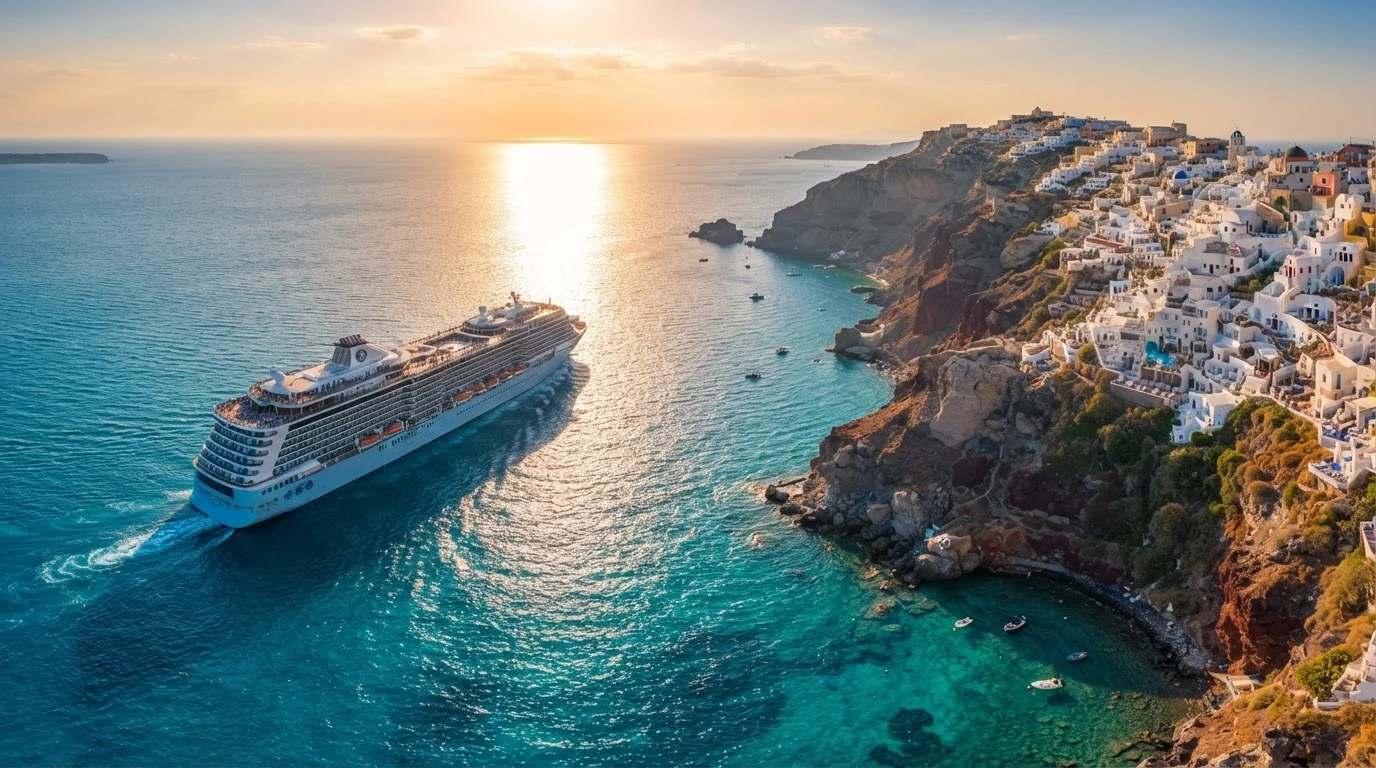
Photo credit: ExploreRoute.net | Travel Made Simple
In this article
Eastern, western, and Adriatic Mediterranean routes each offer distinct ports and cultures. See how they stack up for first-timers and returnees alike.
Key Takeaways
- Eastern Mediterranean routes emphasize ancient history, with ports like Athens, Ephesus, and Istanbul anchoring most itineraries.
- Western Mediterranean sailings connect iconic cities — Barcelona, Rome, and Marseille — with relatively shorter sea crossings between ports.
- Adriatic itineraries offer the most compact geography, allowing deeper dives into Croatia, Montenegro, and the Venetian coast.
- Shoulder-season sailing (May or October) reduces crowds significantly across all three regions.
- First-timers often prefer the Western route for accessibility; returnees tend to gravitate toward Adriatic or Eastern routes for depth.
What Separates the Three Routes
Mediterranean cruising is rarely a monolithic experience. The sea divides naturally into three operational theater zones — western, eastern, and Adriatic — each shaped by different coastlines, historical legacies, and port infrastructure. Understanding these differences matters well before choosing a sailing, particularly for travelers who have already checked off the classic highlights and want a voyage with more specificity.
For a broader framework on aligning any cruise route with your travel preferences, see choosing a cruise itinerary that matches your travel style. What follows is a route-by-route breakdown of what each Mediterranean zone actually delivers at the port level.
| Western Mediterranean | Eastern Mediterranean | Adriatic | |
|---|---|---|---|
| Typical home ports | Barcelona, Civitavecchia | Athens/Piraeus, Istanbul | Venice, Trieste |
| Port frequency (7-night) | 6–7 ports | 4–6 ports | 5–7 ports |
| Sea days (7-night) | 1–2 days | 2–3 days | 1–2 days |
| Primary appeal | Iconic cities, art, cuisine | Ancient history, archaeology | Walled towns, Venetian heritage |
| Crowd intensity (peak season) | Very high | High | High in Dubrovnik, moderate elsewhere |
| Best for first-timers | Yes | Moderate | Less common as a first route |
| Shoulder season benefit | Significant | Significant | Moderate |
Western Mediterranean: Iconic Cities, Manageable Logistics
Western routes typically depart from Barcelona or Civitavecchia (Rome's port) and thread through a well-established chain: Valencia, Palma de Mallorca, Marseille or Nice, Livorno (gateway to Florence and Pisa), and Naples or Messina for access to Sicily and the Amalfi coast. Distances between ports are short, meaning sea days are minimal and port-heavy schedules are the norm — often six or seven ports across a seven-night sailing.
This density suits travelers who prioritize city volume over depth. The trade-off is crowd concentration: Barcelona's Gothic Quarter, Rome's Colosseum, and Pompeii draw enormous shore-excursion groups, especially from June through August. Arriving by ship also means competing with other vessels for the same narrow time windows. Shoulder-season sailings — May and October — meaningfully reduce this friction.
For those interested in the countryside beyond the well-worn port path, Southern Italy's lesser-known hill towns offer a compelling counterpoint to the usual Amalfi-and-Pompeii circuit.
Maximize Shore Time With Smart Port Sequencing
On Western Mediterranean itineraries, pay close attention to which ports receive full-day calls versus half-day stops. Livorno, for example, is used as a gateway to both Florence and Pisa — two destinations that individually merit a full day. Half-day calls force a choice, so reviewing port call times before booking can meaningfully shape which sailing suits your priorities.
Eastern Mediterranean: Antiquity and Cultural Layering
Eastern itineraries pivot the axis entirely. Ports anchor in Greece (Athens/Piraeus, Santorini, Mykonos, Crete, Rhodes), Turkey (Kusadasi for Ephesus, Istanbul), Cyprus, and Israel or Egypt depending on geopolitical access at any given period. Travelers should verify current entry conditions and travel advisories directly with official government sources before booking, as regional conditions can shift.
The historical density here is unmatched in the Mediterranean — a single sailing can span Byzantine architecture, Minoan archaeology, Ottoman heritage, and Classical Greek ruins across consecutive ports. That layering rewards travelers willing to do some pre-reading; arriving in Ephesus with no context for what the Library of Celsus or the Terrace Houses represent is a missed opportunity at scale.
Sea days are more frequent on Eastern routes due to longer inter-port distances, which changes the onboard rhythm. Those who prefer a port-every-day pace should weigh this carefully. For comparison, transatlantic crossings represent the far end of the sea-day spectrum — Eastern Mediterranean sailings sit somewhere between that and the port-intensive Western routes.
Adriatic: Compact Geography, Outsized Character
The Adriatic route is geographically the most contained of the three. Sailings typically originate in Venice or Trieste, working south through Slovenia's tiny Koper, Croatia's Rovinj, Split, Hvar, and Dubrovnik, before potentially crossing into Montenegro's Kotor Bay — one of the Mediterranean's most dramatic fjord-like anchorages. Some itineraries extend to Corfu or Bari, but many keep the entire route within the Adriatic basin.
The result is an itinerary defined by intimacy rather than scale. Many Adriatic ports are medieval walled towns where the entire historic center is walkable within an hour — which also means they feel the pressure of large-ship arrivals acutely. Dubrovnik in particular has implemented visitor management measures precisely because cruise traffic was straining its Old Town. Choosing ships with smaller passenger capacities or booking morning arrivals and early departures can make a genuine difference to the experience.
Hidden coastal neighbourhoods in Mediterranean ports are especially rewarding along the Adriatic, where the lane behind the market square often tells a richer story than the main promenade. The Adriatic also suits travelers considering one-way itineraries from Venice to Athens that transition from the Adriatic into the Ionian or Aegean.
800+
Islands in the Croatian Adriatic coastline
Croatia's Adriatic coast contains over 800 islands, giving Adriatic itineraries exceptional geographic variety within a compact sailing area.
~1,300 km
Distance between Gibraltar and Athens by sea
The span of the Mediterranean from west to east helps explain why Eastern and Western itineraries rarely overlap and why ship repositioning between them is a significant voyage in itself.

Author
Cruise Journeys Editorial Team
Cruise Journeys Editorial Team is the collective byline for our editorial team and contributor network. Articles published under this byline or an editorial pen name are researched, written, and reviewed according to our editorial standards for clarity, consistency, and independence before publication.
View all articles →