
Repositioning Cruises: The Long-Haul Voyages Most Travelers Overlook
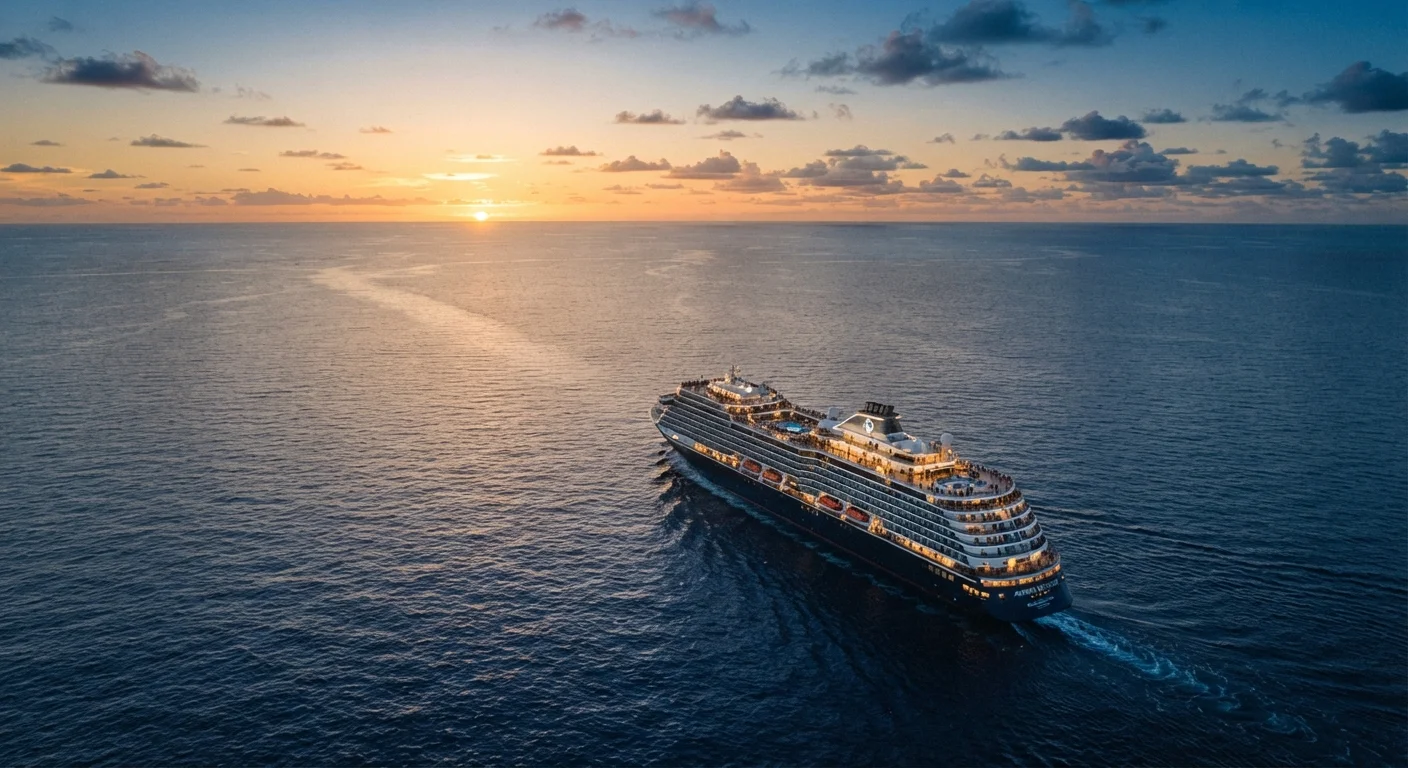
Photo credit: ExploreRoute.net | Travel Made Simple
In this article
Repositioning cruises move ships between seasons and offer rare port combinations at lower fares. Here's what to expect from these extended voyages.
Key Takeaways
- Repositioning cruises move ships between seasonal home ports, creating rare one-way transoceanic itineraries.
- These voyages typically feature more sea days and fewer port stops than standard itineraries.
- Fares are often lower per night than comparable sailings, partly because demand is structurally limited.
- Travelers must independently arrange flights home, adding logistical complexity.
- Port combinations on repositioning routes are frequently unavailable on any regular seasonal schedule.
- Extended sea days suit travelers who enjoy onboard programming, slow travel, and ocean crossings.
What Actually Drives a Repositioning Cruise
Cruise lines deploy their ships seasonally — Mediterranean itineraries in summer, Caribbean routes in winter, Alaska programs from late spring through early fall. When a deployment window closes, the ship has to physically move to its next home port. That transit is what becomes a repositioning cruise.
Unlike purpose-built itineraries designed around passenger demand, repositioning sailings are shaped primarily by operational necessity. The route exists because the ship needs to get from point A to point B, and the cruise line fills the cabins along the way. This origin story explains nearly everything distinctive about these voyages: the one-way structure, the long stretches at sea, the unusual port stops, and the pricing dynamic.
One-way cruise itineraries present a fundamentally different planning challenge than round-trip sailings, and repositioning cruises sit at the extreme end of that spectrum — often crossing entire ocean basins with no return leg.
The Port Combinations You Won't Find Anywhere Else
The most compelling argument for repositioning cruises isn't the pricing — it's the geography. Because the ship is crossing between regions rather than circling within one, it passes through waters and calls at ports that never appear on standard seasonal itineraries.
A spring transatlantic repositioning from the Caribbean to the Mediterranean might include the Azores, Madeira, or the Canary Islands — Portuguese and Spanish island territories that sit mid-Atlantic and are largely absent from both Caribbean and European schedules. A fall transpacific repositioning might touch Hawaii, Ensenada, and ports in Japan or South Korea within a single voyage.
14–30
Typical night range for repositioning voyages
Most repositioning sailings run between two and four weeks, significantly longer than the standard 7-night cruise itinerary.
2x/year
Peak repositioning windows per ship
Ships typically reposition twice annually — once in spring moving toward summer deployment regions, once in fall shifting toward winter markets.
5–10
Consecutive sea days possible mid-voyage
Transpacific repositioning routes in particular can include extended stretches without a port call, depending on the crossing route taken.
West African ports such as Casablanca or Dakar occasionally appear on repositioning routes that swing south before crossing to Europe — itineraries with no seasonal equivalent. For travelers specifically interested in port towns and coastal destinations that sit off the main circuit, repositioning voyages represent genuine discovery rather than a different angle on a familiar stop.
It's worth noting that repositioning itineraries can be subject to route adjustments. Port changes and skipped stops are a reality on any long voyage, and the more remote a port, the more weather and logistical factors can intervene.
Sea Days: The Feature That Divides Opinion
A repositioning voyage might include five, seven, or even ten consecutive days at sea. For some travelers, this is the point. For others, it's a dealbreaker.
Extended sea days reward passengers who actively engage with the ship itself — lectures, culinary programs, language classes, fitness facilities, enrichment speakers, and the rhythm of life at sea. On longer voyages, cruise lines often expand onboard programming specifically to fill the sea-day schedule. The transatlantic crossing experience is the clearest example of this dynamic: ports are few, but the voyage itself is the destination.
Evaluate Sea Days Before You Book
Review the full day-by-day itinerary before committing to a repositioning voyage. Count the consecutive sea days and honestly assess whether extended time without a port stop suits your travel style. If you've never experienced more than two sea days in a row, a 7-night transatlantic segment is a lower-stakes way to test the format before booking a 21-night crossing.
Travelers who prefer a port-intensive pace — or who follow the overnight port stay model — may find repositioning voyages frustrating. The sea-day ratio is structural, not adjustable, and it's the single most important factor to evaluate honestly before booking.
Logistics Every Repositioning Traveler Should Anticipate
Because these are one-way sailings, the return journey is entirely the traveler's responsibility. Flying home from an arrival port in Barcelona, Tokyo, or Fort Lauderdale requires planning that a round-trip booking makes unnecessary. Costs and routing for that return flight should be factored into the total trip budget from the outset — sometimes a positioning flight strategy helps optimize that return leg.
Voyage length is also significant. Repositioning cruises commonly run 14 to 30 nights — a commitment that doesn't suit every schedule or leave balance. Travelers with fixed time constraints should be especially careful to account for the full duration, including travel days on either end.
Entry Requirements at Unusual Ports
Repositioning routes sometimes call at ports in multiple countries across different regulatory regions — including destinations where visa requirements, health documentation, or port entry rules may differ from what travelers encounter on standard itineraries. Always verify current entry requirements for every port on your itinerary through official government sources well in advance of sailing. Requirements can change, and cruise line documentation is not a substitute for checking with the relevant embassy or consulate.
Finally, onboard currency, gratuity structures, and shore excursion availability at remote ports all warrant advance research. Some mid-ocean or rarely visited ports have limited independent touring infrastructure, so understanding what's available — and what isn't — before sailing prevents disappointment.
Practical guidance on cruise life and onboard logistics can help travelers prepare for the specific rhythms of a long-haul voyage, particularly if it's their first sailing beyond the standard 7-night format.
Frequently Asked Questions

Author
Cruise Journeys Editorial Team
Cruise Journeys Editorial Team is the collective byline for our editorial team and contributor network. Articles published under this byline or an editorial pen name are researched, written, and reviewed according to our editorial standards for clarity, consistency, and independence before publication.
View all articles →