
Assumptions That Ruin a Visit to a Forgotten Historic Site
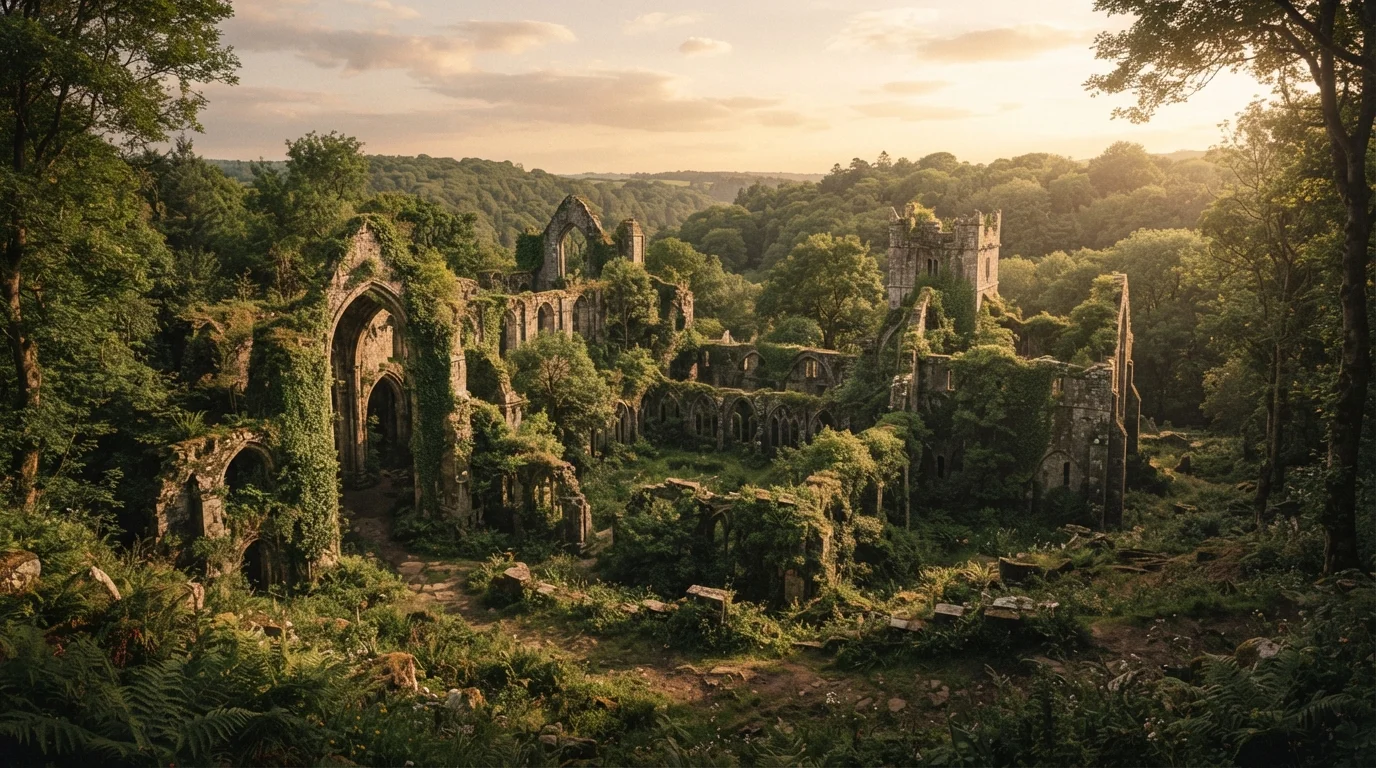
Photo credit: ExploreRoute.net | Travel Made Simple
In this article
Expecting signage, facilities, or free entry at an obscure ruin often leads to frustration. Here's what travellers routinely get wrong — and why.
Key Takeaways
- Most obscure historic sites lack signage, restrooms, or consistent opening hours — verify everything before you arrive.
- Permit and access requirements vary widely and are rarely posted online; contact local custodians directly.
- Assuming a site is free or safe to enter without preparation can result in fines, injury, or site damage.
- Off-radar ruins are often on private or protected land — trespassing assumptions carry real legal consequences.
- Researching a site's cultural significance beforehand transforms a confusing visit into a meaningful one.
The Gap Between Expectation and Reality
There is a particular kind of disappointment that arrives not from a bad destination, but from a misplaced assumption about what a destination would be. Travelers who seek out forgotten historic sites — abandoned citadels, pre-colonial ceremonial grounds, post-industrial ghost towns — often arrive with a mental template borrowed from Machu Picchu or Angkor Wat: interpretive panels, maintained pathways, ticket booths. What they find instead is a field, a fence, or a locked gate with no indication of who holds the key.
This gap between expectation and reality is the single largest source of frustration at obscure heritage sites. The mistakes that follow from it are rarely dramatic; they are quiet missteps — arriving unprepared, misreading access rules, underestimating terrain — that compound into a trip that feels wasted. Understanding the most common of these errors is the fastest path to avoiding them. Our pre-visit checklist for obscure historic sites offers a practical companion to the patterns explored here.
Common Mistakes That Derail the Experience
The errors below surface repeatedly among independent travelers exploring off-radar ruins and lost settlements. They span logistics, safety, and cultural respect — because at underdeveloped heritage sites, all three are tightly connected.
Assuming a well-known site name guarantees well-developed infrastructure.
Why it happens: Sites that appear prominently in travel blogs or heritage databases can seem established by association. Readers conflate the volume of online content about a place with the presence of on-the-ground amenities.
Treating entry as free or unrestricted because no ticket booth is visible.
Why it happens: Many travelers associate admission fees with formal visitor centers. When there is no obvious ticketing infrastructure, they assume public access is open and free.
Relying on GPS or mapping apps to navigate to — and around — the site.
Why it happens: Digital navigation has become so reliable for mainstream destinations that travelers extend that trust to remote locations, where mapping data is often years out of date or simply absent.
Underestimating the physical difficulty of reaching or moving through the site.
Why it happens: Photographs shared online tend to show the most photogenic, accessible corners of a ruin. The trail that leads there, or the terrain surrounding it, is rarely documented.
Assuming that a UNESCO or government listing guarantees a well-preserved, clearly marked site.
Why it happens: Heritage designations carry an implicit promise of attention and investment that does not always translate into visitor-facing improvements, especially at lower-profile listed sites.
Arriving without any cultural or historical context for the site.
Why it happens: Travelers often prioritize logistics over scholarship, intending to absorb context from on-site signage — which, at obscure sites, frequently does not exist.
Trespassing at Historic Sites Carries Real Consequences
A surprising number of obscure ruins sit on private land, active agricultural property, or land under the jurisdiction of indigenous custodians. The absence of fencing or signage does not constitute permission to enter. Penalties range from fines to criminal charges depending on local law. Always verify land ownership and access rights before setting out — and consult official government sources for entry rules, as these vary significantly by country and region.
For travelers weighing how to choose between sites with different access levels, comparing remote access against easier infrastructure can help set realistic expectations before you commit to the journey.
Why Preparation Changes Everything
The travelers who leave a forgotten site moved — rather than frustrated — share one habit: they treated the research phase as part of the experience itself. Reading what little scholarship exists on a site, tracing its administrative history, and reaching out to local heritage groups or municipal offices transforms a confusing scatter of stones into a legible landscape.
~95,000
UNESCO-listed properties vs. active visitor facilities
UNESCO's World Heritage List includes over 1,100 properties globally, but the vast majority of the world's documented archaeological sites — estimated in the tens of thousands — receive no formal visitor infrastructure or management budget.
1 in 3
Heritage sites facing inadequate documentation
According to the World Monuments Fund's periodic watch reports, a significant proportion of at-risk heritage sites lack even basic visitor guidance materials, making independent research before a visit essential.
This preparation also shapes behavior once you arrive. Knowing that a site sits on protected land, for instance, makes a traveler far less likely to stray off informal paths — which matters enormously. As our piece on how travelers accidentally damage the places they love most illustrates, good intentions do not prevent impact when visitors are uninformed about a site's fragility.
For those who want to deepen their ability to interpret what they see independently, reading ancient ruins without a tour guide offers a practical framework for decoding stonework, street grids, and structural remains — so the site tells its own story, even without a single interpretive panel in sight.

Author
Hidden Destinations Editorial Team
Hidden Destinations Editorial Team is the collective byline for our editorial team and contributor network. Articles published under this byline or an editorial pen name are researched, written, and reviewed according to our editorial standards for clarity, consistency, and independence before publication.
View all articles →