
Why So Many Historic Sites Disappear from Travel Itineraries
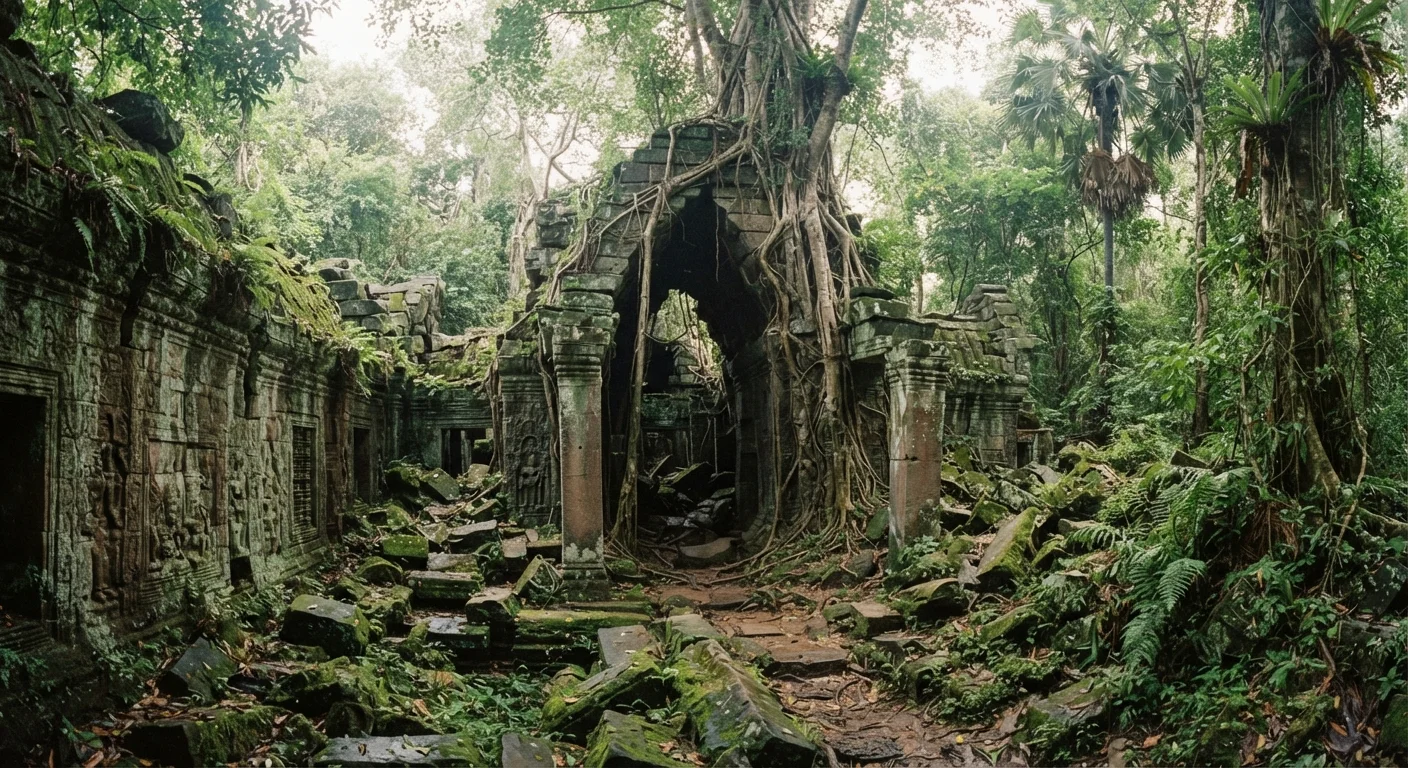
Photo credit: ExploreRoute.net | Travel Made Simple
In this article
Funding gaps, access challenges, and shifting tourism trends all play a role. Here's what causes once-celebrated ruins to fade from public attention.
Key Takeaways
- Funding gaps are the single most common reason historic sites lose visitor infrastructure and visibility.
- Physical remoteness alone does not explain disappearance — many overlooked sites are accessible but simply unpromoted.
- Political instability and shifting national priorities can erase a site from tourism ecosystems within years.
- Tourism trends drive attention in tight feedback loops, amplifying famous sites while starving lesser-known ones.
- Local custodians often hold the most detailed knowledge of undervisited heritage sites.
The Feedback Loop That Erases History
Every year, millions of travelers converge on the same short list of ancient wonders — the Colosseum, Angkor Wat, Machu Picchu — while an enormous shadow catalog of equally compelling sites receives almost no attention at all. This isn't an accident of geography or significance. It's the result of a self-reinforcing tourism economy in which visibility attracts investment, investment improves infrastructure, and infrastructure attracts more visitors. Sites that miss the initial wave of promotion are quietly left behind.
The mechanism is straightforward: tour operators build itineraries around destinations where logistics are solved. Travel media covers places that generate editorial interest, which often means places already generating visitor numbers. Once a site falls out of this loop, it tends to stay out — not because it has nothing to offer, but because the ecosystem that sustains awareness has moved on. The lost cities that history almost erased are the most dramatic examples of where this trajectory leads.
Top 50
Sites absorbing the majority of heritage tourism
UNESCO data suggests the vast majority of heritage tourism concentrates on fewer than 50 of the 1,100+ recognized World Heritage Sites globally.
~40%
World Heritage Sites facing conservation threats
UNESCO's periodic reporting indicates roughly 40% of inscribed sites face significant conservation challenges, including inadequate management resources.
Decades
Average time for a site to re-enter mainstream tourism
Heritage preservation researchers note that sites which slip from tourism consciousness typically require decades of advocacy and reinvestment to recover meaningful visitor numbers.
Funding Gaps and the Maintenance Problem
Preservation is expensive. Stabilizing crumbling stonework, managing vegetation encroachment, building interpretive signage, and maintaining safe visitor access all require sustained financial commitment — from national governments, international bodies, or both. When that commitment falters, sites deteriorate faster than they can be studied or promoted.
In many parts of the world, heritage funding competes directly with urgent infrastructure needs. A government managing poverty, public health crises, or conflict rarely prioritizes a remote archaeological complex. The sites that survive this competition are typically those with strong international advocacy, UNESCO designation, or direct economic value as tourism drivers. Those without such backing enter a slow decline that eventually makes them difficult to visit even for determined travelers.
Research Local Custodians Before You Visit
At undervisited historic sites, the most valuable resource is rarely a guidebook — it's the community that lives adjacent to the ruins. Local archaeologists, historians, and cultural organizations often maintain access and interpretation that no commercial tour operator offers. Reaching out before your trip through regional cultural institutions or academic contacts can dramatically improve both access and understanding. The field-ready reference for independent heritage travelers covers practical frameworks for doing exactly this.
Access, Politics, and the Bureaucracy of Ruins
Physical remoteness is frequently cited as a reason sites go unvisited, but access is often more bureaucratic than geographic. Some of the world's most historically significant places sit within regions affected by political instability, restricted permits, or contested sovereignty — conditions that effectively remove them from practical itineraries regardless of how interesting they are.
Border disputes, civil unrest, and government travel restrictions can erase a heritage destination from tourism ecosystems within a single decade. Travelers who do manage to reach such sites often find them in remarkably good condition precisely because human traffic has been low — a striking inversion of the overtourism problem that plagues more famous destinations. For context on how visitation pressure cuts both ways, the dynamics of overtourism redirecting travelers elsewhere are worth understanding before planning any heritage itinerary.
Travelers should always verify current entry requirements and consult official government travel advisories before visiting sites in politically sensitive regions. Conditions change quickly and published travel content cannot substitute for real-time official guidance.
What Travelers Can Do Differently
Choosing to visit a forgotten historic site is not simply an act of personal discovery — it distributes tourism revenue more equitably, reduces pressure on overwhelmed iconic destinations, and supports local custodians whose knowledge of a place often far exceeds what any guidebook captures.
The practical threshold, however, is higher than at a well-serviced site. Signage may be absent, facilities nonexistent, and entry logistics genuinely unclear. The assumptions that most commonly undermine visits to obscure ruins — expecting free access, reliable trails, or on-site interpretation — are worth confronting before departure rather than on arrival.
For travelers willing to prepare carefully, the rewards are substantial: genuine solitude, richer encounters with local communities, and the rare experience of engaging with history on its own terms rather than through a managed spectacle. The case for visiting forgotten sites before they're discovered is compelling, but it requires honesty about both the appeal and the real-world limitations.
Frequently Asked Questions

Author
Hidden Destinations Editorial Team
Hidden Destinations Editorial Team is the collective byline for our editorial team and contributor network. Articles published under this byline or an editorial pen name are researched, written, and reviewed according to our editorial standards for clarity, consistency, and independence before publication.
View all articles →