
Keeping Kids Comfortable on Long Drives Without Screens
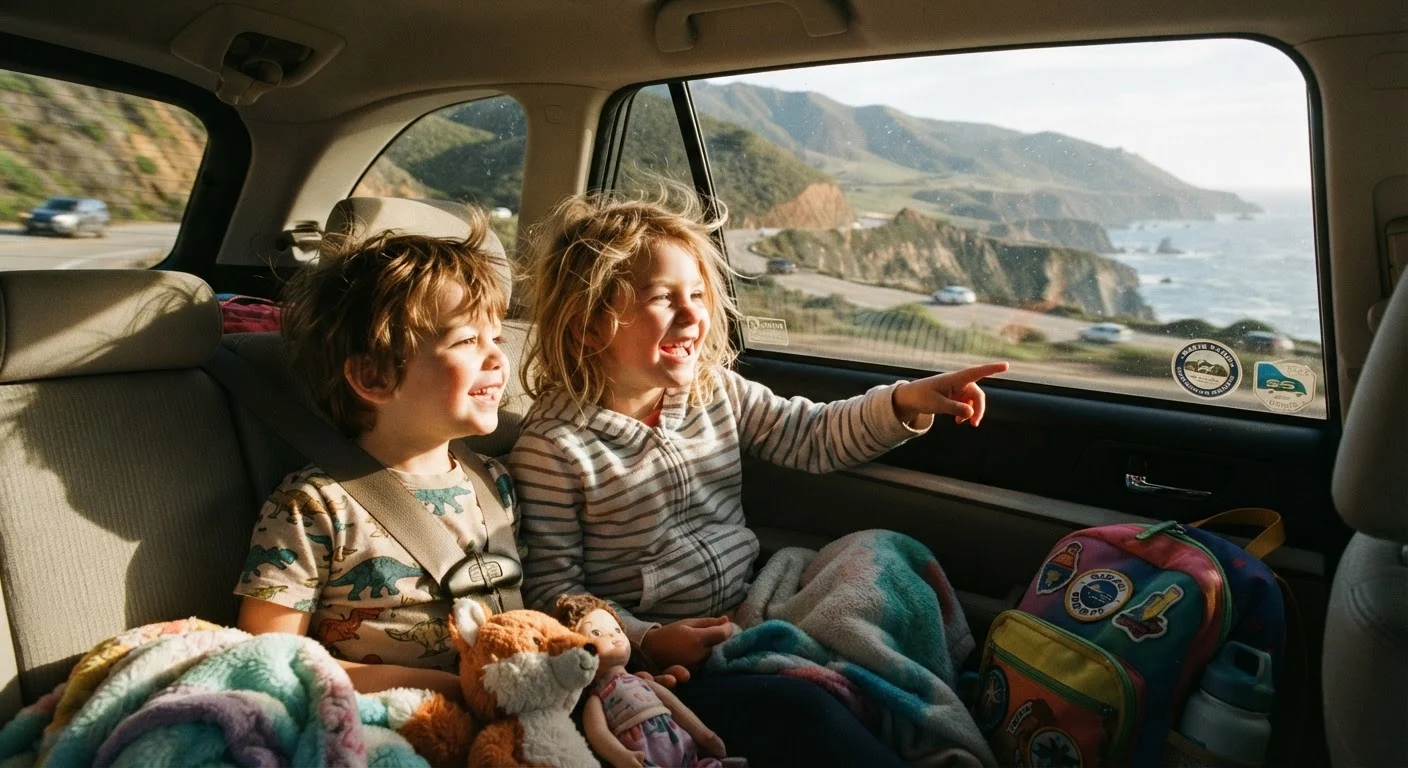
Photo credit: ExploreRoute.net | Travel Made Simple
Activity ideas, rest stop strategies, and seating tips to make family road trips genuinely enjoyable for children and adults alike.
Key Takeaways
- Structured activity rotation keeps kids engaged without relying on screens or devices.
- Strategic rest stops timed to children's energy cycles reduce backseat frustration significantly.
- Comfort-focused seating arrangements and smart packing make long stretches genuinely bearable.
- Involving kids in route planning and storytelling games turns drive time into shared adventure.
- Snack timing and variety play a bigger role in mood management than most parents expect.
Why Screen-Free Road Trips Are Worth the Extra Planning
Anyone who has pulled out of the driveway at 6 a.m. with two kids in the back knows the temptation: hand over the tablet, tune out the noise, and just drive. It works — until the battery dies somewhere in rural Kansas with four hours still to go.
But beyond the practical risk of device dependency, screen-free road trips build something tablets can't: real memory-making. Kids who play car games, watch the landscape, and get involved in the journey tend to arrive with stories to tell. That's the real destination.
It does take more preparation. You'll want to think carefully about what you pack and how, and plan a route that builds in meaningful pauses rather than racing to the finish line. The list below gives you a practical starting point.
Build an Activity Rotation, Not a Marathon Session
Kids lose interest fast — especially when they're confined to a single seat. Instead of handing over a stack of activity books and hoping for the best, rotate activities every 30 to 45 minutes. Alternate between physical (stretching at stops), creative (drawing, storytelling), and interactive (car games with the whole family).
A simple schedule written on an index card gives kids a sense of what's coming next, which reduces the endless loop of "Are we there yet?" Predictability is surprisingly calming for younger travelers.
Rotating activities every 30–45 minutes keeps kids engaged far longer than marathon single-task sessions.
Turn Rest Stops Into Micro-Adventures
Rest stops shouldn't just be bathroom breaks — treat them as built-in adventure segments. Look for stops with walking trails, picnic areas, or interesting state welcome centers. Many interstate rest areas have maps, historical plaques, and open lawns perfect for a 10-minute sprint.
Aim to stop every 90 minutes to two hours with younger children. Bodies that have been sitting still need to move — and that's true for adults too. The same circulation principles that apply on long flights apply in the car: prolonged stillness has real physical effects, especially on children's restless bodies.
Rest stops reimagined as micro-adventures — not just bathroom breaks — transform the tone of the whole trip.
Pack a "Mystery Bag" Revealed in Stages
One of the most effective low-tech tools is a paper bag filled with small, inexpensive surprises — sticker books, mini puzzles, a new deck of cards, a funny joke book — doled out at intervals throughout the drive. Kids anticipate each reveal, and the novelty of an unknown item holds attention far better than familiar toys from home.
Space the reveals around natural milestones: after the first state line, after lunch, after a particularly long highway stretch. It gives kids a sense of progress and something to look forward to.
A staged mystery bag turns the drive itself into a series of small, exciting events rather than one long wait.
Use Audio Storytelling as Shared Entertainment
Audiobooks and podcasts designed for kids aren't screen time — they're a shared auditory experience the whole car can enjoy. Series with serialized chapters work particularly well because they create natural stopping points and build suspense. Kids (and adults) will actually want to get back in the car after a rest stop to find out what happens next.
Curate a playlist before you leave so you're not hunting for something appropriate at 70 mph. Libraries often provide free digital audiobook access through apps, which means no cost and no screen required.
A gripping audiobook series gives kids a reason to want to get back in the car — suspense travels beautifully.
Dial In the Seating Setup Before You Leave
Physical comfort is the foundation everything else rests on. A child who is uncomfortable — too hot, awkwardly positioned, or without adequate support — will struggle no matter how many games you've prepared. Before the trip, verify that car seats and booster seats are properly installed and adjusted for current height and weight. Bring a small travel pillow and a lightweight blanket for napping stretches.
If you have more than one child in the back, consider who sits next to whom. Siblings who trigger each other are better separated by a middle seat buffer when possible. A little pre-departure diplomacy saves a lot of in-motion conflict.
Physical comfort — proper seat fit, temperature, and sibling spacing — is the foundation every other strategy builds on.
Snack Strategically, Not Reactively
Handing snacks over the moment someone complains teaches kids to use food as boredom relief — which leads to overeating and energy crashes on long drives. Instead, build snack times into your rotation schedule so kids know when to expect them. Choose foods that sustain energy: nuts, fruit, cheese, whole grain crackers rather than sugar-heavy options that spike and crash.
For more on building a practical and satisfying on-road food plan, see our guide to eating well on long drives. Keeping a cooler stocked with real options reduces gas station impulse stops and keeps everyone on a more even keel.
Scheduled, intentional snacking prevents the energy spikes and crashes that make long backseat hours genuinely miserable.
Involve Kids in the Journey's Story
Children who feel like participants rather than passengers behave differently. Give each child a simple job: one tracks the state license plates, one holds the paper map and marks off landmarks, one picks the next playlist or audiobook chapter. Ownership creates investment.
You can also build a running family road trip journal — a cheap notebook where each person sketches or writes one thing from each day. By the end of the trip, it's a genuine artifact. Kids who feel like they're part of the story are far less likely to ask when it ends.
Kids who have a role in the journey — tracker, navigator, journalist — become participants, not just passengers.
Making the Whole Trip Work
No single trick carries an entire road trip — it's a combination of preparation, flexibility, and reading the room (or, in this case, the backseat). The best family road trippers are part strategist, part entertainer, and part snack sommelier.
Prep the Night Before, Not the Morning Of
Pack activity bags, load audiobooks, confirm snack supplies, and check seat setups the evening before departure. Morning scrambles mean forgotten items and frayed nerves before you've even reached the highway. A calm, organized start sets the tone for the entire day on the road.
For overnight stretches, think ahead about where you'll rest. Our guide to overnight stops along the route covers everything from campgrounds to budget motels, so you're never scrambling at dusk. And don't underestimate what you eat on the road — kids who are hungry or sugar-crashing don't travel well regardless of how many games you've planned.

Author
Road Trip Culture Editorial Team
Road Trip Culture Editorial Team is the collective byline for our editorial team and contributor network. Articles published under this byline or an editorial pen name are researched, written, and reviewed according to our editorial standards for clarity, consistency, and independence before publication.
View all articles →