
Road Trip Food: Eating Well When You're Far From a Proper Kitchen
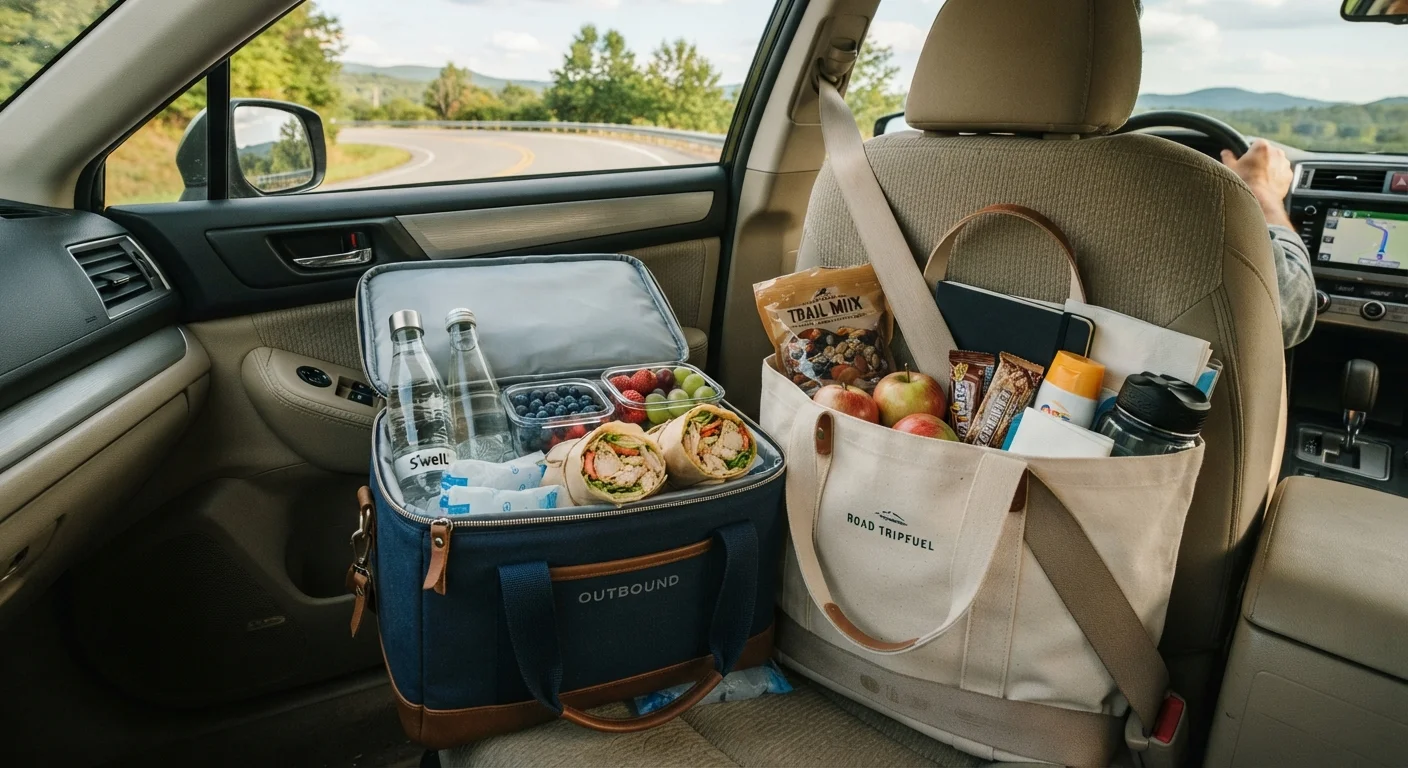
Photo credit: ExploreRoute.net | Travel Made Simple
In this article
Practical guidance on packing, storing, and sourcing food during long drives without relying entirely on petrol station snacks.
Key Takeaways
- A quality cooler and smart packing system can replace most roadside food stops on long drives.
- Protein-rich, low-mess foods reduce energy crashes and keep drivers more alert.
- Local grocery stores and farmers markets are often the best — and most memorable — food stops.
- Food safety basics like temperature management prevent illness far from medical care.
- Planning meals in advance reduces decision fatigue and impulse junk food purchases.
Why Road Trip Food Deserves More Than an Afterthought
Most road trip planning goes into routes, playlists, and accommodation — food gets figured out at the first gas station. That's how you end up surviving on shrink-wrapped pastries and energy drinks for 600 miles. Eating well on the road isn't about being precious; it's about feeling good enough to actually enjoy the journey.
The good news is that a small amount of preparation before you leave home makes an enormous difference. Pair that with knowing where to stop along the way, and you can eat genuinely well — even without a kitchen in sight. For a broader view of everything to pack, see The Road Trip Packing List That Actually Fits in Your Car.
Best Practices for Packing and Storing Road Trip Food
How you pack is just as important as what you pack. These practices will keep your food safe, accessible, and appetizing across long stretches of highway.
Use a hard-sided cooler with ice packs, not loose ice, and organize it with items you'll reach for last on the bottom.
Loose ice melts quickly and leaves food sitting in cold water, accelerating spoilage. Hard coolers maintain temperature far longer than soft bags, and good organization means the lid isn't open longer than necessary — every second counts for temperature retention.
Prioritize protein-rich and fiber-rich foods over simple carbohydrates for snacking.
High-carb snacks like chips and crackers cause blood sugar spikes followed by crashes — the last thing you want when driving for hours. Protein and fiber digest more slowly, providing steadier energy and keeping hunger at bay longer.
Keep a separate dry-goods bag stocked with non-perishables that don't need refrigeration.
A dedicated dry bag means you're not opening the cooler for every snack, helping it stay cold longer. It also gives you backup options if the cooler runs warmer than expected, so you're never without something safe to eat.
Monitor cooler temperature and follow basic food safety guidelines for perishables.
Foodborne illness is a significant risk when you're hours from medical care. Perishable foods should generally stay at or below 40°F (4°C); above that, bacteria multiply rapidly. Being far from home is the worst context for a stomach illness.
Prep meals and snacks in reusable containers before departure rather than packing whole ingredients.
Pre-portioning removes the need for cutting boards, knives, and prep time in cramped conditions. It also reduces food waste and makes eating while parked — or during a co-pilot's snack break — far less messy.
If you're traveling with children, food variety matters even more for morale. Keeping Kids Comfortable on Long Drives Without Screens has strategies that pair well with good snack planning.
Quick Wins You Can Do Before You Leave the Driveway
None of these require much time or money — but each one meaningfully improves the food situation on the road.
Where to Find Good Food When You Do Stop
Not every meal needs to come from the cooler. Strategic stops can turn a fuel break into a genuine highlight.
A Note on Food Safety Away From Home
When you're hours from the nearest urgent care, food safety deserves extra attention. Keep perishables consistently cold, don't leave the cooler in direct sun, and err on the side of discarding anything you're uncertain about. The general two-hour rule for perishables at room temperature is a useful benchmark, though conditions vary — trust your senses and don't take unnecessary risks.
Local grocery stores are consistently underrated. They're stocked with deli counters, fresh produce, regional specialties, and real coffee — often at a fraction of highway restaurant prices. A regional chain you've never heard of is usually a better bet than a familiar fast-food logo.
Farmers markets, when your route and timing allow, are worth a small detour. You'll find seasonal produce, local cheese, cured meats, and baked goods that reflect exactly where you are — the kind of food you can't get at home. Check local market schedules before you go, as hours vary widely.
Food trucks and roadside stands can be excellent, especially in rural areas where brick-and-mortar options are sparse. For guidance on evaluating unfamiliar food vendors safely, Street Food Safety: Practical Knowledge Every Traveling Eater Should Have is a practical reference.
If your trip is built around culinary discovery rather than just fueling up, Planning a Food-Focused Trip: From Destination Research to Table Reservations walks through how to build an itinerary around eating well at every stop.

Author
Road Trip Culture Editorial Team
Road Trip Culture Editorial Team is the collective byline for our editorial team and contributor network. Articles published under this byline or an editorial pen name are researched, written, and reviewed according to our editorial standards for clarity, consistency, and independence before publication.
View all articles →