
Street Food Safety: Practical Knowledge Every Traveling Eater Should Have
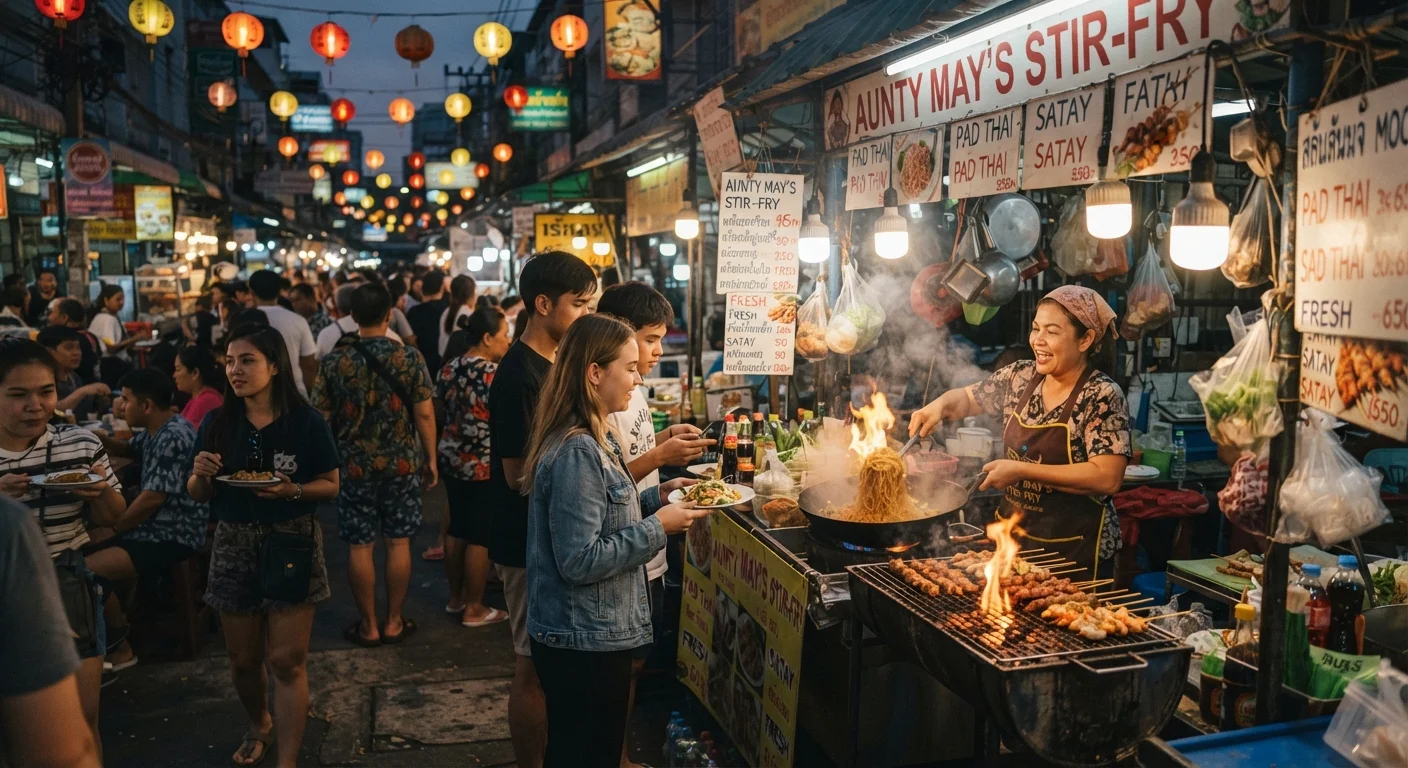
Photo credit: ExploreRoute.net | Travel Made Simple
In this article
Street food is one of travel's great pleasures — and one of its common health risks. Learn the indicators that help you eat well and stay well.
Why Street Food Safety Deserves Serious Attention
Street food is among the most direct paths into a destination's culinary culture — the kind of eating that reveals where authentic local food really lives. It's also one of the most common sources of travel-related gastrointestinal illness. The two facts aren't in conflict; they simply mean that eating well on the road requires practical knowledge, not avoidance.
Foodborne illness while traveling is typically caused by contaminated water, improper food storage, insufficient cooking temperatures, or cross-contamination during preparation. Understanding which conditions create risk — and which signals indicate a vendor is managing those risks well — gives food-curious travelers a meaningful advantage.
This article provides general food safety information for educational purposes. It is not medical advice. Travelers with specific health conditions, compromised immune systems, or dietary requirements should consult a qualified healthcare professional before traveling.
| Primary illness cause | Contaminated water or improper food handling (World Health Organization (WHO), general food safety guidance) |
| Temperature danger zone | 40°F–140°F (4°C–60°C) (US FDA Food Safety guidelines) |
| Safest cooking method | High-heat, cooked-to-order over active flame |
| Common hidden risk | Ice made from unfiltered tap water |
| Best stall signal | High customer turnover with visible food movement |
| Recommended traveler prep | Oral rehydration salts, water purification, consult physician (CDC Travelers' Health general guidance) |
Reading a Street Stall: Key Indicators of Safer Vendors
No visual inspection guarantees food safety, but experienced culinary travelers learn to read stalls the way a seasoned editor reads a manuscript — looking for consistent signals rather than a single definitive marker.
Positive indicators to look for
- High turnover: Food that moves quickly spends less time at risky intermediate temperatures. A stall with a queue and a vendor who can't cook fast enough is usually a good sign.
- Separation of raw and cooked: Vendors who use distinct surfaces, utensils, or stations for raw proteins and ready-to-eat food are applying a fundamental food safety principle.
- Visible heat: Food cooked to order over active flames or high-heat surfaces is less likely to harbor pathogens than pre-cooked items left warming.
- Clean hands or gloves — consistently: The key word is consistently. A vendor who handles money and then food without washing is a meaningful warning sign.
- Covered ingredients: Proteins, sauces, and garnishes kept covered or refrigerated between uses fare better than items left open in warm air.
Patterns worth pausing on
- Pre-cooked proteins sitting at ambient temperature for unknown periods
- Raw and cooked foods sharing the same cutting surface
- Ice of unclear origin used in drinks — tap water frozen in regions with questionable water quality carries the same risks as drinking that water directly
- Reheated rice or starchy dishes that may have passed through the temperature danger zone multiple times
Temperature danger zone
The range between 40°F and 140°F (4°C and 60°C) in which bacteria multiply most rapidly in food. Food held in this range for extended periods carries elevated illness risk.
Cross-contamination
The transfer of harmful bacteria or pathogens from one food, surface, or utensil to another. A common cause of foodborne illness at food preparation stations with shared tools or surfaces.
Oral rehydration salts (ORS)
A mixture of salts and sugars dissolved in water, used to treat dehydration caused by diarrhea or vomiting. Widely recommended as a first-response travel health supply.
Pathogen
A microorganism — such as a bacterium, virus, or parasite — capable of causing disease. In a food safety context, common pathogens include Salmonella, E. coli, and norovirus.
Water purification
Any method — boiling, filtration, chemical treatment, or UV light — used to remove or neutralize pathogens from water, making it safer to drink or use in food preparation.
Water, Ice, and the Hidden Risk in Drinks
Experienced food travelers know to check the food — but water-borne risk hides in places that feel safer. Fresh-squeezed juice made with unfiltered tap water, ice in drinks, and even rinsed raw vegetables in high-risk water environments can deliver the same pathogens as unsafe food.
A useful mental framework: trace everything liquid back to its source. In destinations where tap water is not reliably safe to drink, assume that water touched anything without knowing its origin.
Verify Entry and Health Requirements Before You Travel
Water safety profiles, recommended vaccinations, and food-related health advisories vary significantly by destination and can change. Always verify current conditions with official government travel advisories (such as the CDC Travelers' Health site or your country's foreign ministry) and consult a qualified healthcare provider before departure. This article provides general educational context only.
Building your water awareness before departure is part of the pre-trip food research checklist every culinary traveler should run through. Knowing a destination's water quality profile in advance lets you make faster, more confident decisions on the ground.
Building Your Own Eating Rhythm Safely
One underappreciated strategy is gradual exposure. Arriving in a new food environment and immediately eating adventurously across every category — raw, fermented, spiced, unfamiliar proteins — is a recipe for sensory and digestive overload. Experienced culinary travelers typically spend the first day or two eating conservatively: cooked foods, familiar preparation methods, bottled or verified-safe water. This allows the digestive system to acclimate before broader exploration begins.
It also builds local reference points. Understanding what a vendor's baseline looks like when you're eating cautiously makes it easier to assess unfamiliar stalls later. This principle connects directly to building your first food-led journey — structured, intentional eating beats impulsive sampling.
Carrying basic supplies matters too: oral rehydration salts, any prescription medications your doctor recommends for travel, and a reliable water purification method for remote situations. These aren't signs of pessimism — they're the equipment of a well-prepared eater.
~600M
People affected by foodborne illness annually worldwide
According to the World Health Organization, an estimated 600 million people fall ill from contaminated food each year globally.
1 in 10
People worldwide affected by unsafe food annually
WHO estimates that unsafe food causes illness in roughly 1 in 10 people worldwide each year, underscoring how common food safety risk is.
Finally, recognize that even food festivals vs. everyday eating carry different risk profiles. High-volume festival cooking can introduce shortcuts that regular market vendors wouldn't take. Apply the same reading skills wherever you eat.

Author
Specialty Travel Editorial Team
Specialty Travel Editorial Team is the collective byline for our editorial team and contributor network. Articles published under this byline or an editorial pen name are researched, written, and reviewed according to our editorial standards for clarity, consistency, and independence before publication.
View all articles →