
Roadside Emergencies Every Driver Should Know How to Handle
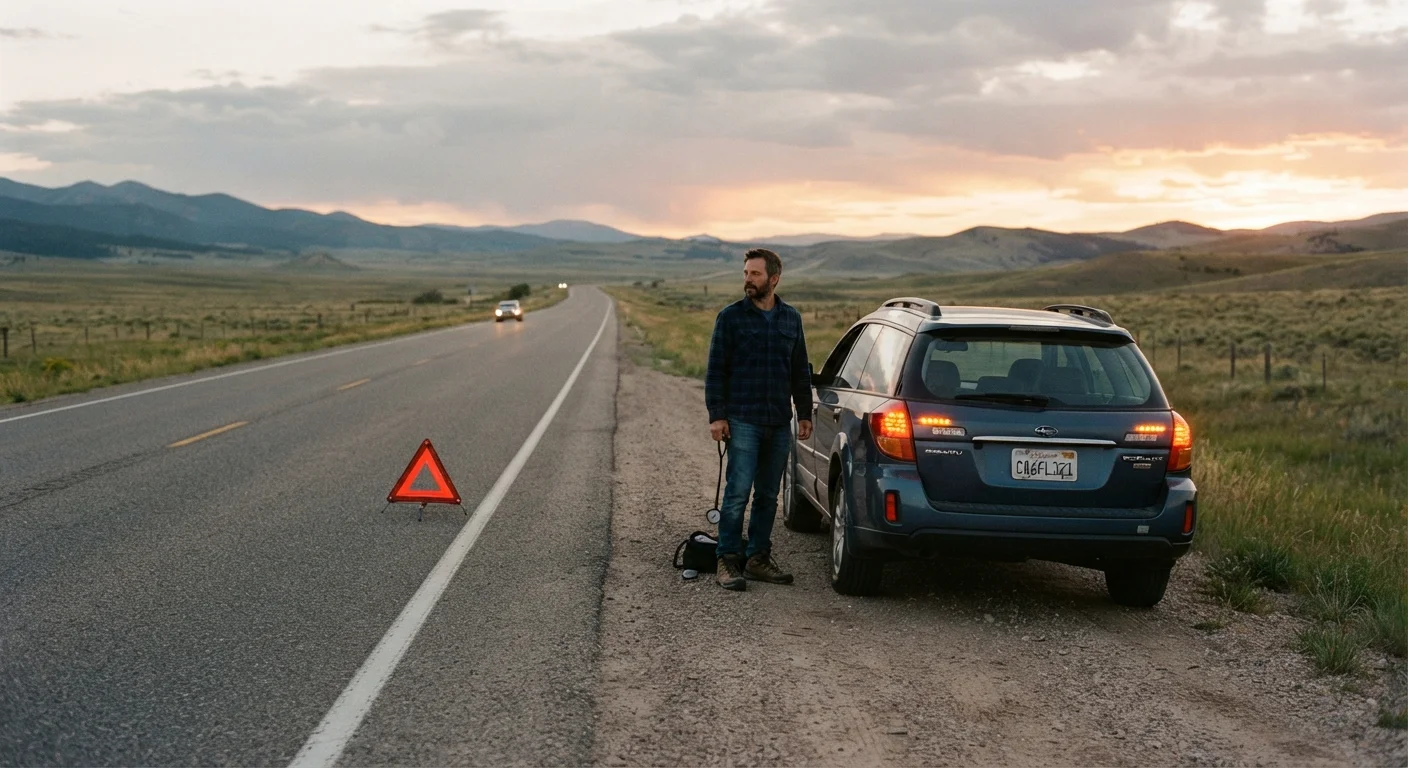
Photo credit: ExploreRoute.net | Travel Made Simple
In this article
From flat tyres to overheating engines, here's a calm, practical overview of common roadside situations and how to respond safely.
Why Every Road Tripper Needs a Roadside Game Plan
The moment a warning light flickers to life on a remote backroad, the difference between a minor inconvenience and a dangerous situation often comes down to one thing: knowing what to do next. Roadside emergencies are rarely catastrophic on their own — it's panic and poor decisions that escalate them.
Whether you're cruising a coastal highway or venturing into the hidden scenic drives that most GPS systems never suggest, a basic fluency in roadside situations is as essential as a full tank of fuel. This reference guide covers the most common scenarios, step by step, so you can respond with calm and clarity.
Before you ever face an emergency, the best investment is prevention. See our pre-departure vehicle checklist for the inspections that catch problems before they strand you.
| First action in any emergency | Activate hazard lights and move safely off the road |
| Warning triangle placement | 50–100 feet behind the vehicle minimum |
| Engine cooling wait time | At least 30 minutes before opening radiator cap |
| Jump-start: first cable connected | Red (positive) to dead battery positive terminal |
| Brake failure: first response | Pump pedal firmly, downshift, use engine braking |
| Safest place to wait for help | Behind a guardrail or well away from traffic lanes |
Common Roadside Emergencies and How to Handle Them
Flat Tyre
Don't brake hard. Ease off the accelerator, grip the wheel firmly, and steer gradually toward the shoulder. Once stopped safely off the travel lane, activate hazard lights immediately and place warning triangles or flares at least 50–100 feet behind your vehicle. Change to your spare only if you can do so safely and on stable, level ground. If conditions are unsafe — heavy traffic, soft shoulder, darkness — stay in the car with seatbelt on and call for roadside assistance.
Overheating Engine
If the temperature gauge climbs into the red, turn off the air conditioning and turn on the heater to draw heat away from the engine. Pull over as soon as safely possible and shut off the engine. Never open the radiator cap when the engine is hot — coolant under pressure can cause serious burns. Allow at least 30 minutes of cooling before checking fluid levels. Carry extra coolant and distilled water in your emergency kit, especially on trips through desert or mountain terrain.
Dead Battery
Signs include a slow or silent starter, dim lights, or no response at all when you turn the key. If you have jumper cables and a willing fellow driver, connect red (positive) to dead battery's positive terminal first, then to the good battery's positive; connect black (negative) to the good battery's negative, then to an unpainted metal surface on the dead car (not the battery itself). Run the working vehicle for a few minutes, then attempt to start yours. If jump-starting isn't an option, call roadside assistance.
Running Out of Fuel
Fuel gauges aren't perfectly accurate, and remote roads can stretch farther than expected. The scenic drive preparation checklist specifically addresses fuel range for good reason. If you coast to empty, pull fully off the road, activate hazards, and call for assistance. Walking along highways carries serious risk — stay with your vehicle where possible.
Brake Problems
If brakes feel soft or unresponsive, pump the pedal firmly several times to build pressure. Downshift to a lower gear to use engine braking, and if needed, use the parking/emergency brake gradually — not suddenly. Keep the vehicle moving toward an exit or wide shoulder. This situation warrants a tow, not a roadside fix.
Hazard lights
Also called four-way flashers, these cause all four turn-signal lights to blink simultaneously. Activate them immediately whenever your vehicle is stopped or disabled on or near a roadway.
Engine braking
Using a lower gear to slow the vehicle via engine resistance rather than relying solely on the brakes. Particularly useful when brakes are overheated or failing.
Coolant
A fluid (usually a mix of antifreeze and water) that circulates through the engine to regulate temperature. Low coolant is a common cause of engine overheating.
Roadside assistance
A service — often provided through auto clubs, insurers, or vehicle manufacturers — that dispatches help for breakdowns, flat tyres, fuel delivery, and towing. Check your coverage before a long trip.
Spare tyre
A backup tyre stored in or on the vehicle for emergency use. Compact 'donut' spares are common but are typically rated for limited speed and distance — consult your owner's manual for restrictions.
A well-stocked emergency kit makes every scenario more manageable. Our road trip packing list includes the safety gear worth carrying without overloading your vehicle.
Staying Safe While You Wait
Once you've taken initial steps, your primary job is staying visible and safe. On highways, remain behind a guardrail or as far from traffic as possible — not standing beside your car in the travel lane. If you must stay inside the vehicle on a busy road, keep your seatbelt on.
Cell coverage can be unreliable on remote routes. Consider carrying a satellite communicator or downloaded offline maps. Remote terrain driving carries unique risks — common myths about off-highway driving are worth reviewing before heading into unfamiliar backcountry.
Know Your Roadside Assistance Coverage
Before any long trip, verify whether your auto insurance, vehicle warranty, or any memberships include roadside assistance. Coverage details — including towing distance limits and response times — vary widely between providers. Knowing what's covered before you need it saves critical time in a stressful moment.
This article provides general educational information about common roadside situations. Always follow the specific guidance of local emergency services, your vehicle manufacturer, and roadside assistance providers. Conditions vary; when in doubt, call for professional help rather than attempting repairs in unsafe circumstances.

Author
Road Trip Culture Editorial Team
Road Trip Culture Editorial Team is the collective byline for our editorial team and contributor network. Articles published under this byline or an editorial pen name are researched, written, and reviewed according to our editorial standards for clarity, consistency, and independence before publication.
View all articles →