
What 'Scenic Route' Really Means — and When to Take One
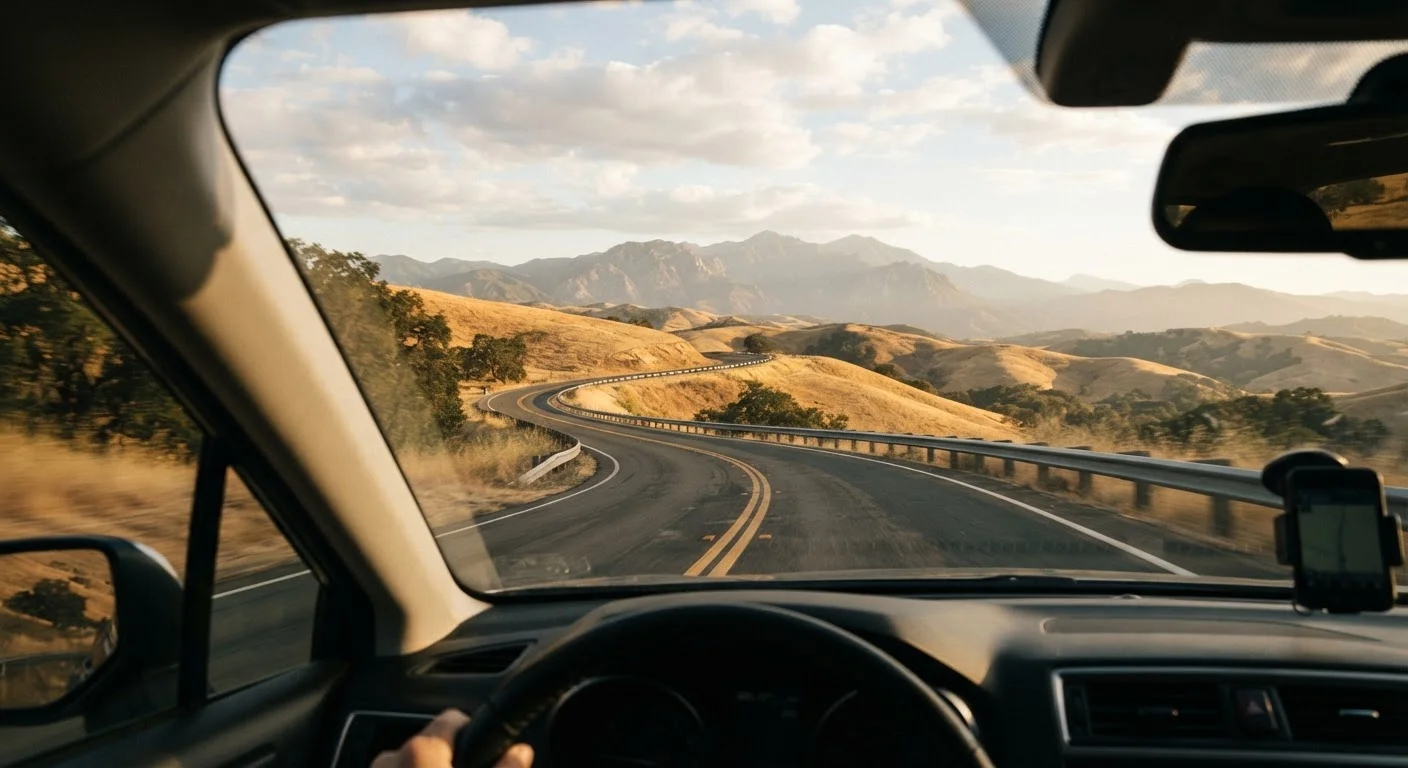
Photo credit: ExploreRoute.net | Travel Made Simple
In this article
Not all scenic routes are equal. Understand the geography, conditions, and timing considerations behind detours worth taking.
Key Takeaways
- A scenic route prioritizes journey quality over travel efficiency — the two are not mutually exclusive.
- Official designations like National Scenic Byways provide a useful but incomplete map of worthwhile drives.
- Season, daylight, road surface, and vehicle type all determine whether a scenic route is practical for your trip.
- Adding significant mileage or time is only worth it when the landscape itself delivers — plan with honest expectations.
- The best scenic detours are chosen deliberately, not stumbled into unprepared.
More Than a Pretty Drive
The phrase "scenic route" gets tossed around casually — a synonym for "the long way" or a polite excuse for getting lost. But the concept has real substance worth understanding before you turn off the interstate. At its core, a scenic route is a road where the experience of driving is the point, not just the means to an end.
That distinction matters. An efficient route moves you through geography; a scenic one puts you in it. The difference shows up in road design, speed limits, landscape framing, and the kinds of stops available along the way. Scenic roads tend to follow natural contours — coastlines, river valleys, ridge lines — rather than cutting through them. They pass through towns rather than bypassing them.
For travelers who want to understand what they're actually choosing when they take the scenic route, America's iconic road corridors offer a concrete reference point — but the principle applies to backroads everywhere.
150+
Designated National Scenic Byways and All-American Roads in the U.S.
According to the Federal Highway Administration's National Scenic Byways Program, which recognizes routes across all 50 states.
31%
U.S. road trippers who say the drive itself — not the destination — is the primary motivation
Based on findings from the American Automobile Association's annual road trip surveys examining traveler priorities.
96,000+ miles
Total mileage covered by America's designated scenic byways
A figure cited by the Federal Highway Administration reflecting the cumulative reach of the National Scenic Byways Program across the country.
Official Designations vs. Genuine Character
The U.S. National Scenic Byways Program, administered by the Federal Highway Administration, provides one framework for identifying quality drives. Routes earn recognition across six intrinsic qualities: scenic, historic, cultural, natural, recreational, and archaeological. The program's All-American Roads represent the highest tier — routes considered destinations in their own right.
That said, official designation is neither a guarantee of experience nor a ceiling on what qualifies. Some of the most breathtaking drives in the country carry no federal or state label. A farm-to-market road through Texas Hill Country in wildflower season, a forest route through Vermont in October, or a desert two-lane in the Southwest at golden hour can outperform many signed byways on sheer visual impact.
Hidden scenic drives — those away from the well-marked tourist corridors — often deliver exactly what heavily promoted routes promise but struggle to provide: solitude, authenticity, and a sense of genuine discovery. The gap between what makes a route iconic and what makes it worth driving is worth thinking through before you plan.
When Conditions Make or Break the Decision
Deciding to take a scenic route is never just a map decision — it's a conditions decision. The same road that delivers extraordinary views in September can be dangerous, impassable, or simply unrewarding under different circumstances.
Key factors to weigh before committing to a scenic detour:
- Season and weather: Mountain passes close in winter; desert roads become untenable in summer midday heat; coastal routes can fog over entirely. Research typical conditions for the time of year, not just the forecast for your departure day.
- Daylight: Scenic routes taken in the dark aren't scenic — they're just slow. Plan your timing so the most visually rewarding sections fall during usable daylight hours.
- Road surface and vehicle clearance: Paved scenic routes and unpaved forest or BLM roads are categorically different commitments. Know your vehicle's limitations before the pavement ends.
- Added distance vs. actual payoff: A 40-mile detour through nondescript terrain to rejoin the same highway isn't a scenic route — it's a loop. Honest pre-trip research saves disappointment.
Before heading into unfamiliar territory, reviewing a scenic drive preparation checklist can prevent the kind of surprises that turn a detour into an ordeal.
Time Your Drive Around the Light
The single most reliable way to improve any scenic route experience is to arrange your driving schedule so the most dramatic sections fall in the first or last two hours of daylight. Midday light is flat and harsh; golden hour transforms ordinary landscapes into something memorable. Check local sunrise and sunset times during route planning, not just on the day of departure.
Reading the Road as You Go
Part of what makes a scenic route rewarding is the active experience of moving through a landscape — not just looking at it through a windshield passively. The geology underfoot, the shift in vegetation, the change in light as elevation rises: all of it tells a story if you know what to watch for.
Developing the habit of reading a landscape from the driver's seat transforms a scenic drive from a visual backdrop into an immersive experience. You start to understand why the road goes where it goes, why the towns appeared where they did, and what the land was doing long before the pavement arrived.
That engagement is ultimately what separates a scenic route worth taking from a route that merely looks promising on paper. The road rewards attention — and the driver who brings curiosity to it comes away with more than photographs.
For those thinking beyond a single drive toward a full journey designed around the experience, planning a route that rewards the journey is the natural next step.
Frequently Asked Questions

Author
Road Trip Culture Editorial Team
Road Trip Culture Editorial Team is the collective byline for our editorial team and contributor network. Articles published under this byline or an editorial pen name are researched, written, and reviewed according to our editorial standards for clarity, consistency, and independence before publication.
View all articles →