
Cold-Weather Expedition Travel: Layering Systems, Frostbite Awareness, and Camp Discipline
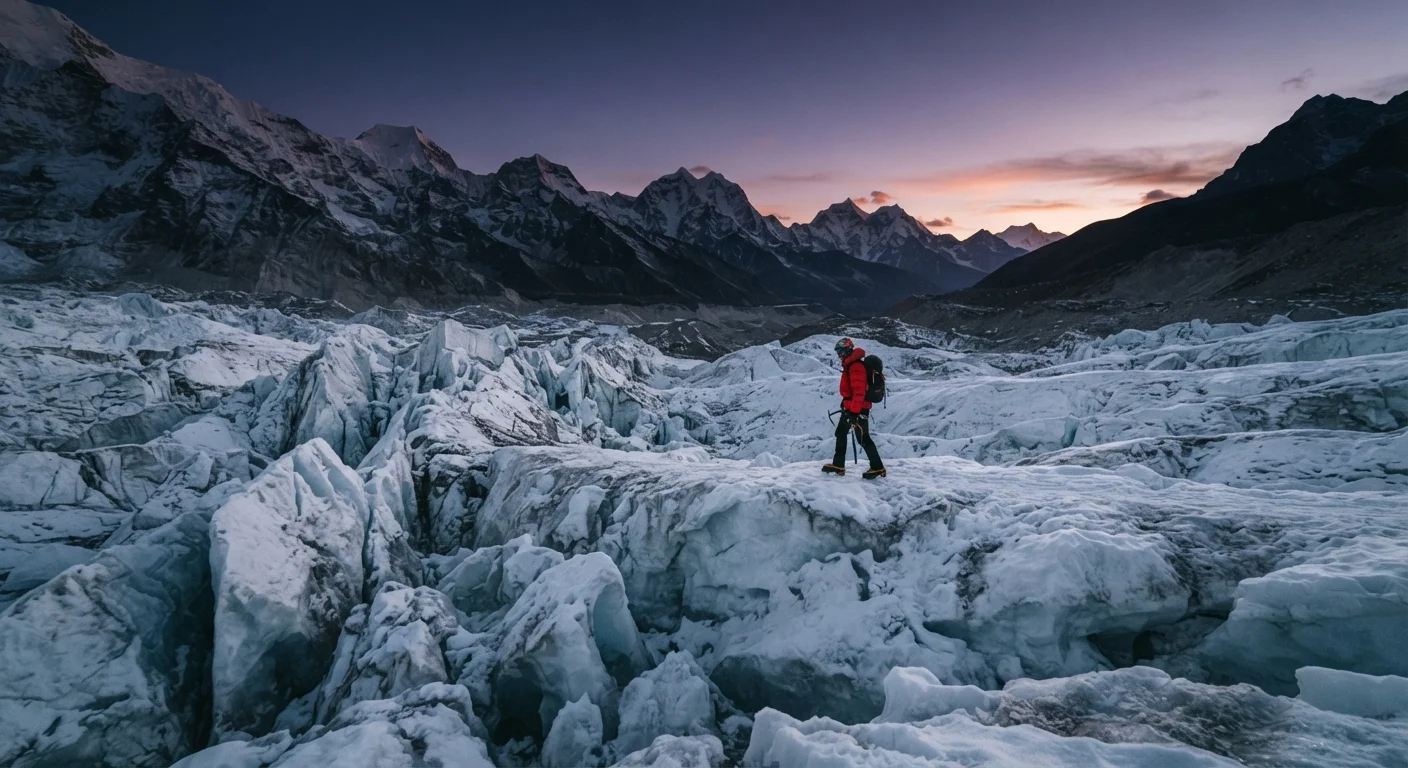
Photo credit: ExploreRoute.net | Travel Made Simple
In this article
A comprehensive resource on surviving and thriving in sub-zero adventure environments — from layering science to campsite safety protocols.
Key Takeaways
- A three-layer system — moisture-wicking base, insulating mid-layer, and weather-blocking shell — is the foundation of cold-weather survival.
- Frostbite progresses in stages; early recognition of frostnip can prevent lasting tissue damage.
- Camp discipline — including consistent tent protocols and hydration routines — is as important as gear quality in polar environments.
- Cotton is universally unsuitable for cold-weather expeditions because it retains moisture against the skin.
- Always verify current entry requirements, safety advisories, and medical guidance with official sources before departing.
Understanding the Cold: Why Sub-Zero Environments Demand Respect
Cold-weather expedition travel — whether across Arctic tundra, high-altitude glaciers, or subarctic wilderness — operates by fundamentally different rules than mainstream adventure tourism. Temperatures that drop well below freezing compress the margin for error to near zero. Wind chill can drive apparent temperatures 20°F or more below the ambient reading, accelerating heat loss faster than most travelers anticipate.
What separates successful polar expeditions from dangerous ones is rarely gear alone — it is the disciplined application of knowledge before conditions deteriorate. The travelers who thrive in these environments treat cold not as an obstacle but as an ever-present variable that demands constant management.
For those considering polar expedition cruises, understanding what Arctic and Antarctic itineraries realistically cover is an essential first step. Equally, the realities of cold-climate lodging — from darkness cycles to heating infrastructure — are explored in depth in our guide to cold-climate accommodations in Arctic and subarctic regions.
Cold Kills Faster Than Most Travelers Expect
Hypothermia can develop at temperatures well above freezing when wind and moisture are present. Overconfidence in gear without corresponding behavioral discipline is a documented factor in cold-weather emergencies. No layering system compensates for poor decision-making, inadequate nutrition, or delayed response to early warning signs. Completing a certified wilderness first aid course before an expedition is strongly advisable.
The Science of Layering: Building Your Thermal Defense
The layering system is the cornerstone of cold-weather clothing strategy. It works by trapping warm air in distinct zones while managing moisture — sweat is the enemy of warmth, and wet insulation fails rapidly.
Base Layer: Moisture Management
The base layer sits directly against skin. Its job is to wick perspiration away from the body. Merino wool and synthetic fabrics (polyester, polypropylene) are the standards. Never use cotton — it absorbs moisture and loses all insulating value when wet, a dangerous failure in sub-zero conditions.
Mid Layer: Insulation
The mid layer traps body heat. Down insulation offers the best warmth-to-weight ratio in dry conditions, while synthetic fills (such as PrimaLoft-style materials) retain insulating capacity even when damp — a meaningful advantage in humid or maritime polar environments. Fleece is a versatile mid-layer option for high-output activities where breathability matters.
Outer Shell: Weather Protection
The shell blocks wind, precipitation, and snow. Hardshell jackets with waterproof-breathable membranes are the expedition standard. Softshells offer greater breathability but provide less protection in sustained precipitation. For extreme cold, an insulated hardshell combines mid and outer layers into a single garment — useful when weight and pack size are critical constraints.
Vent before you sweat. If you feel warmth building during high-output activity, open zippers and release heat before perspiration saturates your base layer — a wet base layer will chill you rapidly the moment you stop moving.
Moisture management is the central challenge of cold-weather layering; proactive ventilation preserves the insulating integrity of all three layers simultaneously.
Pre-warm your sleeping bag for five minutes with body movement before lying down — a cold bag takes significantly longer to reach thermal efficiency and can contribute to a dangerous core temperature drop overnight.
Sleeping bags are insulation, not heat sources; they reflect body heat, so entering one already slightly warmed dramatically shortens the time to comfortable sleeping temperature.
Extremities — hands, feet, and face — require their own layering logic. Mittens retain heat better than gloves; liner gloves underneath allow dexterity during brief tasks. Insulated, waterproof boots rated below the expected low temperature are non-negotiable. For a complete gear framework, the adventure travel packing checklist serious outdoors travelers use covers terrain-tested essentials across multi-environment trips.
20°F+
Wind chill temperature drop beyond ambient
Wind chill effects can reduce apparent temperature by 20°F or more, according to NOAA wind chill chart data, significantly accelerating heat loss from exposed skin.
30 min
Time to frostnip on exposed skin at -20°F with wind
NOAA's Wind Chill Temperature Index indicates exposed skin can reach frostnip conditions in approximately 30 minutes at -20°F with a 10 mph wind.
Frostbite and Cold Injuries: Recognition and Response
Cold injuries exist on a spectrum, and early recognition dramatically affects outcomes. This section provides general educational information — it is not a substitute for wilderness first aid training or professional medical guidance.
Frostnip
Frostnip is the mildest form of cold injury. Affected skin appears red and feels numb or tingly. It is reversible with gentle rewarming — body heat from a warm hand, or moving to a sheltered environment. No blistering occurs at this stage.
Superficial Frostbite
As exposure continues, skin may turn white or grayish and feel waxy or firm to the touch while the underlying tissue remains soft. Blistering can develop after rewarming. Individuals should seek medical evaluation promptly.
Deep Frostbite
Deep frostbite involves freezing of underlying tissue, producing hard, wooden-feeling skin with potential for serious long-term injury. Rewarming in the field is generally inadvisable unless evacuation is impossible — refreezing after rewarming causes significantly greater damage. Always follow the guidance of qualified medical personnel and your expedition's medical protocols.
Do Not Rewarm Frostbite in the Field Unless Necessary
Rewarming deeply frostbitten tissue before reaching medical care is generally contraindicated unless evacuation is impossible. If refreezing occurs after rewarming, the tissue damage is substantially worse. Follow your expedition's established medical protocols and seek professional medical care as rapidly as conditions allow. This information is educational — always defer to qualified medical personnel in the field.
Hypothermia — a drop in core body temperature — is a separate and potentially life-threatening condition that can develop even at temperatures above freezing, particularly in wet or windy conditions. Shivering is an early warning sign; severe confusion or loss of coordination indicates an emergency. Consult qualified wilderness first aid resources and seek emergency assistance immediately in the field.
Camp Discipline: The Protocols That Keep Expeditions Safe
In sub-zero environments, camp routines become safety systems. Inconsistency is what gets people into trouble — a forgotten glove left outside, a missed meal, an unclipped tent door. Experienced polar expedition teams treat camp discipline with the same seriousness as technical mountaineering skills.
Tent Protocols
Every piece of gear that enters or exits a tent should follow a fixed sequence. Snow and moisture tracked in will freeze overnight and degrade the sleeping environment. Boots and damp outer layers should be stored at the foot of the sleeping bag — body heat prevents them from freezing solid. Tent stakes and guylines should be checked every time weather changes, not just at setup.
Hydration and Nutrition
Cold air is extremely dry. Respiratory water loss increases significantly in arctic conditions, making dehydration a real risk even when temperatures suppress thirst signals. Establish fixed hydration schedules rather than relying on thirst. High-fat, high-calorie food provides the fuel the body burns to generate heat — this is not optional in sustained cold exposure.
Communication and Accountability
No one moves alone. Buddy checks for exposed skin, signs of cold injury, and mental alertness should occur at regular intervals. Expedition teams typically assign specific check-in windows and define turnaround conditions before leaving camp. Pre-agreed protocols remove the pressure of in-the-moment decision-making when fatigue and cold impair judgment.
The principles of matching shelter approach to environment — particularly relevant when transitioning between polar, alpine, and other extreme terrain — are covered in our comparison of desert camps, jungle lodges, and Arctic cabins.
Establish a Pre-Sleep Gear Ritual
Before settling in for the night, place tomorrow's base layer inside your sleeping bag so it warms overnight. Dressing in pre-warmed clothing in the morning reduces the dangerous cold shock that causes many expeditioners to rush their layering and make mistakes. Consistent small rituals like this are what keep teams performing well across multi-day expeditions.
Planning and Preparation Before You Go
Effective cold-weather expeditions are built months before departure. The planning phase is where most preventable failures are avoided.
Physical Conditioning
Cold-weather travel places significant cardiovascular and muscular demands on the body. Cardiovascular endurance, load-bearing strength, and cold-acclimatization walks in appropriate gear before a major expedition meaningfully reduce risk. Consult a qualified healthcare professional before beginning any new training regimen, particularly if you have pre-existing conditions.
Medical and Vaccination Review
Depending on destination, specific vaccinations or medications may be recommended. Entry requirements, health documentation standards, and vaccination guidance vary by country and change periodically. Always verify current requirements with official government sources — your country's foreign affairs or state department travel advisory pages — and consult a travel medicine specialist well in advance of departure.
Navigation and Communication
GPS devices, paper topographic maps, and compasses should all be carried — electronic devices fail in extreme cold as battery performance drops sharply. Satellite communication devices are considered standard equipment for remote polar travel, providing emergency contact capability where cellular networks do not exist.
For those building out a full gear and documentation checklist, the adventure travel packing checklist offers a structured starting framework. Those planning road-based access to cold-weather regions may also find practical value in road trip essentials for logistics guidance.
This article is for general educational and informational purposes only and does not constitute medical, safety, or professional expedition advice. Always consult qualified medical professionals, certified wilderness first aid instructors, and official government travel advisories before undertaking cold-weather expedition travel.

Author
Specialty Travel Editorial Team
Specialty Travel Editorial Team is the collective byline for our editorial team and contributor network. Articles published under this byline or an editorial pen name are researched, written, and reviewed according to our editorial standards for clarity, consistency, and independence before publication.
View all articles →