
Cold-Climate Accommodations: The Practical Realities of Staying in Arctic and Subarctic Regions
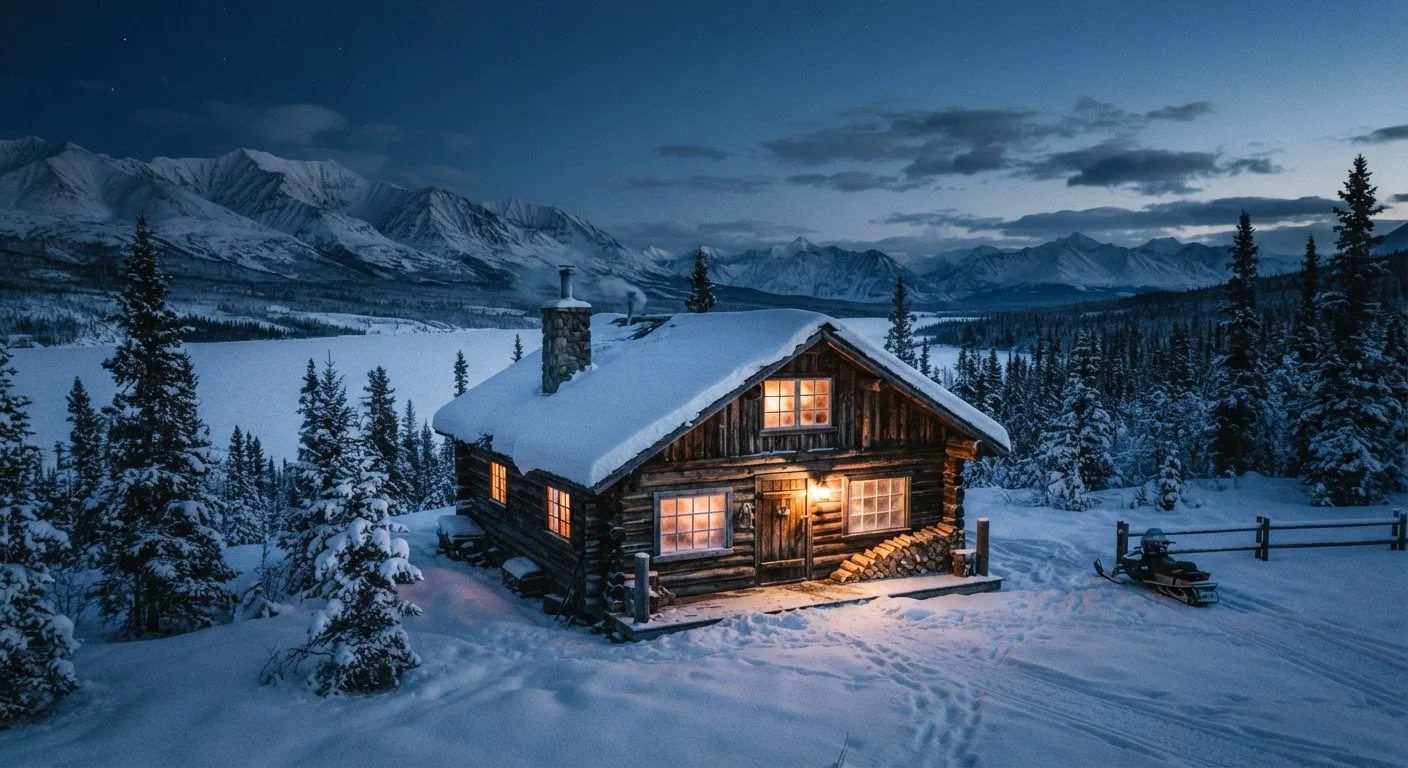
Photo credit: ExploreRoute.net | Travel Made Simple
In this article
From heating systems to darkness cycles, polar and subarctic lodging presents distinct conditions travelers should understand in advance.
Key Takeaways
- Arctic and subarctic lodging requires specific infrastructure knowledge before arrival, not after.
- Light cycle disruption — both polar night and midnight sun — materially affects sleep and scheduling.
- Heating reliability varies sharply between lodging types; always confirm backup systems.
- Access to remote cold-climate properties often depends on weather, ice conditions, or scheduled transport.
- Safety preparation and communication plans are non-negotiable in areas with limited emergency response.
- Match your lodging type to your tolerance for austerity — comfort ranges widely across the cold spectrum.
What Sets Polar and Subarctic Lodging Apart
Staying in Arctic or subarctic regions isn't simply a matter of packing heavier clothing. The accommodation itself operates under physical and logistical constraints that fundamentally differ from temperate travel. Structures must contend with permafrost, which can destabilize foundations over decades. Heating fuel must be stockpiled or piped in, often at significant cost. Plumbing requires freeze-protection systems. None of this is invisible to the traveler — it shapes what is available, what fails, and what comfort actually means at −30°C.
For travelers already familiar with mainstream cold-weather destinations like the Swiss Alps or Quebec City in winter, the polar and subarctic experience represents a categorical shift. The infrastructure margin is thinner, the environmental stakes are higher, and the accommodation landscape ranges from sparse wilderness cabins with composting toilets to surprisingly sophisticated glass-roofed lodges engineered for aurora viewing. Understanding this range is the first practical step.
See our guide to terrain-specific lodging approaches for a broader comparison of how environment shapes accommodation style across extreme climates.
−40°C
Recorded winter lows in parts of interior Alaska and Yukon
Temperatures at this extreme are common in subarctic continental interiors, placing extreme demands on building heating systems.
67 days
Duration of polar night in Svalbard, Norway
Svalbard experiences continuous darkness from roughly late October to mid-February, affecting traveler circadian rhythms significantly.
24 hrs
Continuous daylight during peak midnight sun season
Northern destinations above the Arctic Circle receive round-the-clock sunlight during summer months, disrupting normal sleep cues for visitors.
Heating Systems and Structural Insulation
The heating system in a cold-climate property is arguably its most critical feature — yet it's rarely detailed in booking descriptions. Most purpose-built lodges in regions like northern Norway, Finnish Lapland, or the Yukon rely on oil, propane, or wood biomass systems, sometimes supplemented by electric backup. In properties that experience extreme cold snaps (−40°C is not unusual in parts of interior Alaska or Siberia), a single heating failure can become a safety issue within hours.
Insulation standards also vary considerably. Scandinavian lodge construction often follows rigorous energy codes, producing properties that retain heat efficiently even without active heating running at full capacity. By contrast, some remote wilderness camps or heritage cabins prioritize authenticity over thermal performance — meaning guests may wake to cooled interiors if the wood stove dies overnight.
Before booking, ask the property directly what their backup heating system is and how quickly staff can respond to a failure overnight. A reliable answer tells you a great deal about the property's operational maturity.
Heating failures in extreme cold are genuine safety events, not just comfort inconveniences. Properties that have thought through contingency protocols are materially safer.
Request a room away from exterior walls or with an interior-facing sleeping area if you're staying in a very cold region — peripheral rooms in older lodge buildings lose heat faster and can feel significantly colder by early morning.
Thermal mass and wall exposure directly affect ambient room temperature in properties with less-than-ideal insulation, particularly during overnight temperature drops.
Window design matters more than it appears. Double or triple-glazed windows dramatically reduce cold-wall radiation, which is a form of heat loss that makes a room feel colder than its air temperature suggests. Properties that skimp on glazing quality often feel drafty even when the thermometer says otherwise.
For travelers considering stays in engineered ice or snow structures, the thermal calculus is entirely different. Those environments maintain a stable interior temperature near 0°C by design — cold but consistent. Read more about those specific conditions in our piece on what ice hotel stays actually demand.
Light Cycles and Sleep Disruption
Two phenomena — polar night and the midnight sun — affect travelers in ways that are easy to underestimate from the comfort of a temperate home. Polar night, which occurs when the sun doesn't rise above the horizon for consecutive days or weeks, isn't simply dark evenings. It's a sustained, weeks-long absence of daylight that alters mood, energy, and circadian rhythm for many people. Destinations like Tromsø, Svalbard, and Utqiaġvik (Barrow), Alaska experience this from November through January.
The midnight sun reverses the challenge: continuous daylight during summer months disrupts sleep onset for visitors unaccustomed to it. Many cold-climate properties in summer-season destinations now install blackout curtains as standard, but it's worth confirming this before booking, particularly if you're a light-sensitive sleeper.
Confirm Blackout Provisions Before Booking
If you're visiting a midnight sun destination and are sensitive to light during sleep, contact the property to confirm blackout curtains or shutters are fitted. Not all cold-climate lodges in summer-season locations prioritize this. Some aurora-focused properties actively discourage blackout features to preserve sky visibility, so clarify your priorities early.
Properties that cater specifically to aurora viewing — geodesic glass cabins in Finland, A-frame observatories in northern Canada — are architecturally optimized for nighttime visibility, which means they often sacrifice blackout capability in favor of sky access. Understand that trade-off before choosing one for a longer stay.
Access, Infrastructure, and Realistic Expectations
Remote cold-climate properties frequently rely on small aircraft, snowmobiles, dog sleds, or ice roads for access. Ice roads — seasonal routes across frozen lakes and rivers — are among the most dramatic infrastructure elements in subarctic travel. They operate within narrow temperature windows and close without notice when conditions change. A property accessible by ice road in February may require helicopter access in early December or late March.
Connectivity and amenities follow similar patterns. Satellite internet is increasingly available but inconsistent; cell coverage in genuinely remote arctic areas is often nonexistent. Hot water may be limited in properties where water must be heated on demand from a stored tank. Power outages during storms are more common than at urban hotels, and many properties operate generators rather than grid power.
Travelers considering polar expedition cruises should note that shore-based accommodations in these regions, when available, share many of the same infrastructure constraints — see our editorial overview of what Arctic and Antarctic expedition cruise routes actually cover for context on how ship-based logistics interact with land access.
Ice Roads Close Without Warning
If your access to a property depends on a seasonal ice road, understand that closure can happen at any point in the season due to temperature fluctuations — stranding guests or requiring emergency alternative transport. Confirm with your host what the contingency plan is and what costs or arrangements apply if the road closes during your stay.
Accommodation Types Across the Cold Spectrum
The cold-climate accommodation landscape is more diverse than the wilderness cabin stereotype suggests. At one end sit rustic backcountry huts maintained by hiking or ski clubs — Spartan, functional, and typically requiring guests to supply their own sleeping bag and food. These are common in Scandinavia's fjell (mountain plateau) networks and parts of Iceland's interior.
Further along the spectrum are staffed wilderness lodges, which offer guided activities, meals, and reliable heating within genuinely remote settings. These properties often operate on fixed seasons — typically late autumn through early spring for aurora and winter experiences, or brief summer windows for tundra and coastal wildlife. Booking well in advance is generally necessary, as capacity is limited by design.
At the more curated end sit architect-designed experiential properties: glass-roofed aurora cabins, treehouse lodges elevated above permafrost, and floating ice-adjacent platforms. These represent the unique stays category at its most deliberate — lodging as the primary experience rather than a base for it. They tend to have more consistent infrastructure, trained staff, and more predictable comfort levels, but at commensurate cost and with fewer available slots per season.
Safety, Emergency Preparedness, and Traveler Responsibility
Emergency response in truly remote cold-climate areas can be measured in hours or days, not minutes. This is a factual infrastructure reality, not a reason to avoid these destinations — but it does place a higher responsibility on travelers to arrive prepared. That preparation includes understanding the property's emergency protocols, knowing the nearest medical facility, and carrying appropriate personal gear for the environment.
Our editorial on cold-weather expedition travel essentials covers layering science, frostbite awareness, and campsite discipline in detail — all of which remain relevant even for lodge-based travelers who plan day excursions into cold environments.
Communication devices — satellite messengers or personal locator beacons — are worth considering for any stay where mobile coverage is absent. Many reputable cold-climate properties provide these or strongly recommend them. Travelers should also verify current entry requirements, health advisories, and local emergency protocols with official government sources before departure, as conditions in remote polar regions can change with little notice.
Emergency Response Times Are Not Urban
In genuinely remote arctic or subarctic areas, emergency medical or search-and-rescue response can take many hours depending on weather and access conditions. Do not assume urban-equivalent emergency infrastructure exists. Discuss the property's emergency protocols before arrival, and consider carrying a personal satellite communication device for any off-property excursions.
This article provides general travel information only. Safety conditions, access routes, infrastructure, and entry requirements in polar and subarctic regions can change rapidly. Always verify current conditions with official sources and your accommodation provider before traveling.

Author
Where to Stay Editorial Team
Where to Stay Editorial Team is the collective byline for our editorial team and contributor network. Articles published under this byline or an editorial pen name are researched, written, and reviewed according to our editorial standards for clarity, consistency, and independence before publication.
View all articles →