
Eating in Someone's Home Abroad: The Etiquette, Logistics, and Meaning of It
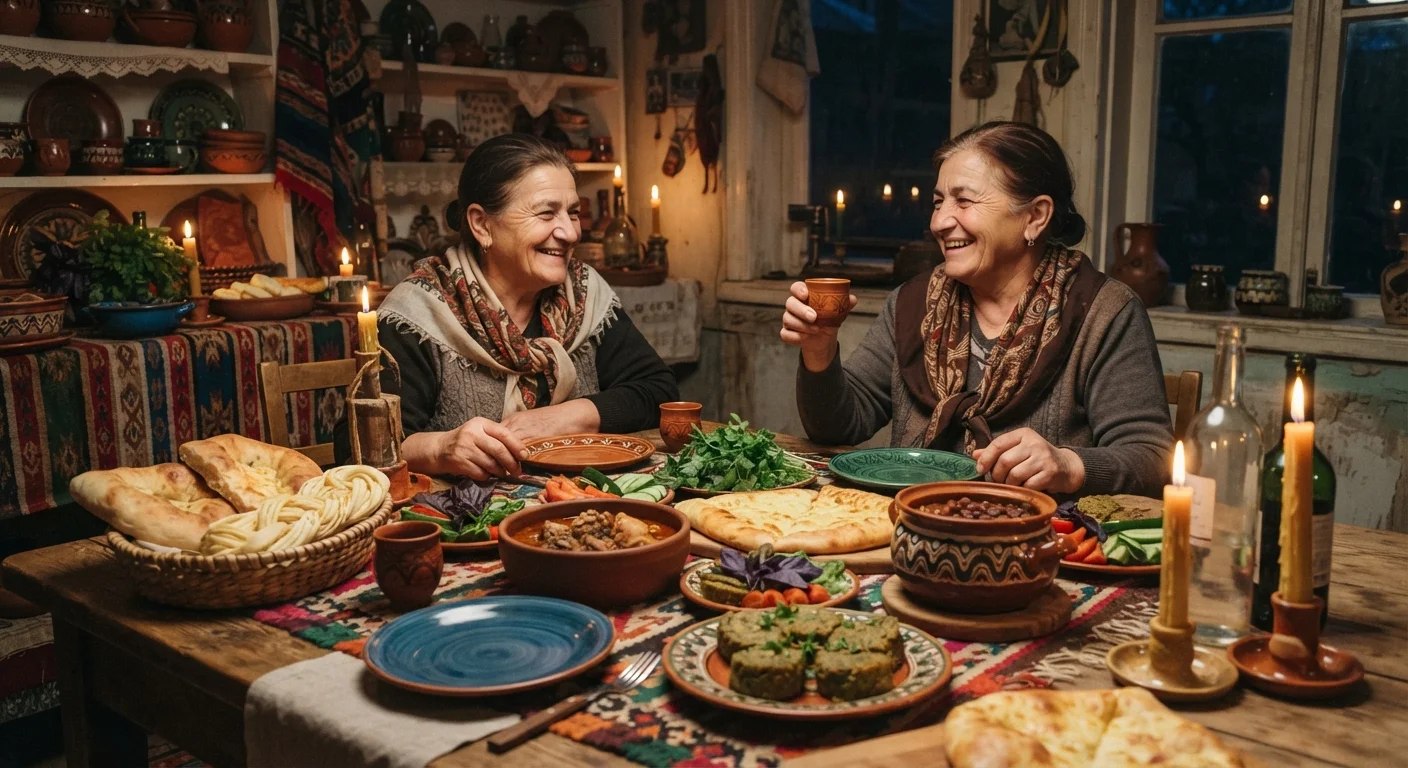
Photo credit: ExploreRoute.net | Travel Made Simple
In this article
Home dining experiences offer unmatched cultural intimacy — but they come with responsibilities. Here's how to approach them with respect.
Key Takeaways
- Home dining abroad is a privilege, not a transaction — treat it as a cultural exchange.
- Research local customs around gifts, punctuality, and dietary conversation before you arrive.
- Communicating dietary restrictions clearly and in advance prevents awkward, wasteful situations.
- Reciprocating hospitality — however modestly — deepens the human connection beyond a single meal.
- Genuine curiosity about food origins and preparation is universally welcome and appreciated.
- The meaning of a home meal lies as much in the ritual as in what's on the plate.
Why Home Dining Is the Deepest Form of Culinary Travel
Restaurant meals can be extraordinary, but they operate within a commercial framework — service, menus, payment, departure. A meal in someone's home dissolves those boundaries entirely. You are a guest in a private space, sharing food that carries family history, regional identity, and personal effort. That context changes everything.
As explored in what culinary travel actually means, food becomes most revelatory when it operates as a lens onto culture rather than a leisure activity. Home meals sit at the extreme end of that spectrum. The recipes on the table may be decades old, the ingredients sourced from a neighborhood market that morning, and the hospitality rooted in traditions the host may never have consciously articulated. You are not just eating — you are witnessing a cultural artifact in motion.
This intimacy creates responsibility. The practices below aren't formalities; they're what separates a meaningful exchange from an awkward imposition.
Research gift-giving customs specific to your destination before arriving empty-handed or with the wrong item.
Gift norms are deeply culturally encoded. Wine is welcome in France but potentially offensive in parts of the Middle East. Bringing an even number of flowers can carry funerary connotations in some Eastern European countries. Getting this wrong signals carelessness before you've even sat down.
Disclose dietary restrictions clearly and early — not at the table.
Home cooks invest significant time in planning and preparing meals. A last-minute disclosure forces a pivot that can be wasteful, stressful, and embarrassing for the host. Advance notice is a form of respect for their effort.
Ask thoughtful questions about the food's origins — ingredients, regional traditions, family history.
Most home cooks are proud of what they make and where it comes from. Genuine curiosity about a dish's history or technique signals that you value the meal beyond its taste. This is among the most universally appreciated gestures across cultures.
Follow the host's lead on seating, serving order, and pacing — never assume your own comfort conventions apply.
Who is served first, whether you serve yourself or wait, and when it's appropriate to start eating vary significantly by culture, religion, and family custom. Defaulting to patience and observation avoids inadvertently violating household norms.
Express gratitude proportionate to the effort — verbally during the meal, and again afterward in writing.
A home-cooked meal for a foreign guest often represents hours of preparation and no small amount of cultural vulnerability. Treating it like a restaurant experience — thanking the host briefly on the way out — undersells the exchange and can feel dismissive.
Reciprocate in whatever way is available to you — whether with a meal, a skill, or a story.
Home hospitality is an exchange of trust and effort. Where possible, offering something in return — cooking a dish from your own background, sharing a book, teaching a phrase — signals that you experienced the evening as a mutual relationship, not a cultural performance for your benefit.
Logistics That Determine Whether the Evening Works
Even the warmest invitation can founder on practical missteps. Communicating dietary needs, arriving at the right moment, and understanding what to bring are logistical questions with genuine cultural stakes.
Timing is particularly nuanced. Punctuality norms vary dramatically — showing up exactly on the hour in some Latin American or Middle Eastern contexts can actually disrupt the host's preparation rhythm, whereas arriving late in Germany or Japan signals disrespect. Research the norm for your destination, and when uncertain, ask your host or a local contact directly. That question itself signals cultural awareness.
If you're finding home dining opportunities through organized platforms or community networks, where authentic local food really lives offers useful context for vetting genuine versus performative experiences.
The Meaning You Carry Out — and Leave Behind
Home meals abroad are rarely forgotten by either party. For the host, a curious, respectful guest affirms that their food and culture hold value beyond their own community. For the traveler, the memory often outlasts entire itineraries. But that meaning is earned, not automatic.
When Home Dining Is Organized Through a Platform
Increasingly, travelers access home meals through community-based platforms that connect guests with local cooks. While these experiences are more structured than a personal invitation, the same etiquette principles apply — and in some respects matter more, since the host is managing hospitality as a livelihood. Research the platform's norms, tip where appropriate and culturally expected, and approach the host as a person, not a service provider. For additional context on vetting these experiences, see planning a food-focused trip.
Follow-through matters. A handwritten note, a message of gratitude, or a returned invitation — even a virtual one — reinforces that the evening was a genuine exchange, not culinary tourism. If your host spent hours preparing, the appropriate response is proportionate acknowledgment.
Travelers who fall into common assumptions — that enthusiasm alone is enough, or that photographing the spread is a form of flattery — often miss what how travelers miss genuine food culture describes as the thread of authentic connection. Ask before photographing food or the home. Listen more than you speak. Be curious about process, not just flavor.
The etiquette expected at a private dinner table is, in spirit, no different from the considered social norms explored in onboard etiquette rules seasoned cruisers live by — shared spaces require shared consideration. The difference is that in someone's home, the stakes are personal.
“The act of sharing food is about creating a relationship — an acknowledgment that we are all human, all have the same needs, and that we can use those shared needs to bridge cultural distances.”
— Anthony Bourdain, Author, chef, and travel documentary host

Author
Specialty Travel Editorial Team
Specialty Travel Editorial Team is the collective byline for our editorial team and contributor network. Articles published under this byline or an editorial pen name are researched, written, and reviewed according to our editorial standards for clarity, consistency, and independence before publication.
View all articles →