
What Culinary Travel Actually Means — And Why It Goes Beyond Eating Out
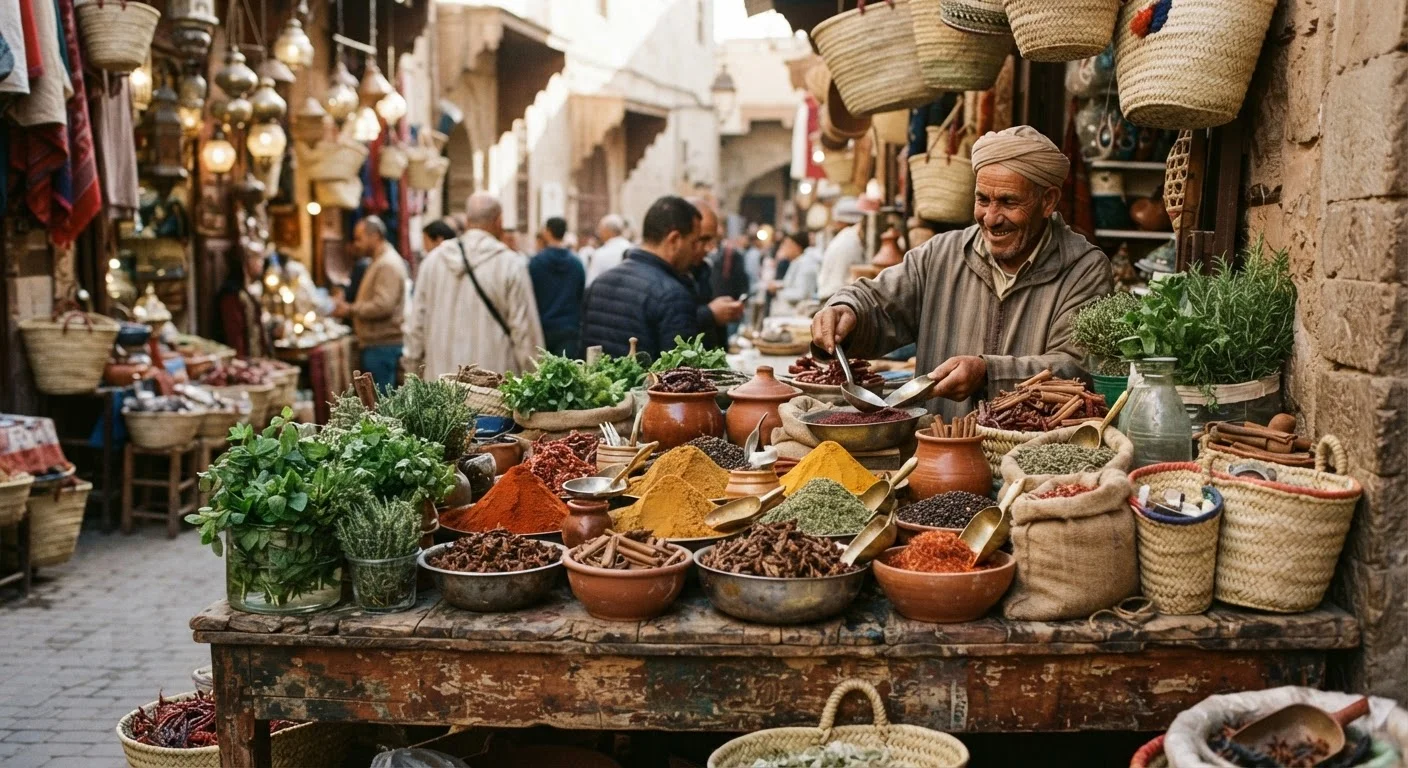
Photo credit: ExploreRoute.net | Travel Made Simple
In this article
Culinary travel is more than restaurant-hopping. Explore how food becomes a lens for understanding culture, history, and place.
Key Takeaways
- Culinary travel is about cultural immersion through food, not restaurant-hopping.
- Markets, home kitchens, and food production sites are as important as dining establishments.
- Food is inseparable from history, geography, religion, and social structure.
- Genuine culinary engagement requires curiosity and a willingness to eat outside your comfort zone.
- Responsible culinary travelers consider the economic and cultural impact of food tourism.
Food as a Cultural Document
Every dish carries a biography. The ingredients reveal a region's climate and agricultural history. The technique reflects centuries of adaptation and exchange. The context — who eats it, when, and with whom — speaks to social structure, religion, and family life. When culinary travelers sit down to eat, they're not just satisfying hunger; they're reading a document written over generations.
This is the core distinction between culinary travel and ordinary dining. A traveler who orders tagine in Marrakech and moves on has had an experience. A culinary traveler asks what the preserved lemon brings to the dish, how spice routes shaped Moroccan cooking, and why that particular clay pot has been used for centuries. The food becomes a question, not just an answer.
“Food is not just fuel. It is history on a plate — a record of every migration, trade, conflict, and moment of creativity that shaped the people who made it.”
— Madhur Jaffrey, Author and food writer, widely credited with introducing Indian cuisine to Western home cooks
Beyond the Restaurant: Where Culinary Travel Actually Happens
Restaurants — even excellent ones — show you a curated version of a food culture. The kitchen has made thousands of decisions before the dish reaches your table. To understand food at a deeper level, culinary travelers look elsewhere.
- Markets: Open-air and covered food markets reveal what people actually eat, what's in season, and how ingredients are sold and selected. The social energy of a market is irreplaceable.
- Producers and farms: Visiting an olive grove in Crete, a coffee cooperative in Colombia, or a rice paddy in Bali connects travelers to the agricultural foundations that define regional cooking.
- Home kitchens: Whether through a structured cooking class or an informal invitation, cooking alongside locals unlocks techniques and family traditions that never appear on menus.
- Religious and seasonal events: Festival foods, harvest meals, and ceremonial dishes carry layers of meaning no restaurant can fully replicate.
This kind of engagement also demands thoughtful preparation. The pre-trip food research checklist covers how to arrive ready — with context about regional specialties, meal timing norms, and basic food vocabulary.
Start With One Market, Not Ten Restaurants
If you're new to culinary travel, resist the urge to build an itinerary around reservations. Spend your first morning at a local food market instead. Watch what people buy, how they negotiate, and what's seasonal. That two-hour visit will reframe every meal you eat for the rest of the trip.
The Authenticity Question
Culinary travelers inevitably encounter the idea of 'authentic' food — and it's worth approaching that concept with care. A dish described as traditional may have only emerged in its current form within the last century. Ingredients considered essential today may have arrived via colonial trade routes. Recipes evolve, emigrate, and hybridize.
This doesn't make the food less interesting — it makes it more so. Understanding that Peruvian ceviche reflects centuries of Indigenous, Spanish, and Japanese influence tells you far more about Peru's history than any fixed notion of 'original' cuisine could. Why 'authentic food' is more complicated than travelers often assume explores this layered reality in depth.
88%
Travelers who say local food is important to their experience
According to the World Food Travel Association's Food Travel Monitor, the vast majority of leisure travelers consider local cuisine a significant part of their destination experience.
1 in 3
Travelers who classify as 'deliberate' culinary tourists
The World Food Travel Association distinguishes 'deliberate' food tourists — those who specifically plan travel around food — from 'opportunistic' food tourists who eat well but don't lead with food.
Traveling Responsibly Through Food Culture
Culinary tourism has grown substantially as a travel motivator — and with that growth comes responsibility. When food travelers flood a neighborhood, prices can rise beyond what local residents can afford. Traditional producers may shift toward tourist-facing products at the expense of their community's actual food supply. Well-intentioned curiosity can commodify the very culture it sought to experience.
The most meaningful culinary travelers are aware of these dynamics. They eat at locally owned establishments, buy directly from producers, engage with food traditions on their own terms rather than performing them for photographs, and recognize when they're participating in something genuine versus something staged for visitors. For a deeper look at these tensions, when culinary tourism harms the communities it celebrates is essential reading.
If you're new to food-led travel and want to build a full itinerary grounded in these principles, culinary travel for complete beginners walks through the process from destination selection to eating confidently in unfamiliar territory.
Food Customs Vary Significantly by Region
Meal timing, table etiquette, tipping norms, and what constitutes polite eating differ dramatically across cultures. Before visiting a new destination, invest time in understanding local food customs — not just what to eat, but how to eat it respectfully. This is part of culinary travel's wider commitment to genuine engagement rather than surface-level consumption.
Frequently Asked Questions

Author
Specialty Travel Editorial Team
Specialty Travel Editorial Team is the collective byline for our editorial team and contributor network. Articles published under this byline or an editorial pen name are researched, written, and reviewed according to our editorial standards for clarity, consistency, and independence before publication.
View all articles →