
Markets, Homes, and Street Corners: Where Authentic Local Food Really Lives
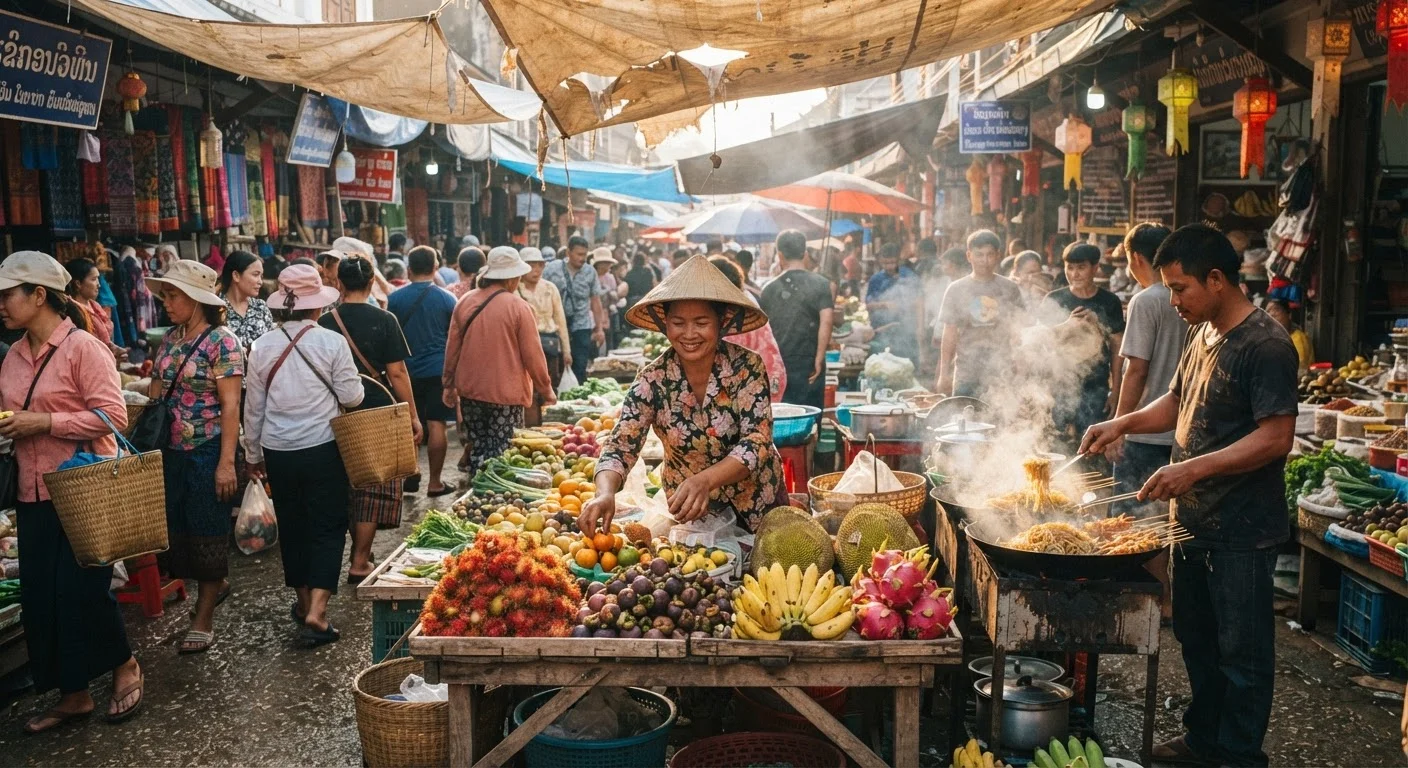
Photo credit: ExploreRoute.net | Travel Made Simple
In this article
Skip the tourist traps. Learn how to locate genuinely local food experiences — from morning markets to family-run kitchens.
Key Takeaways
- Morning markets frequented by locals reveal far more about a food culture than any restaurant guide.
- Street corners and neighborhood stalls serve food shaped by daily need, not tourist expectation.
- Home dining experiences offer the deepest cultural immersion — approach them with genuine respect.
- Asking the right people — shopkeepers, taxi drivers, school teachers — opens doors guidebooks never mention.
- Repeat visits and unhurried observation matter more than checking off a list of 'authentic' spots.
Why the Real Food Story Rarely Starts at a Restaurant
For food-curious travelers, the instinct to open a review app upon landing is understandable — but it often leads straight past the most revealing culinary experiences a place has to offer. Restaurants, even excellent ones, are edited presentations of a food culture. What feeds a city's residents every single morning is something else entirely.
Understanding this distinction is the foundation of genuine culinary travel. As explored in why 'authentic food' is more complicated than travelers often assume, the very concept of authenticity carries layers of history, migration, and adaptation. The goal isn't to find some pure, unchanged original — it's to observe food as a living, daily practice rather than a performance staged for visitors.
The spaces where that practice happens most honestly are markets, home kitchens, and street corners. Each reveals a different register of how a community eats, and each rewards travelers who slow down enough to pay attention.
Markets: Reading the Room Before You Eat Anything
A morning market is arguably the single most information-dense food environment a traveler can enter. Within thirty minutes of observation, you can learn what's in season, which ingredients form a cuisine's backbone, how people greet their vendors, and what a household actually spends on a week's food.
Arrive early — ideally before 8 a.m. — when the market is operating for residents, not sightseers. Watch what locals load into their bags rather than what's arranged prettily for photographing. Notice which stalls have the longest queues of working-age adults: those are almost always the most trusted. Daily markets and food festivals offer very different windows into a culture — the former shows you how people actually live.
For travelers exploring coastal regions, port-town markets are particularly layered. Shore life in port towns often concentrates some of the most characterful local food scenes, shaped by generations of fishing tradition and trade.
2.5 billion
People who eat street food daily worldwide
According to the Food and Agriculture Organization of the United Nations, an estimated 2.5 billion people consume street food every day globally.
70%+
Share of food spending in many economies at informal vendors
In several lower-middle-income countries, the majority of household food expenditure occurs through informal markets and street vendors rather than formal retail or restaurants.
Street Corners and the Logic of Casual Eating
Street food occupies a different cultural role in almost every country — and rarely the role travelers assume. In many cities across Southeast Asia, West Africa, and Latin America, the sidewalk stall or corner cart isn't a budget option or a novelty; it's the primary way working people eat lunch, share afternoon snacks, or grab breakfast before a shift. The food it serves has been refined by decades of competitive, informal excellence.
Locating the right corners requires asking the right people. Taxi and rideshare drivers, school administrators, hospital workers, and early-rising shopkeepers tend to know which stalls have operated in the same spot for twenty years and which appeared last month to catch tourist foot traffic. The question "Where do you eat lunch?" — asked with genuine curiosity rather than as a checklist item — unlocks recommendations no algorithm surfaces.
Be attentive to patterns: a corner busy only at 6 a.m. serves a different community than one that peaks at midnight. Both are worth understanding on their own terms. Travelers who develop the habit of recognizing the traps that pull them away from real culinary stories learn to resist the pull of what's already been discovered and photographed.
Home Kitchens and the Etiquette of Being Invited In
Nothing compresses cultural distance faster than sharing a meal prepared in someone's home. Home dining experiences — whether arranged through community-based tourism networks, cultural exchange programs, or the genuine hospitality of a new acquaintance — offer a level of culinary intimacy no public venue can replicate. You're not seeing a menu; you're seeing a family's inherited knowledge, seasonal adjustments, and daily rhythms all expressed through food.
That intimacy comes with real responsibilities. Eating in someone's home abroad carries its own etiquette and meaning — from how you arrive and what you bring to how you respond to dishes you don't recognize. Approaching these experiences with cultural humility rather than the appetite of a collector makes all the difference.
It's also worth noting that preserved and fermented foods, often prepared months in advance and served as a matter of course at home tables, tell some of the deepest stories about a region's resourcefulness. Fermented foods map a region's history in ways that fresh dishes rarely can.
When You're Invited to Eat at Someone's Home
Bring something small and locally purchased — fruit, bread, or a sweet from a market you visited that morning. Avoid arriving with wine or alcohol unless you are certain it's welcome in that household. Ask before photographing food or family members, and follow the host's lead on seating, serving order, and when to begin eating.
Putting It Into Practice: Building a Food Itinerary Around Genuine Immersion
The most effective food travel itinerary isn't organized around meals — it's organized around observation windows. Dedicate one morning per destination purely to market wandering without an agenda to buy or eat. Spend an afternoon in a neighborhood that isn't in your guidebook, following the density of foot traffic rather than star ratings. If you're traveling through smaller towns, reading a small town through its market square and public spaces reveals the food culture embedded in the town's physical layout.
Leave room for repetition. Returning to the same stall or market vendor twice signals respect and curiosity — the conversations that follow are where the real knowledge transfer happens. The goal is not comprehensiveness but depth: a few genuine encounters with how people feed themselves every day will stay with you far longer than a curated tasting menu.
Food Safety Considerations When Eating Informally
Street food and market eating carry varying levels of food safety risk depending on destination, season, and individual health factors. As a general principle, food cooked fresh to order in high-turnover stalls tends to carry lower risk than pre-prepared dishes left at ambient temperature. Travelers with immune vulnerabilities, pregnancy, or specific health conditions should consult a qualified healthcare provider before travel for personalized guidance. This article is general travel information and is not medical advice.

Author
Specialty Travel Editorial Team
Specialty Travel Editorial Team is the collective byline for our editorial team and contributor network. Articles published under this byline or an editorial pen name are researched, written, and reviewed according to our editorial standards for clarity, consistency, and independence before publication.
View all articles →