
Losing the Thread: How Travelers Miss Genuine Food Culture Without Realising It
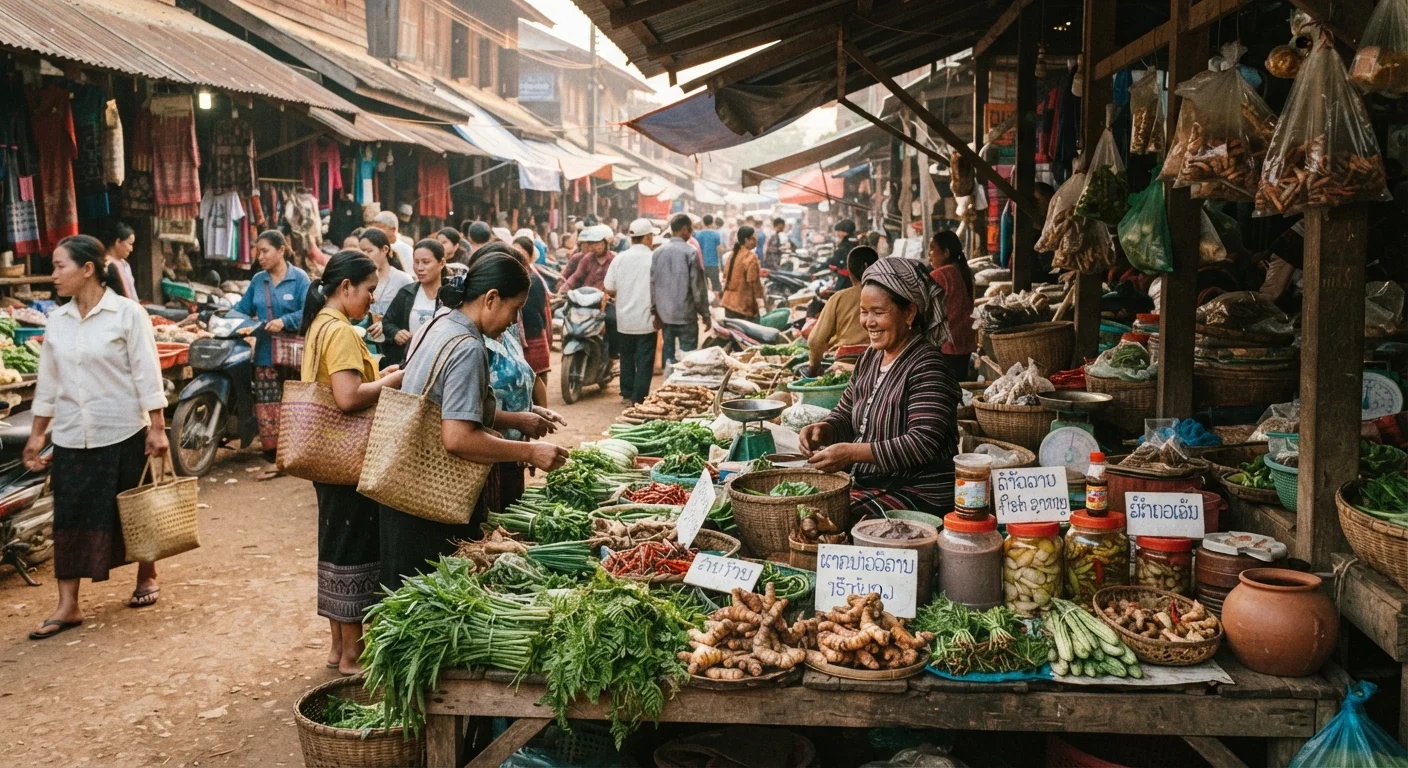
Photo credit: ExploreRoute.net | Travel Made Simple
In this article
Well-intentioned food travelers still fall into common traps. Explore the habits and assumptions that lead away from the real culinary story.
Key Takeaways
- Relying on social media recommendations frequently steers travelers toward tourist-facing versions of local cuisine.
- Eating only at dinner obscures the rituals — breakfast and lunch culture — that define how locals actually eat.
- Treating 'authentic' as a fixed, singular quality causes travelers to miss the living, evolving nature of food cultures.
- Discomfort with unfamiliar ingredients is one of the most reliable signs you're close to something genuinely local.
- Engaging with markets, home cooks, and non-English menus consistently opens deeper culinary experiences than any guidebook.
The Gap Between Food Travel and Food Understanding
Most travelers who consider themselves food-curious are sincere about it. They research before they go, seek out markets, and step beyond the obvious tourist corridor. Yet many still return home having grazed the surface of a destination's food culture without ever quite touching its core. The problem is rarely lack of effort — it's a set of habits and assumptions so normalized they become invisible.
Understanding where these blind spots come from is more useful than simple self-critique. Food culture is not a fixed exhibit you visit; it's a living system shaped by class, season, migration, and daily ritual. Travelers who approach it with genuine curiosity — and a willingness to be disoriented — consistently get closer to the real thing. Those who replicate the same comfortable behaviors across every destination rarely do. The mistakes below are among the most common, and the most underacknowledged.
For a deeper look at why the very concept of 'authenticity' complicates this further, see why authentic food is more complicated than travelers assume.
Common Mistakes That Derail Culinary Immersion
These patterns appear across all types of food-motivated travelers — from first-timers to experienced explorers. Recognizing them is the first step toward a more honest encounter with local food culture.
Using social media as the primary discovery tool for local food.
Why it happens: Platforms reward visually striking, shareable content — which disproportionately amplifies tourist-facing restaurants that understand how to court online attention.
Eating almost exclusively at dinner and skipping breakfast and lunch culture entirely.
Why it happens: Western travel rhythms default to sightseeing during the day and treating dinner as the main culinary event, which mirrors habits at home rather than the destination's actual food patterns.
Treating 'authentic' as a binary quality a dish either has or doesn't have.
Why it happens: Travel marketing consistently frames authenticity as something pure, unchanged, and discoverable — obscuring the reality that food cultures evolve constantly through trade, migration, and adaptation.
Defaulting to familiar ingredients or proteins when faced with unfamiliar menus.
Why it happens: Mild anxiety about unknown dishes — combined with the low-stakes logic of 'I can try that at home' — causes travelers to retreat to recognizable options at exactly the wrong moment.
Visiting a destination's food only at the festival or special-occasion level.
Why it happens: Food festivals are heavily marketed to visitors and offer concentrated, spectacular experiences — making them an obvious starting point that can crowd out everyday eating.
Ignoring the regional variation within a country's cuisine.
Why it happens: National cuisines are typically represented abroad by a narrow slice of their regional range, and travelers absorb that limited picture as the whole story before they even arrive.
Beyond individual habits, it's worth considering the broader effect food tourism has on the communities involved. Well-meaning travelers can inadvertently distort local food economies. When culinary tourism harms the communities it celebrates examines these pressures honestly.
Where Genuine Food Culture Actually Lives
The venues most travelers skip — early-morning wet markets, no-sign noodle shops, canteen-style lunch spots serving office workers — are precisely where a destination's food identity is least curated and most legible. These spaces aren't performing for an outside audience, which makes them invaluable.
~70%
Travelers who say food influences destination choice
World Food Travel Association research has consistently found that a large majority of leisure travelers consider food and beverage a significant factor in selecting a destination.
3–5x
Price gap between tourist and local eating
In many popular destinations, restaurants near major tourist sites charge several times the price of equivalent dishes available to locals a short walk away, while often serving adapted versions of the cuisine.
Discomfort is often a useful compass. An unfamiliar fermented smell, a menu with no pictures, a dish you can't immediately identify — these are signals worth following rather than avoiding. Markets, homes, and street corners maps the everyday spaces where local food culture is most honestly expressed.
Eating in someone's home, when the opportunity arises ethically and with genuine invitation, offers a level of cultural intimacy no restaurant replicates. Eating in someone's home abroad covers how to approach that kind of experience with appropriate respect and awareness.
Street Food Safety Is Part of the Picture
Seeking out local, non-tourist-facing food often means eating from street stalls, market vendors, and informal settings. This is frequently where the most honest food culture lives — but it does require some practical awareness. Street food safety knowledge outlines the indicators that experienced food travelers use to assess quality and hygiene without avoiding street food altogether.
For travelers navigating the difference between curated spectacle and everyday truth, food festivals versus everyday eating offers a useful framework for setting realistic expectations.

Author
Specialty Travel Editorial Team
Specialty Travel Editorial Team is the collective byline for our editorial team and contributor network. Articles published under this byline or an editorial pen name are researched, written, and reviewed according to our editorial standards for clarity, consistency, and independence before publication.
View all articles →