
The Pre-Trip Food Research Checklist Every Culinary Traveler Should Run Through
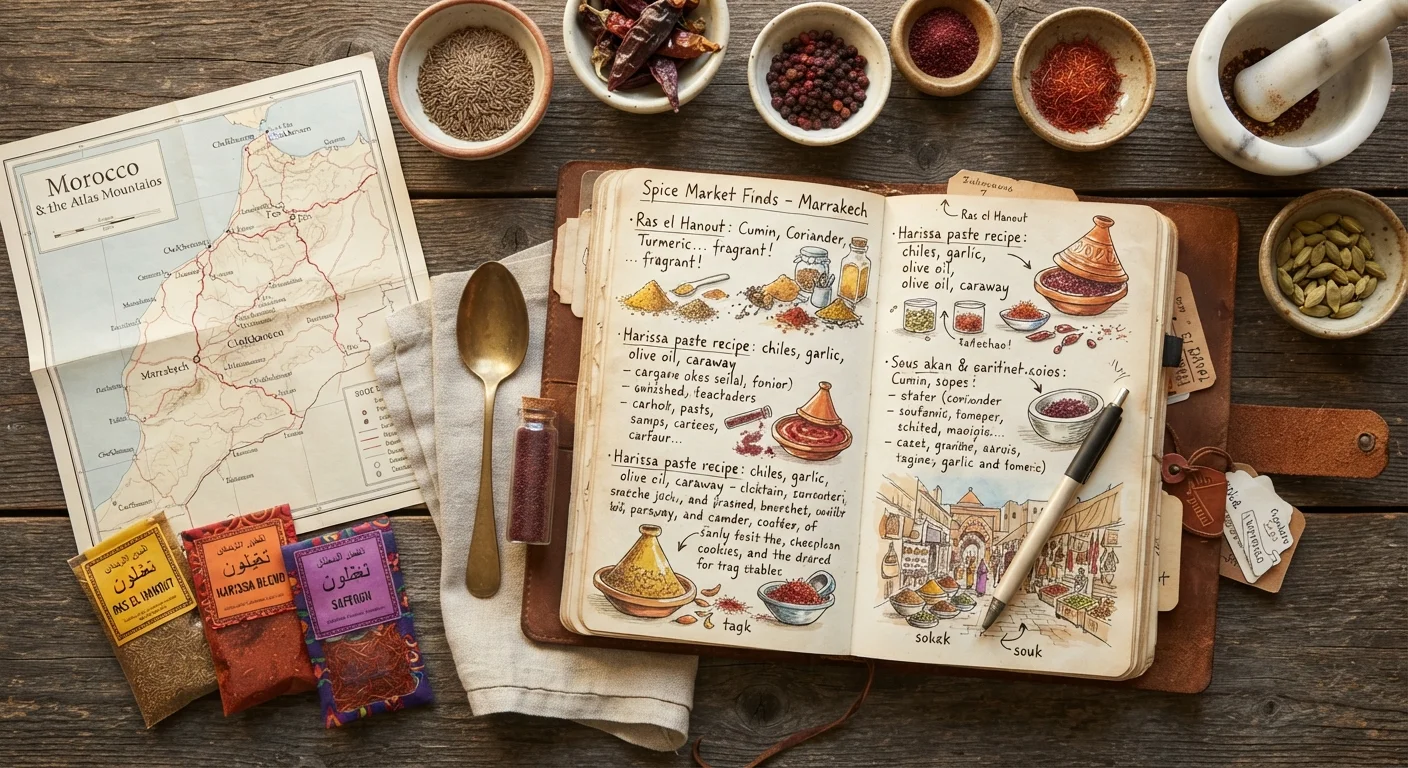
Photo credit: ExploreRoute.net | Travel Made Simple
In this article
From dietary vocabulary to regional specialties and meal timing, use this checklist to arrive at your destination ready to eat well.
Key Takeaways
- Knowing a destination's meal timing customs prevents hunger and missed cultural moments.
- Learning dietary vocabulary in the local language reduces misunderstandings at restaurants and markets.
- Regional dish research before departure helps you prioritize rare, hyper-local foods over tourist-facing menus.
- Understanding food safety indicators specific to a destination protects your health without limiting adventure.
- Identifying the right markets, neighborhoods, and seasons shapes where and when you eat most meaningfully.
Why Pre-Trip Food Research Matters More Than You Think
Walking into a destination without culinary context is like visiting a museum blindfolded. You might stumble onto something extraordinary, but you'll miss most of the story. Serious culinary travelers — the kind who come home with unforgettable meals rather than forgettable ones — invest real preparation time before boarding. This checklist is built for them.
This isn't about building a rigid itinerary of restaurant reservations. It's about arriving with enough cultural and practical knowledge to eat the way locals eat: at the right hour, in the right neighborhood, ordering from an informed instinct rather than defaulting to the menu's photo section. For a broader planning foundation, see the full walkthrough on building a food-focused itinerary.
Run through the checklist below before every trip. It scales whether you're heading to a single region of Japan or a multi-country route through West Africa.
Regional Dish & Ingredient Research
Dietary Vocabulary & Communication
Meal Timing & Social Customs
Markets, Neighborhoods & Where to Eat
Food Safety & Practical Health Prep
Final Verification Before Departure
Tools and Resources to Run This Checklist Effectively
This checklist doesn't require expensive subscriptions or insider contacts. Most of the research can be completed with free resources used deliberately. The key is knowing which source type to trust for which question.
Culinary-focused travel writing and regional food guides
Provide narrative context for regional dishes, ingredient origins, and cultural significance that generic travel sites omit.
Official tourism board resources
Surface seasonal food events, protected regional products, and destination-specific culinary heritage listings.
Offline translation app with camera/OCR function
Read menus, market signage, and ingredient labels in the local script without an internet connection.
Expat and local food forums or community groups
Provide current, ground-level intelligence on market hours, neighborhood food scenes, and hidden gems that published guides miss.
Dietary restriction translation card services
Generate verified, medically reviewed written cards explaining allergies or restrictions in the local language.
For trips involving significant dietary restrictions or food allergy management across a language barrier, consider supplementing your research with practical street food safety knowledge before you go. And if this is your first food-led journey, the beginner's guide to culinary travel covers foundational mindset alongside logistics.
Translation Apps Are a Starting Point, Not a Guarantee
Automated translation — including AI-powered apps — can mistranslate culinary terms, especially regional dialect words or dishes with names unrelated to their ingredients. If you have a serious allergy or medical dietary restriction, always verify your written restriction card with a native speaker or professional translation service before relying on it at a restaurant. Do not assume a translated card eliminates all risk.
Food Safety Research Doesn't Replace Professional Health Advice
General destination food safety information is useful context, but it is not a substitute for advice from a qualified healthcare provider. Consult a travel medicine specialist well before your departure date — especially for destinations with specific water, produce, or preparation risks. Requirements and conditions can change; always verify current advisories through official government and health sources.
Finally, if your destination involves preserved or fermented foods — a hallmark of many of the world's most distinctive regional cuisines — understanding fermentation's cultural history will sharpen your appreciation considerably. This checklist slots neatly into the larger framework of end-to-end trip research — treat food prep as one layer of a thorough planning process, not a standalone task.

Author
Specialty Travel Editorial Team
Specialty Travel Editorial Team is the collective byline for our editorial team and contributor network. Articles published under this byline or an editorial pen name are researched, written, and reviewed according to our editorial standards for clarity, consistency, and independence before publication.
View all articles →