
Culinary Travel for Complete Beginners: Building Your First Food-Led Journey
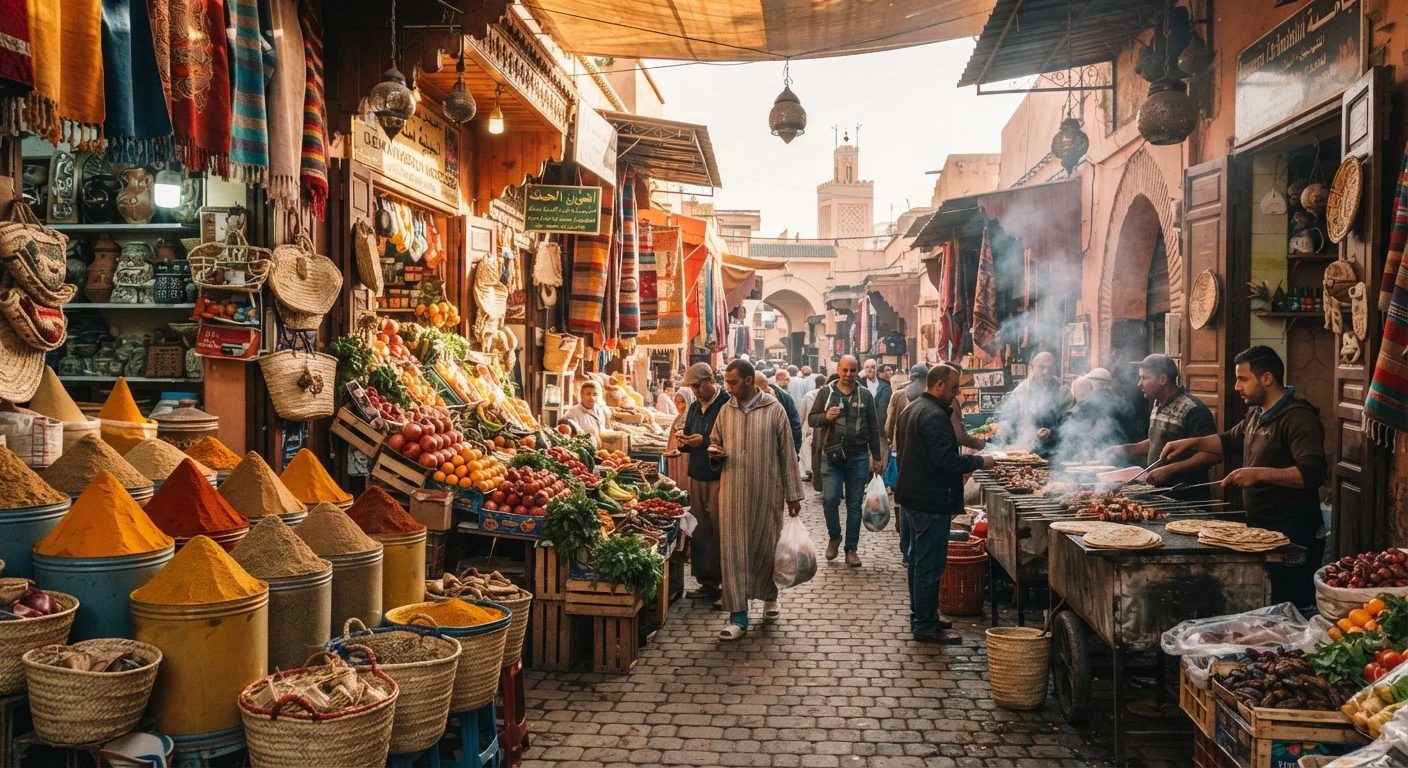
Photo credit: ExploreRoute.net | Travel Made Simple
In this article
Never traveled for food before? This guide covers everything from choosing a destination to eating confidently in unfamiliar culinary territory.
Key Takeaways
- Culinary travel is about cultural immersion through food, not just eating at celebrated restaurants.
- Your destination choice should be guided by both culinary richness and your personal comfort level.
- A food-first itinerary leaves deliberate time for markets, local eateries, and spontaneous meals.
- Learning a few local food phrases and dining customs reduces anxiety and builds rapport.
- Hands-on experiences like cooking classes deepen your connection to a destination's food culture.
- Pre-trip research is the single most effective way to eat well and avoid avoidable missteps.
What Culinary Travel Actually Means
Culinary travel isn't a niche pursuit reserved for food critics or professional chefs. At its core, it's a deliberate approach to travel in which food serves as the primary lens for understanding a place — its history, geography, trade networks, and social fabric. A bowl of pho in Hanoi or a slow-cooked tagine in Marrakech carries more cultural information than most museums.
For beginners, this distinction matters: culinary travel is not the same as dining tourism, which tends to focus on prestigious or celebrated restaurants. It is about immersion — eating where locals eat, visiting the markets that supply neighborhood kitchens, and understanding why a region's food tastes the way it does. The result is a richer, more textured experience of any destination.
Culinary immersion
Engaging deeply with a destination's food culture by eating, shopping, and cooking as locals do, rather than observing from a tourist-facing distance.
Regional cuisine
The distinct food traditions of a specific geographic area, shaped by local ingredients, climate, history, and cultural influences — often different from a country's nationally recognized dishes.
Food-first itinerary
A travel schedule structured around meals, markets, and culinary experiences as the primary anchors, with other activities planned around them.
Market culture
The network of public food markets — wet markets, spice bazaars, morning produce markets — that supply local households and serve as windows into everyday food life.
Dining customs
The social norms and etiquette around eating in a given culture, including meal timing, table manners, tipping practices, and how dishes are typically shared or ordered.
Culinary tourism
Travel motivated at least in part by food experiences, ranging from restaurant dining and market visits to cooking classes and farm tours.
If you're used to adventure or nature-based trips, culinary travel may feel like a significant shift in pace. Unlike remote wilderness travel, which demands physical preparation and technical skills, food-led travel asks mainly for curiosity and a willingness to sit with strangers at a shared table.
Choosing Your First Food-Led Destination
The right first destination balances culinary richness with accessibility. For a beginner, that means choosing somewhere with a strong, documented food culture and enough infrastructure that navigating meals won't feel overwhelming. Southeast Asia — Thailand, Vietnam, and Malaysia in particular — is frequently cited by food travelers as an ideal starting region: street food culture is central, ingredients are fresh and visible, and the price point allows for adventurous eating without anxiety about cost.
Mediterranean destinations offer a different kind of entry: Italy, Greece, and the Iberian Peninsula all have deeply regional food traditions that reward slow travel and market visits. Japan is another strong choice — highly accessible despite the language gap, with extraordinary depth across every price point from convenience-store onigiri to multi-course kaiseki.
Start with a specific food curiosity
Rather than choosing a destination and then discovering its food, try working in reverse: identify a cuisine, ingredient, or culinary tradition you're genuinely curious about, then find the place where it originates. This approach focuses your research and produces a more intentional trip from the start.
What matters most is matching the destination to your curiosity. If you're drawn to fermented flavors, look toward Korea or Scandinavia. If spice is your interest, consider Mexico's regional diversity or South India's distinct culinary traditions. Use deep-dive destination research methods to evaluate a place's food culture before committing to a trip.
Building a Food-First Itinerary
A conventional itinerary front-loads landmarks and fits meals around them. A food-first itinerary works the opposite way: anchor each day around a market visit, a meal at a specific neighborhood spot, or a culinary experience, then build other activities around those fixed points.
Start by identifying the key food moments for your destination — the morning market that locals use, the fishing-port lunch scene, the evening street-food district. The itinerary planning walkthrough is useful here for structuring your time realistically. Leave unscheduled hours for spontaneous eating, which is often where the best discoveries happen.
Plan fewer days with more depth rather than racing through multiple cities. A week spent in one food-rich region will yield far more culinary understanding than a two-week sweep of four countries. For a thorough pre-departure checklist — covering regional specialties, meal timing customs, and food vocabulary — see The Pre-Trip Food Research Checklist.
Eating Confidently in Unfamiliar Territory
The most common anxiety first-time culinary travelers report is the fear of ordering incorrectly, eating something they won't enjoy, or inadvertently causing offense. All of these fears diminish rapidly once you're in the field, but preparation helps.
Learn the basic meal structure of your destination before you arrive: when meals are eaten, whether sharing dishes is customary, how to signal you're finished, and whether tipping is expected or even appropriate. These small pieces of knowledge prevent most awkward moments.
Don't over-schedule your eating
Booking every meal in advance removes the spontaneity that makes culinary travel rewarding. Reserve time for unplanned discoveries — the lunch spot you find by following a crowd, or the market stall that stops you mid-stride. Leave at least one meal per day completely open on your itinerary.
For detailed practical guidance on navigating street food — which presents its own set of decisions — our street food safety guide covers the observable indicators that help you eat well and stay well. For more structured culinary planning across the full trip arc, Planning a Food-Focused Trip offers a practical walkthrough from research to reservations.
Going Deeper: Hands-On Culinary Experiences
The most transformative culinary travel experiences tend to be participatory rather than passive. A market tour that ends in someone's home kitchen, a lesson in hand-rolling pasta with a home cook, or a morning spent learning to identify spices by smell — these experiences encode place in memory differently than any restaurant meal.
Cooking classes abroad vary enormously in quality and authenticity. Some are genuinely educational, led by local cooks in working home kitchens; others are designed primarily for group entertainment. Understanding how to evaluate them before booking is worth your time. Our guide to choosing cooking classes abroad explains what separates a genuine learning experience from a tourist showcase.
Beyond classes, consider food-focused day trips to agricultural areas — olive groves, vineyards, tea plantations, or fishing communities — where the raw ingredients of a cuisine are visible in their natural context. These visits reframe every meal you eat afterward.
This article is for general informational purposes. Travel conditions, safety, and entry requirements can change — always verify current details with official government and provider sources before traveling.
Frequently Asked Questions

Author
Specialty Travel Editorial Team
Specialty Travel Editorial Team is the collective byline for our editorial team and contributor network. Articles published under this byline or an editorial pen name are researched, written, and reviewed according to our editorial standards for clarity, consistency, and independence before publication.
View all articles →