
The Complete Guide to Road Tripping Through National Parks and Reserves
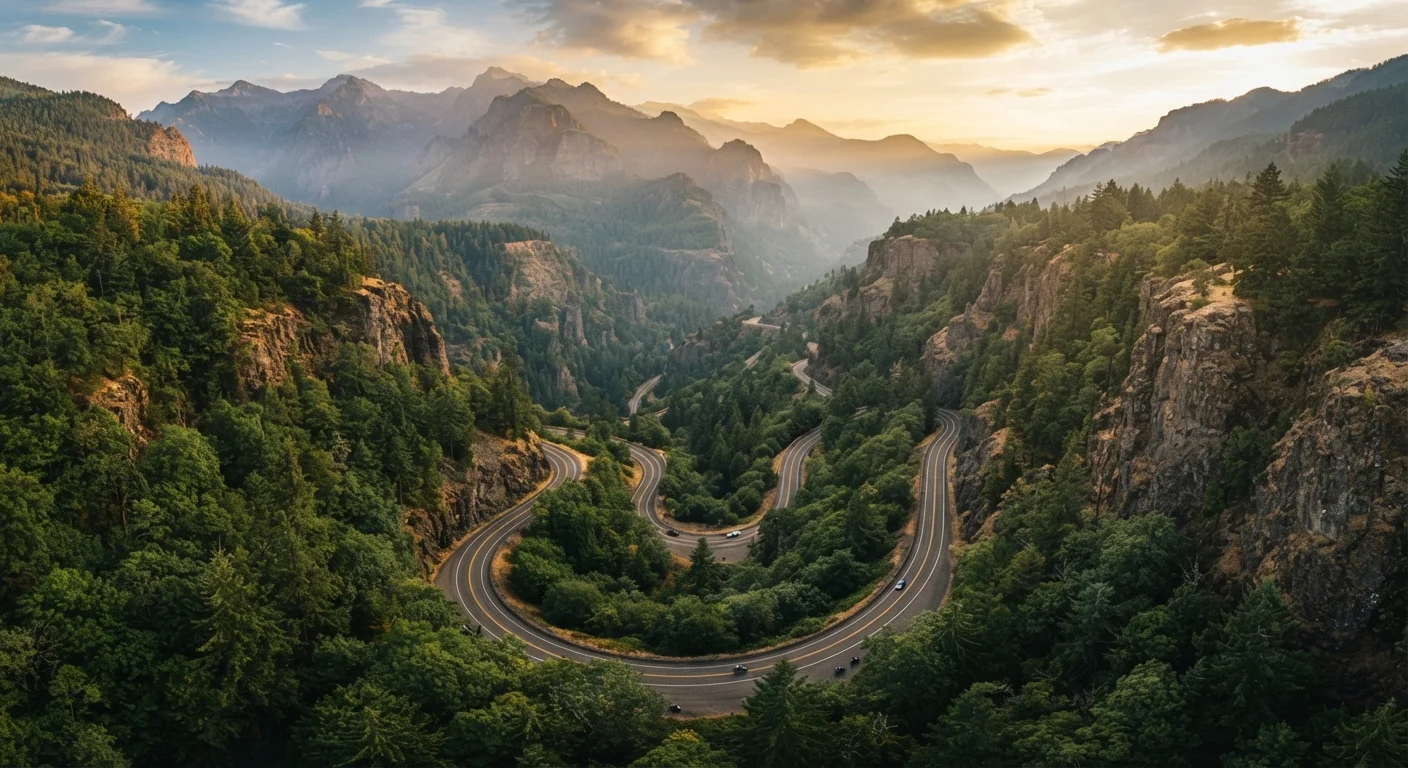
Photo credit: ExploreRoute.net | Travel Made Simple
In this article
Entry rules, permit systems, seasonal access, camping options, and safe wildlife protocols — everything to know before driving into protected land.
Key Takeaways
- National parks, national forests, and state reserves each operate under distinct entry rules and permit systems.
- Timed-entry permits at high-demand parks often sell out weeks in advance — book early.
- Seasonal road closures are common; always verify conditions before departing.
- Designated campgrounds require reservations; dispersed camping rules vary by land type.
- Safe wildlife distance minimums are federally enforced, not optional suggestions.
- Leave No Trace principles protect ecosystems and keep access open for future visitors.
Understanding the Landscape: Parks, Forests, and Reserves
Not all protected land is the same, and knowing the difference before you roll in saves real headaches on the road. The U.S. system spans several distinct designations — each with its own managing agency, access rules, and character.
National Parks are managed by the National Park Service (NPS) and generally prioritize preservation over extraction. Road access within them is often paved but limited in scope, with strict rules around camping, wildlife interaction, and off-trail travel.
National Forests fall under the U.S. Forest Service and typically allow a broader range of uses, including dispersed camping and unpaved road access. As detailed in our guide to driving through national forests, these routes are often rugged, remote, and operate under different conditions than parkways.
National Monuments, Wildlife Refuges, and State Reserves add further complexity. Rules at these sites vary widely — some are nearly indistinguishable from national parks in their visitor management; others are minimally staffed with few restrictions. Always research the specific governing agency for the land you're visiting.
63
Designated National Parks in the U.S.
According to the National Park Service, the U.S. system comprises 63 national parks alongside hundreds of additional protected monuments, recreation areas, and historic sites.
193M+
Acres of National Forest Land
The U.S. Forest Service manages over 193 million acres across 44 states, Puerto Rico, and the Virgin Islands, encompassing a vast range of terrain and road types.
3–6 months
Advance booking window for top campgrounds
Recreation.gov data consistently shows that high-demand campgrounds at parks like Yosemite and Glacier fill within hours of their six-month booking window opening.
Entry Rules, Passes, and Permit Systems
Entry fees and pass systems differ significantly across protected lands. The America the Beautiful Interagency Annual Pass covers entrance fees at most NPS sites and many other federal lands for 12 months. It's a practical option for anyone planning more than two or three national park visits per year — check the NPS website for current pricing and eligibility.
Many high-visitation parks — including Glacier, Arches, and Acadia — now operate timed-entry permit systems during peak season. These require visitors to reserve a specific entry window, often weeks or months in advance. Showing up without one during a required window means being turned away at the gate.
Permit Requirements Change Annually
Timed-entry and vehicle reservation systems at national parks are updated each season — a park that required no permit last year may require one this year, and vice versa. Never rely on prior-year experience or third-party summaries as your final source. Check the official NPS page for each park you plan to visit within a few weeks of your departure date.
Some parks issue vehicle reservation permits rather than — or in addition to — entry fees. These are separate from campsite reservations and must be obtained independently. Always check the specific park's official NPS page for the current season's requirements.
For national forests, many areas charge no entry fee, but certain recreation sites, trailheads, or developed campgrounds require day-use passes purchased on-site or via platforms managed by the Forest Service. Wilderness permits are required for overnight stays in many designated wilderness areas within forests.
Seasonal Access and Road Conditions
Seasonal closures are among the most common surprises for first-time national park drivers. High-elevation roads — like Trail Ridge Road in Rocky Mountain National Park — typically open between late May and mid-October, depending on snowpack. Even within those windows, unexpected weather can close roads for days.
Road condition resources to bookmark before any trip:
- NPS park-specific alerts pages — updated in real time by rangers
- 511 state traveler information lines — useful for road conditions just outside park boundaries
- Recreation.gov — hosts permit info and often notes seasonal access windows
In desert parks like Death Valley and Joshua Tree, summer heat creates different hazards — not closures, but genuine safety risks for vehicles and travelers. Many experienced desert drivers aim for early morning arrivals and avoid peak midday exposure.
Check Road Status the Morning You Depart
Even a permit and a reservation won't help if the road into your park is closed due to rockslide, flooding, or sudden snowfall. Build a habit of checking the park's official alerts page on the morning of travel — not the night before. Conditions in mountain and canyon environments can shift overnight.
The Blue Ridge Parkway offers a useful lesson in seasonal variability: portions close in winter, fuel stops are rare along the route, and fog can reduce visibility significantly — conditions that catch many drivers off guard for the first time.
Camping Options Inside Protected Land
Camping within protected land broadly falls into three categories: developed campgrounds, backcountry sites, and dispersed camping (available only in certain land types).
Developed campgrounds inside national parks offer amenities ranging from basic tent pads to full hookup RV sites. The vast majority require advance reservations through Recreation.gov, often releasing six months ahead and filling within minutes for popular parks like Yosemite and Zion.
Backcountry camping requires a separate wilderness permit and adherence to Leave No Trace principles. Sites are typically established by the park and require you to camp within designated zones. Permits are issued on a quota system to protect fragile terrain.
Dispersed camping — camping outside of designated sites, typically on national forest land — is generally free and requires no reservation, but it comes with specific rules: minimum distances from water sources, roads, and trails; pack-in/pack-out waste requirements; and restrictions on fire use. Rules vary by forest and ranger district, so consult the relevant district office before assuming dispersed camping is allowed.
For developed campgrounds that consistently fill on their opening booking date, set a calendar alert and log into Recreation.gov at exactly midnight when the six-month window opens — sites at iconic parks can disappear within minutes.
Anecdotal experience from seasoned park campers confirms that the earliest possible booking attempt dramatically improves success rates at the most competitive sites.
When dispersed camping in national forests, call the local ranger district office directly before your trip — not just the main forest line. District rangers know exactly which roads are passable and which areas are currently restricted.
Forest conditions change rapidly after weather events, and online information often lags behind what rangers know from daily patrols.
Wildlife Safety and Leave No Trace Protocols
Wildlife encounters are one of the great rewards of driving through protected land — and one of the leading sources of serious incidents when handled poorly. Federal regulations in national parks establish minimum approach distances: 100 yards from bears and wolves, 25 yards from other large wildlife such as bison, elk, and moose. These are not suggestions — violations carry real fines.
From your vehicle, keep windows up when wildlife is nearby and never feed animals under any circumstances. Habituated animals — those that associate humans with food — are often euthanized. What feels like a kind gesture causes irreversible harm.
On the broader ethics of travel in sensitive landscapes, our guide to responsible travel in fragile natural ecosystems provides a thorough framework covering behavior, impact reduction, and environmental awareness.
“Parks are not only places we go to visit — they're places we go to remember what we're trying to protect. How visitors behave inside them shapes whether future generations inherit the same experience.”
— Leave No Trace Center for Outdoor Ethics, Nonprofit organization dedicated to responsible outdoor recreation education
Leave No Trace (LNT) principles are the operational standard for all protected land visits:
- Plan ahead and prepare
- Travel and camp on durable surfaces
- Dispose of waste properly
- Leave what you find
- Minimize campfire impact
- Respect wildlife
- Be considerate of other visitors
LNT isn't only about protecting the land — parks that see significant visitor impact risk management changes that restrict access for everyone. Practicing these principles preserves the freedom to return.
Planning and Logistics Before You Drive In
A national park road trip rewards preparation disproportionately. The parks that feel most crowded or frustrating to visit are often the ones where travelers arrived underprepared — no permit, no campsite, no backup plan.
Start with a thorough research process covering entry requirements, permit timelines, and road conditions for each park or reserve on your route. Build in buffer days for weather and road closures — these are not edge cases in most mountain and desert environments, they're routine.
For travelers interested in extending their journey beyond the park boundary, hidden scenic drives across the United States offer a compelling complement — connecting parks with the kind of backroad character that rarely appears on a standard itinerary.
If you're heading into more remote terrain where ranger stations are sparse or absent, the pre-trip checklist for unmarked natural areas is worth working through in full before departure.
Finally, check your vehicle's fitness: tire condition, coolant levels, spare tire, fuel range relative to the distance between stations, and any towing or weight restrictions for park roads. Some roads in national parks prohibit vehicles over a certain length — verify these limits for your specific route before assuming access.
Vehicle Length Restrictions Vary by Route
Several scenic roads within national parks — including portions of the Going-to-the-Sun Road in Glacier — impose hard limits on vehicle length and width during summer months. RV drivers and those towing trailers should verify these restrictions against their rig's measurements well before arrival. The NPS website for each park publishes current vehicle size limits.
Always verify current entry requirements, permit availability, road conditions, and any safety or travel advisories directly with the relevant park authority or government source before your trip. Conditions change seasonally and year to year.
National Park Service Official Site (nps.gov)
The authoritative source for entry requirements, timed-entry permit availability, road conditions, and visitor alerts across all 63 national parks and hundreds of other NPS-managed sites.
Recreation.gov
The federal reservation platform for campgrounds, wilderness permits, and timed-entry systems across national parks, forests, and other public lands.
Leave No Trace Center for Outdoor Ethics (lnt.org)
Comprehensive educational resource covering all seven Leave No Trace principles with habitat-specific guidance for desert, forest, alpine, and coastal environments.
U.S. Forest Service Ranger District Locator
Find the specific ranger district office responsible for the national forest land you plan to visit — the most reliable source for current road and dispersed camping conditions.

Author
Road Trip Culture Editorial Team
Road Trip Culture Editorial Team is the collective byline for our editorial team and contributor network. Articles published under this byline or an editorial pen name are researched, written, and reviewed according to our editorial standards for clarity, consistency, and independence before publication.
View all articles →