
Sleeping in a Lighthouse: What It's Actually Like
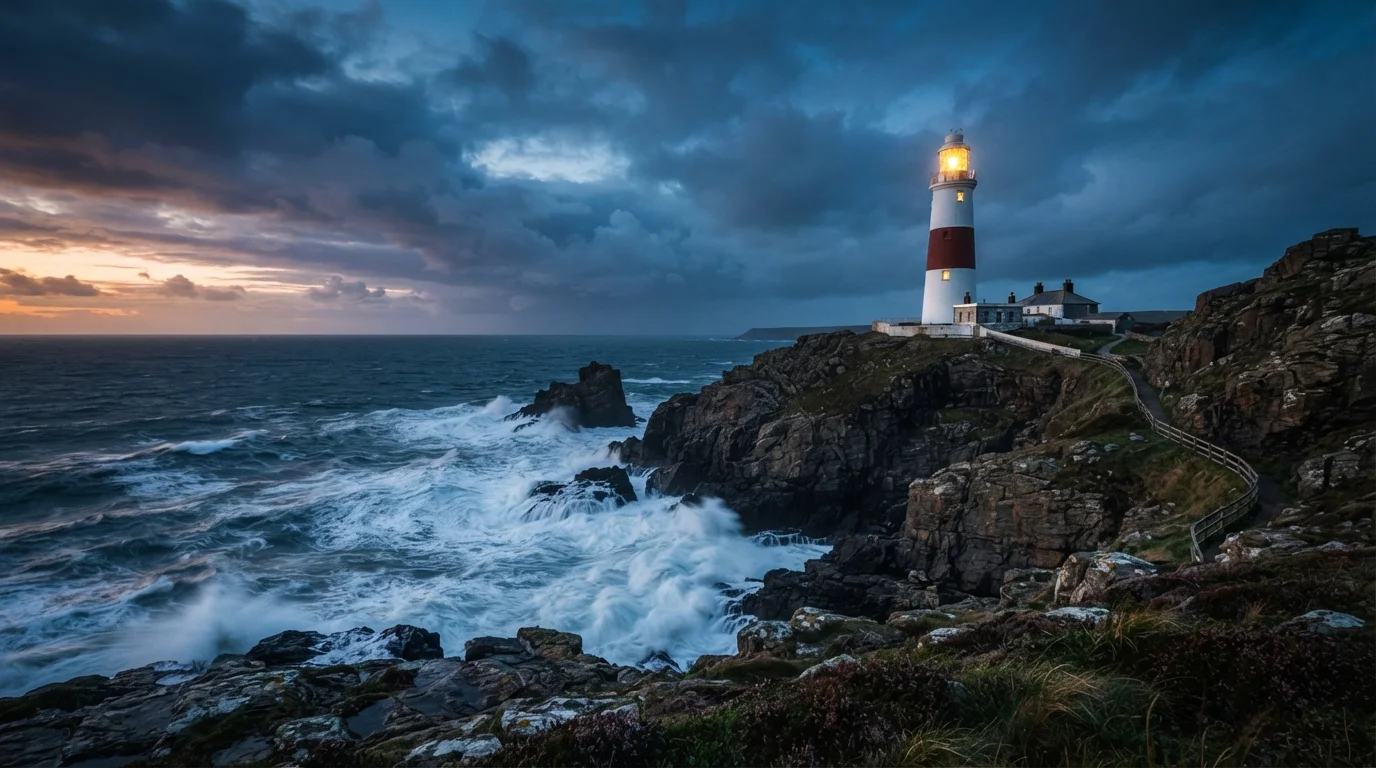
Photo credit: ExploreRoute.net | Travel Made Simple
In this article
From spiral staircases to sweeping sea views, discover what staying in a working or historic lighthouse really involves.
Key Takeaways
- Lighthouse stays are mostly in decommissioned structures; true working lighthouse rentals are rare.
- Spiral staircases, compact rooms, and limited amenities are standard — not exceptions.
- Remote locations mean weather, tides, and access roads are genuine planning factors.
- The appeal is experiential: maritime history, isolation, and views that no hotel room replicates.
- Many US lighthouse stays are managed by preservation nonprofits, not traditional hospitality operators.
What a Lighthouse Stay Actually Involves
Strip away the romanticized image and a lighthouse stay is, fundamentally, a self-catering accommodation in a historic industrial structure — one designed for navigation, not comfort. The keeper's quarters were built for function: small rooms, thick walls, and staircases that spiral tightly upward through the tower. That constraint is also the appeal. There is no hiding what the building is or was.
Most rentable lighthouses in the US are decommissioned, meaning the light itself is either automated or no longer active. Guests occupy the keeper's cottage, the tower, or both. The number of bedrooms ranges from one to four at the majority of properties. Shared kitchens, exposed stone or brick walls, and lantern rooms accessible by ladder or stair are common architectural features.
This is not a passive hotel experience. Guests typically manage their own meals, maintain the space, and navigate logistics — including getting there. Many lighthouse access roads are unpaved, and some properties are only reachable by boat. That logistical friction is worth anticipating, not underestimating.
Working vs. Decommissioned Lighthouses
A small number of lighthouse accommodations exist within structures where the light remains active and automated. In these cases, guests may notice automated lamp cycling at night and should expect the lantern room to be inaccessible. Most rentable lighthouses, however, are fully decommissioned, and the light — if present — is purely decorative or part of the historic fabric.
The Physical Reality: Staircases, Rooms, and Sound
The tower staircase is the defining architectural feature of any lighthouse stay — and the most practically significant one. Depending on the structure's height, guests may climb anywhere from 40 to over 100 steps, typically in a tight helix. Carrying luggage up those stairs is a genuine physical task. Anyone with mobility limitations should research specific staircase dimensions before booking; many operators provide this information directly.
Rooms in the keeper's cottage are generally modest in size. Original lighthouse keepers lived sparingly, and the spaces reflect that. Ceiling heights in the tower can shift dramatically as you ascend — wide and barrel-vaulted at the base, narrowing as you climb. If you expect a suite-style room, this is not that kind of stay.
Sound is the element most guests don't fully anticipate. Wind — particularly on exposed headlands — can be near-constant. Waves against the rocks beneath a cliff-mounted lighthouse generate a low, rolling presence throughout the night. Some visitors find this deeply restful; others do not. If you're curious about how coastal environments intersect with sleep quality more broadly, the growing field of sleep tourism has explored exactly this dynamic.
700+
Historic lighthouses remaining in the United States
The US Coast Guard and National Park Service collectively document over 700 historic lighthouse structures across the country, a portion of which have been adapted for visitor or overnight use.
~40%
US lighthouses now fully automated
The majority of active US lighthouses have been automated since the 1980s, removing the need for on-site keepers and freeing many historic structures for preservation and adaptive reuse as accommodations.
Who Lighthouse Stays Actually Suit
Lighthouse stays attract a specific kind of traveler — one who values context over convenience and is comfortable with a degree of self-sufficiency. The experience resonates with history enthusiasts, coastal hikers, couples seeking genuine seclusion, and writers or artists looking for an environment that won't let them forget where they are.
They are considerably less suited to travelers who need consistent connectivity, urban food options within walking distance, or the structured hospitality of a traditional hotel. For the latter, the appeal of a "unique stay" can quickly curdle when the reality involves a blocked road during a coastal storm or a kitchen stocked only with what you carried in.
Lighthouse stays share DNA with other distinctive accommodation categories — cave dwellings, treehouses, and floating cabins all similarly trade predictability for atmosphere. The field guide to unconventional stays explores how these categories compare and which traveler profiles each suits best. Unlike ice hotels — which are genuinely demanding in terms of cold tolerance and physical preparation (see what ice hotels demand of guests) — lighthouse stays are accessible to most healthy adults, provided the staircase question is addressed.
Match Your Expectations to the Property Type
Before booking, determine whether the stay is in the keeper's cottage, the tower itself, or a combination — and ask specifically about staircase access, bathroom facilities, and kitchen equipment. Properties managed by preservation nonprofits often have detailed FAQ pages; reading them thoroughly will spare you meaningful surprises on arrival.
Planning Considerations Before You Book
Seasonality matters significantly at lighthouse properties. Summer months offer calmer seas and easier access, but also peak demand and warmer tower temperatures — stone structures heat up and retain that heat. Off-season stays are atmospheric and often available at different rates, but coastal storms can make access difficult or road conditions unreliable. Verify cancellation policies carefully.
Many US lighthouse accommodations are managed by nonprofit preservation organizations or government bodies rather than commercial hospitality operators. Expectations around customer service, standardized amenities, and last-minute flexibility should be adjusted accordingly. These organizations prioritize stewardship of the structure; hospitality is secondary.
For context on how waterfront stays more generally require careful advance research, the article on what travelers overlook before booking lakeside lodging covers analogous planning blind spots — access, seasonal conditions, and the gap between expectation and reality.
If the maritime atmosphere is what draws you but a full lighthouse commitment feels uncertain, consider whether a coastal cruise might serve as a lower-stakes entry point. A day-by-day portrait of life at sea offers an honest look at what it means to spend sustained time on open water.
Travel conditions, property access, and availability at specific lighthouse accommodations change over time. Always verify current information directly with the managing organization before making reservations.
Frequently Asked Questions

Author
Where to Stay Editorial Team
Where to Stay Editorial Team is the collective byline for our editorial team and contributor network. Articles published under this byline or an editorial pen name are researched, written, and reviewed according to our editorial standards for clarity, consistency, and independence before publication.
View all articles →