
Treehouses, Cave Dwellings, and Floating Cabins: A Field Guide to Unconventional Stays
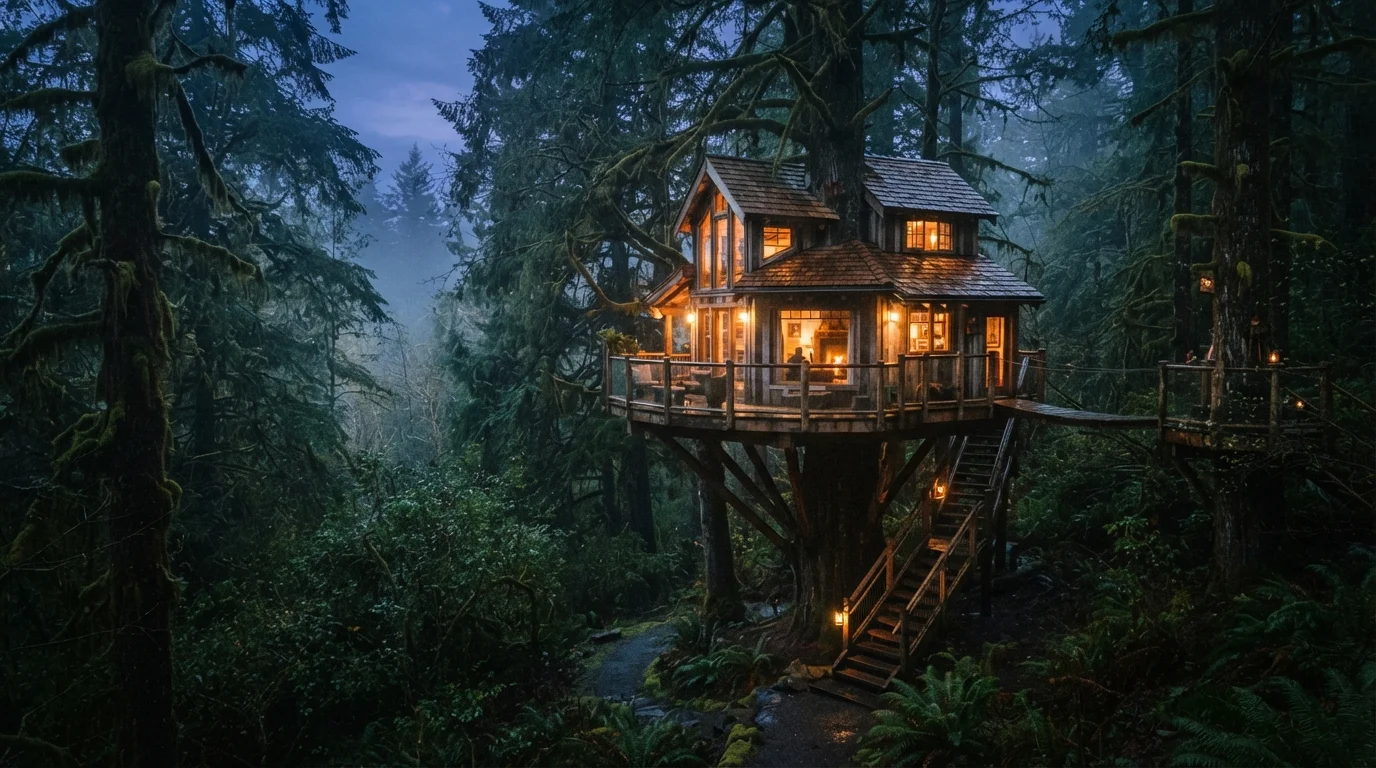
Photo credit: ExploreRoute.net | Travel Made Simple
In this article
A curated overview of the most distinct alternative lodging categories, what sets each apart, and who each type suits best.
Why Unconventional Lodging Deserves Its Own Field Guide
Frequent travelers who've cycled through enough hotel rooms know the creeping sameness — the branded shampoo, the climate-control panel, the view of another rooftop. Unconventional stays offer something structurally different: the accommodation itself becomes the experience. But "unique stay" has become a catch-all that obscures real distinctions between categories with very different comfort levels, logistics, and traveler fits.
This guide maps the primary categories of alternative lodging — not as a booking list, but as a reference for understanding what each type actually involves. Whether you're part of the complete unique stays landscape or narrowing in on a specific format, knowing the structural differences helps you choose the right type before you start searching.
| Primary appeal | The accommodation itself is the experience, not just a base for activities |
| Main categories covered | Treehouses, cave dwellings, floating cabins, glamping structures, micro/pod stays |
| Access consideration | Many unconventional stays involve stairs, ladders, or uneven terrain — verify before booking |
| Connectivity | Remote placement is common; signal and Wi-Fi availability varies significantly by property |
| Best traveler profile | Experienced travelers seeking immersive, setting-led experiences over standard amenities |
| Key booking distinction | Unconventional stays require more due diligence than standard hotel searches |
The Major Categories: What Each Type Actually Is
Treehouses
Treehouse accommodations range from rustic platforms with basic sleeping quarters to fully engineered structures with plumbing, climate control, and suspension bridges. The defining characteristic is elevation within a living tree or trees — which creates inherent variability in stability, accessibility, and sound. They suit travelers drawn to forest environments who are comfortable with stairs, ladders, or rope bridges and don't require ground-level access. Proximity to wildlife — insects, birds, nocturnal animals — is part of the appeal and occasionally the challenge.
Cave Dwellings
Subterranean stays divide into two distinct formats: naturally formed caves adapted for lodging (common in volcanic regions like Cappadocia, Turkey), and purpose-built structures carved into cliff faces or hillsides. Both offer natural thermal regulation — cool in summer, insulated in winter — but vary considerably in humidity, light levels, and claustrophobic potential. Travelers curious about the geological context will find value in pairing a cave stay with broader landscape exploration; our reference on cave systems vs. karst landscapes offers useful grounding.
Floating Cabins and Houseboats
Water-based lodging spans permanently moored houseboats, floating bungalows on freshwater lakes, and purpose-built structures on calm coastal inlets. The experience is defined by movement — even minimal water motion affects sleep for some travelers — and by isolation from shore infrastructure. For a detailed look at comfort variables and access tradeoffs, see our companion piece on overwater and floating accommodation tradeoffs.
Glamping Structures
Glamping — glamorous camping — encompasses safari tents, geodesic domes, yurts, and Airstream trailers positioned within natural settings but equipped with hotel-grade amenities. The category is intentionally hybrid: it removes the friction of traditional camping without removing the landscape immersion. The line between glamping and camping is more nuanced than it appears and worth understanding before booking.
Micro and Pod Stays
Compact formats — capsule hotels, sleeping pods, and prefab micro-cabins — prioritize efficiency and novelty over space. They suit solo travelers, transit stopovers, and minimalists. Our overview of capsule hotels and micro-rooms covers this format in detail.
Glamping
A hybrid lodging category combining the physical setting of camping with hotel-grade comforts such as proper beds, climate control, and private bathrooms. Structures typically include safari tents, yurts, and geodesic domes.
Floating cabin
A habitable structure built on a floating platform, typically moored on a lake, river, or sheltered coastal inlet. Distinct from a houseboat in that it usually lacks its own propulsion.
Troglodyte dwelling
A cave or rock-carved structure used as a habitation. In a lodging context, this refers to accommodations built into or out of natural rock formations, often offering passive thermal regulation.
Overwater bungalow
A standalone room or suite constructed on stilts directly above a body of water, most commonly a lagoon or calm ocean. Access is typically via a boardwalk from shore.
Micro-lodging
A broad category of compact accommodation formats — including capsule hotels, sleeping pods, and tiny cabins — that prioritize spatial efficiency and are typically priced accordingly.
Matching Stay Type to Traveler Profile
Unconventional stays aren't universally appealing — and that specificity is their strength. The traveler who finds a floating cabin deeply restorative may find a cave dwelling oppressively dark. A few practical frames help narrow the fit:
- Mobility and physical access: Treehouses and cliff-carved caves often involve significant stairs or uneven terrain. These may not be suitable for travelers with mobility limitations; always verify access details directly with the property.
- Sensitivity to sound and motion: Water-based stays involve ambient noise and occasional movement. Light sleepers should assess mooring conditions. Treehouses in wind-exposed forest can creak and sway noticeably.
- Connectivity expectations: Many unconventional properties are in remote or signal-poor locations. This is often the point — but worth confirming if work or medical connectivity is a requirement.
- Travel party composition: Floating cabins and geodesic domes often accommodate couples or small groups well; some treehouse configurations are poorly suited to families with young children due to safety concerns at height.
For travelers new to this category, the practical side of finding and booking unconventional stays involves verification steps that differ significantly from standard hotel searches. And if you're weighing whether these formats deliver on their promise, our piece on what makes a unique stay genuinely worthwhile addresses that directly.
Accessibility and Safety: Always Verify Directly
Unconventional properties are not always covered by the same regulatory frameworks as licensed hotels, and their physical layouts can present real challenges for travelers with mobility needs, fear of heights, or claustrophobia. Platform stability, emergency egress, fire safety, and medical access vary widely. Before booking any unconventional stay, contact the property directly to ask specific questions about access, safety equipment, and nearest emergency services. Do not rely solely on listing descriptions.

Author
Where to Stay Editorial Team
Where to Stay Editorial Team is the collective byline for our editorial team and contributor network. Articles published under this byline or an editorial pen name are researched, written, and reviewed according to our editorial standards for clarity, consistency, and independence before publication.
View all articles →